What Your Under-eye Dark Circles Are Really Telling You: Kidney health, Unresolved Trauma, and the Chinese Medicine Approach to Tired Eyes
Dr. Sinéad Corrigan, LAc, DACM is a Licensed Acupuncturist and Doctor of Chinese Medicine, and the founder of Inner Body Data™. She specializes in cosmetic acupuncture, natural beauty, reproductive health, sports medicine, preventative medicine and the intersection of somatic movement practices and total body wellness. She sees patients in Chapel Hill, NC , seasonally in Kauai, HI, and [soon] Miami, FL.
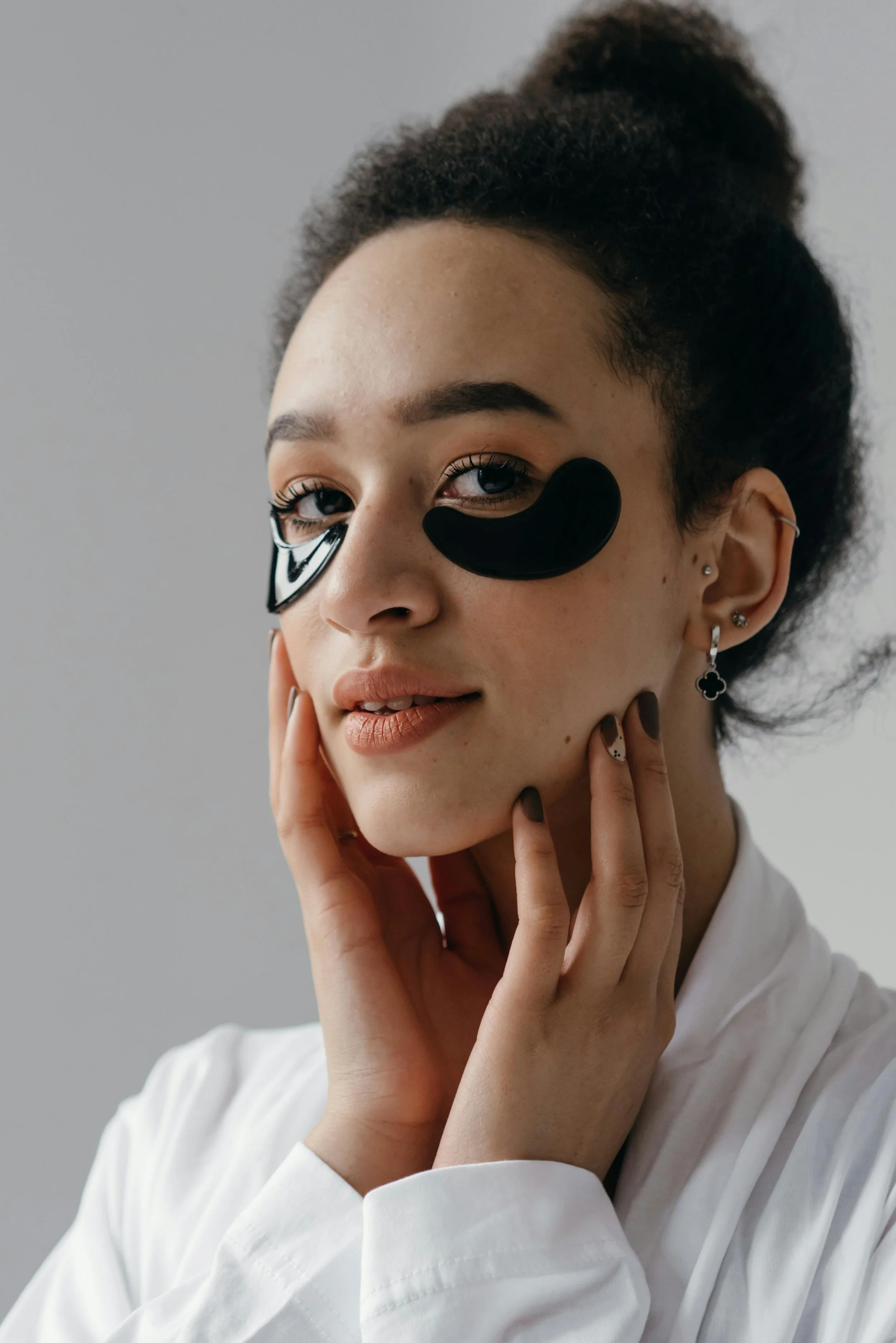
Dark circles are one of the most common concerns I hear about in my practice, and also one of the most consistently misunderstood. Most people reach for concealer, buy a new eye cream, or blame another bad night of sleep. And while sleep absolutely matters, dark circles that persist regardless of how much rest you get, or that seem to deepen over the years, are likely not just a sleep problem.
In Chinese Medicine, the area beneath the eyes is one of the most diagnostically rich regions of the entire face. It reflects the state of an organ system that Western medicine has no direct equivalent for — the "Kidney System" — and what shows up there tells a story that goes back years, sometimes decades, and even may connect to one’s ancestral trauma.
This post is a deep dive into all of it: the Western dermatology explanation, the TCM framework, the surprisingly well-researched link between unprocessed trauma and the kind of chronic low-grade inflammation that quietly depletes the "Kidney energy" over time and, what you can actually do about it all.
What Western Dermatology Says About Under-Eye Circles
Before we go into the Chinese Medicine lens, it's worth understanding what conventional dermatology has identified as the causes of periorbital hyperpigmentation and dark circles.
Research published in the Journal of Cosmetic Dermatology [1] identifies four primary structural mechanisms:
1. Vascular pooling. The skin beneath the eyes is the thinnest skin on the body, sometimes only half a millimeter thick. The tiny capillaries and blood vessels sitting just beneath the surface become visible, creating a blue-purple hue. Fatigue, dehydration, and poor circulation all worsen this, as does anything that increases venous pressure in that area (including chronic sinus congestion and allergies).
2. Periorbital hyperpigmentation. This is a melanin-based darkening that develops with age, sun exposure, and genetic predisposition, and is more pronounced in those with darker skin tones. It is associated with post-inflammatory hyperpigmentation from eczema, rubbing the eyes, and disrupted skin barrier function [2].
3. Structural shadowing. As we lose subcutaneous fat and collagen under the eyes with age, a hollowing occurs. The shadow cast by this depression reads visually as dark — even when the skin tone itself hasn't changed. This is a structural issue, not a pigmentary one, and it deepens over time as "Kidney Yang energy" declines (more on this shortly).
4. Nutritional and systemic causes. Iron deficiency anaemia, zinc deficiency, thyroid dysfunction, and chronic fatigue are all documented contributors to periorbital darkness [3]. These are not cosmetic issues, but rather metabolic ones.
What's important to note is that for many people, all four mechanisms are happening simultaneously, which is why a single eye cream is rarely a meaningful solution.
What Chinese Medicine Sees
Chinese Medicine looks at the same anatomy — the hollowing, the darknening, the puffiness — and reads something equally as systemic, though with a much different lens.
In TCM, every region of the face corresponds to an internal organ system. The area directly below the eyes reflects the state of the Kidneys. When Kidney energy is deficient, whether through depletion, overwork, chronic fear, or simple aging, it shows up here first.
The Kidneys in Chinese Medicine are not simply the organs that filter blood. (*Capitalized to denote the difference between the kidney organs and the "Kidney System".) They are considered the “root of all Yin and Yang” in the body. They house Jing (精), the foundational essence that governs our growth, reproduction, and aging process. Jing is often described as our constitutional battery: partly inherited from our parents at birth, partly replenished through food, rest, and right living. When Jing is abundant, the skin is luminous, the eyes are bright, the lower face is full and lifted. When Jing is depleted, the face hollows, the under-eye darkens, the hair becomes grey, and the lower back aches.
There are two primary Kidney deficiency patterns that produce dark circles, and they look slightly different on the face:
Kidney Yin Deficiency tends to produce a deeper darkness beneath the eyes, sometimes accompanied by dryness, fine lines in the under-eye area, a feeling of heat in the palms and soles at night, and difficulty staying asleep between 2–4am. The face often looks older than the person's years.
Kidney Yang Deficiency tends to produce a more puffiness-plus-darkness pattern often with a bluish-black tone accompanying fluid retention. These individuals often feel cold, especially in the lower body, have low energy in the morning, low libido, and retain water.
Many people present with a combination of both, particularly in midlife.
The Classical Chinese Medicine View: Kidney Energy Over a Lifetime
To understand why Kidney deficiency matters so much for longevity and appearance, we need to go back to the source.
The Huangdi Neijing (黃帝內經),the Yellow Emperor's Classic of Medicine, compiled between approximately 300–100 BCE, describes the natural arc of human vitality in terms of seven-year cycles for women and eight-year cycles for men [4]. This framework is one of the most elegant models of aging in any medical tradition, and it remains clinically relevant today.
For women, the Neijing describes it as follows:
> At age 7, the Kidney energy becomes exuberant, the teeth change, and the hair grows long.
> At 14, the Tiangui (天癸) — the heavenly water, understood as the hormonal essence that governs reproduction — arrives. Menstruation begins.
> At 21, the Kidney energy is balanced and full. Wisdom teeth emerge.
> At 28, the body is at its peak. Tendons and bones are strong, hair long and abundant.
> At 35, the Yangming (stomach and large intestine) channels begin to decline. The face begins to wither. Hair begins to fall.
> At 42, the three Yang channels all weaken. The face withers more noticeably, hair begins to turn.
> At 49, the Tiangui is exhausted. Menstruation ceases. The body can no longer conceive.
For men, the cycle is in eight year increments of decline: peak Kidney energy at 16 (Tiangui), full strength at 32, the first signs of decline at 40, and notable Kidney deficiency at 56.
What this framework illuminates is that dark circles, hollowing beneath the eyes, and a loss of facial luminosity are not aberrations; rather, they are natural consequences of Jing moving through this gradual and natural process of depletion. The question is not how to stop the process, but how to steward it wisely. The Neijing is explicit: those who live in alignment with the Tao, meaning sufficient sleep, regulated emotions, nourishing food, seasonal living, and the cultivation of inner stillness, preserve their Jing far longer than those who do not.
The classical text uses the phrase 腎藏精 — "the Kidney stores Essence" — and elsewhere, 肝腎同源 — "the Liver and Kidney share the same source." This is clinically important. The Liver in Chinese Medicine opens to the eyes; the Kidneys nourish the Liver. When Kidney Jing is depleted, the Liver Blood that feeds the eyes is also compromised, which is why Kidney deficiency and Liver Blood deficiency so often appear together in the under-eye area as simultaneous darkness and dryness. Overuse of the eyes themselves, whether through excessive working, scrolling, or sensory stimulation, is also said to deplete "Liver Blood", contributing to the quickening degeneration of the body. (Learn more about the way the "Liver System" impacts the complexion and can create a dullness in the face in this blog post)
The Lingshu (靈樞), the companion volume to the Suwen, describes the eight extraordinary channels (vessels that carry Jing throughout the body) and their relationship to the face. The Du Mai (督脈), Ren Mai (任脈), and Chong Mai (衝脈) are all rooted in the Kidneys and travel upward through the torso and face. When these vessels are depleted, which can happen for a variety of both physical and psychological reasons including overworking, poor quality sleep, unprocessed trauma, heavy menstruation, improper recovery from pregnancy, excessive ejaculation, and so on, the face loses its root of nourishment, and begins to show the consequences.
The Role of Unprocessed Trauma
This is once of the causes for persistent circles under the eyes that surprises patients, and where the research is more robust than most people expect.
Trauma is not simply a psychological experience. It is a physiological one. And when it goes unprocessed, i.e. when the body never fully completes its stress response, never receives the signal that the threat has passed, it remains embedded in the nervous system, the fascial tissue, and the hormonal axis in ways that cause measurable, ongoing biological harm.
The landmark ACE (Adverse Childhood Experiences) Study, published in the American Journal of Preventive Medicine in 1998 [5], followed over 17,000 adults and found a graded dose-response relationship between the number of childhood adversities experienced and nearly every major chronic disease in adulthood, including autoimmune conditions, cardiovascular disease, and accelerated cellular aging. The more adverse experiences, the more biological disruption, regardless of current circumstances.
Dr. Bessel van der Kolk's foundational work The Body Keeps the Score [6] synthesizes decades of trauma research to show that traumatic memory is stored not abstractly, but somatically in the body's postural patterns, autonomic responses, and chronic inflammatory states. The body remains in a state of low-grade vigilance long after the original threat is gone.
Biologically, unprocessed trauma keeps the HPA (hypothalamic-pituitary-adrenal) axis in a state of chronic dysregulation. A 2015 systematic review and meta-analysis published in Lancet Psychiatry [7] found that people with PTSD had significantly elevated levels of inflammatory markers including C-reactive protein (CRP), interleukin-6 (IL-6), and tumor necrosis factor-alpha (TNF-α), compared to non-traumatized controls. These are not subtle differences. They represent a body that is chronically inflamed, chronically on alert.
This matters for the skin directly. A widely-cited review in Inflammation & Allergy Drug Targets [8] describes what researchers now call the "brain-skin connection" — the bidirectional communication between the central nervous system and the skin via the HPA axis, the autonomic nervous system, and neuropeptide signaling. Chronic psychological stress accelerates skin aging, impairs wound healing, disrupts the epidermal barrier, and depletes the skin of the minerals and growth factors needed for repair. Elevated cortisol, in particular, directly suppresses collagen synthesis, breaks down existing collagen and elastin, impairs microcirculation, and depletes zinc, magnesium, vitamin C, and B vitamins, all of which are required for skin fullness, tone, and repair [9].
Epel et al.'s landmark 2004 study in the Proceedings of the National Academy of Sciences [10] found that chronic psychological stress, including caregiver stress and early life adversity, was associated with significantly shorter telomeres, a direct marker of cellular aging. The women with the highest stress burden had telomeres equivalent to those of women a decade older. This is the body aging faster at a cellular level.
The under-eye area is particularly vulnerable to all of this, because it is already the thinnest skin on the face, already dependent on microcirculation that stress directly impairs, and already closely tied to the organ system (the Kidneys/adrenals) that bears the brunt of chronic stress load.
The TCM View: How Trauma Depletes the Kidneys
In Chinese Medicine, fear is the emotion of the Kidneys. Acute fear — a sudden shock — is said to "scatter the Kidney Qi." Chronic, low-grade fear or anxiety is said to slowly consume the Kidney Jing. The relationship is not metaphorical; it is clinical. Patients who have lived with chronic anxiety, hyper-vigilance, or unresolved shock consistently present with Kidney deficiency patterns: dark circles, lower back weakness, night sweats, early morning waking, hair thinning, and a quality of underlying exhaustion that no amount of sleep seems to fully resolve.
This is because in TCM, the Kidneys govern the adrenal glands (which sit directly on top of the kidneys). Chronic activation of the stress response, the cortisol-adrenaline cascade, over months and years is a direct drain on what the Neijing would call Kidney Yang and, over time, Kidney Jing itself. This is not a distant metaphor. It is a direct parallel to what Western medicine describes as HPA axis dysregulation, adrenal fatigue, and the downstream depletion of DHEA, testosterone, and other steroid hormones that are manufactured from the same precursors as cortisol.
When the adrenals are chronically recruited for survival rather than available for restoration, the downstream effects are precisely what both Chinese and Western medicine describe: thinning skin, poor wound healing, mineral depletion, immune dysregulation, impaired fluid metabolism (leading to puffiness beneath the eyes), and a generalized loss of vitality that shows on the face long before it registers as disease.
Qigong and Lifestyle: How to Preserve Kidney Jing
The Huangdi Neijing is remarkably specific about preservation. The foundational instruction is this: live in alignment with the seasons, protect the Jing from unnecessary expenditure, and cultivate stillness as a form of replenishment. (But how to follow these tips while hustling to achieving massive success?! You may ask…stay tuned for a future blog post on this.)
In practical terms, this translates to the following (some of which are two thousand years old, and all of which have contemporary physiological support):
Sleep before midnight. The Neijing describes midnight as the turning point between Yin and Yang, the moment when the body shifts from expenditure to restoration. Chronic late-night activity is considered one of the most direct ways to deplete Kidney Yin over time. Modern research aligns: sleep between 10pm and 2am corresponds with the deepest phases of HGH (human growth hormone) secretion and cellular repair [11].
Protect the lower back and lower body from cold. The Kidney meridian originates at the sole of the foot (Kidney 1 — 涌泉, Yongquan, "Bubbling Spring") and runs up the inner leg and spine. Cold feet, sitting on cold surfaces, and exposing the lower back are all considered Kidney-depleting in classical texts. Warming the lower body with appropriate clothing, warm foot soaks, wearing slippers or socks on non-carpeted floor, and keeping the mingmen (命門, Gate of Life — the point between the kidneys at the lumbar spine) warm are foundational Kidney-preservation practices. This also includes avoiding excessive "cold foods" (both in temperature and in their effect on the physiology once consumed), such as smoothies, dairy products, and raw salads.
Kidney Qigong. The Ba Duan Jin (八段錦), or Eight Brocades, one of the most widely practiced Qigong forms in history, contains a specific movement, "Two Hands Hold the Feet to Strengthen the Kidneys and Waist", designed to stimulate Kidney Qi through the Du Mai and the Kidney Back-Shu points (膀胱經, Bladder 23). The Six Healing Sounds system includes the Kidney sound "Chui" (吹), practiced with a specific breath and visualization of blue-black water to cleanse and tonify (strengthen) Kidney energy. Research on Qigong practice has documented reductions in cortisol [12], improvements in autonomic balance, and improvements in perceived vitality and sleep quality, all of which correspond to Kidney restoration from a TCM perspective. (Try this Kidney Qigong Practice on my YouTube Channel)
Self-massage of the Kidney Shu points. Rubbing the lower back vigorously with the backs of the hands until warm, a practice described in classical texts and taught in virtually every Kidney Qigong sequence, stimulates the 腎俞 (Shenshu, Bladder 23) points directly, which are said to help regenerate the kidney organs themselves. This is one of the simplest and most accessible practices available, and it can be done in under two minutes each morning.
Nourish with black and dark foods. The Kidneys are associated with the Water element and the color black. Classical dietary medicine emphasizes black sesame seeds (黑芝麻), black beans, seaweed, dark leafy greens, walnuts (which physically resemble the brain, the "sea of marrow" also governed by the Kidneys), goji berries (which are said to nourish Kidney Yin and Liver Blood simultaneously), and bone broth (rich in minerals and collagen precursors that directly support the Jing).
Cultivate stillness and address the emotional root. This is perhaps the hardest and the most important. If the depletion has a trauma root, and for many people it does, no herb or Qigong practice will fully resolve it without also addressing what is held in the body. Somatic therapies, EMDR, breathwork, and trauma-informed movement practices all support the nervous system's ability to complete its stress response and come out of a state of chronic vigilance. In TCM terms, this is the work of calming the Shen (心神) and allowing the Kidneys to stop functioning as a 24-hour emergency generator. (For those located in North Carolina looking for one-on-one support, I see patients one day per week at the Flourish Center for Somatic Healing in Cary, NC. Book here for acupuncture, and check out their page for excellent somatic therapy care)
What Cosmetic Acupuncture Does for Kidney Deficiency
If you want to understand exactly what your under-eye area (and the rest of your face) is telling you about your internal landscape, Class 3 of the Glow From Within series is where we go deep.
In the next upcoming live class, we will unpack what most beauty treatments skip entirely: the face is a diagnostic map. Every region, every line, every area of discoloration or hollowing corresponds to an organ system; and when we treat from that understanding, the results go far beyond what topical products alone can achieve.
In this upcoming class, "The Natural Face Lift" (Class 3), we cover how cosmetic acupuncture works, not just to relax muscles or stimulate collagen, but to move stagnant Qi and Blood in the face and restore circulation to depleted areas, how to read facial patterns as a form of ongoing self-diagnosis, and how the under-eye area, the jawline, the forehead, and the cheeks each carry specific information about what is happening internally.
Beauty, in Chinese Medicine, is never separate from health. The Glow From Within natural beauty masterclass series is where that philosophy becomes a practical skill.
[Bring all your questions about cosmetic acupuncture and natural beauty. Drop in to Class 3 live here; recording available for 2 weeks after class. OR become a Founding Member of the Glow From within series and gain lifetime access to all 5 classes (price increases on June 15) → join the series]
Nourishing the Kidneys From the Inside Out — Food, Herbs & Supplements
If the undereye area is calling for attention, the most powerful long-term intervention is not topical. It is nutritional and herbal, which is exactly what we cover in Class 4 of Glow From Within: Food, Supplements, and Herbs for Glowing Skin and Kidney Health
Some of the Kidney-specific herbs and nutrients we will discuss in class:
He Shou Wu (何首烏) / Fo-Ti — one of the most celebrated Kidney Jing tonics in classical herbalism, traditionally used for hair, skin, and anti-ageing. Modern research has investigated its effects on telomerase activity and cellular longevity.
Shu Di Huang (熟地黃) / Prepared Rehmannia — the foundational Kidney Yin tonic in Chinese medicine. Used in the classical formula Liu Wei Di Huang Wan (六味地黃丸 — Six Flavor Rehmannia Pill), which remains one of the most prescribed herbal formulas globally for Kidney Yin deficiency.
Gou Qi Zi (枸杞子) / Goji Berries — nourish both Kidney Yin and Liver Blood, directly addressing the Kidney-Liver axis that governs eye health and under-eye appearance. Rich in zeaxanthin and betaine.
Nu Zhen Zi (女貞子) / Ligustrum — a cooling, restorative Kidney Yin tonic often paired with Han Lian Cao (旱蓮草 / Eclipta) in the classical formula Er Zhi Wan (二至丸), one of the simplest and most elegant Kidney Yin formulas in the classical canon.
On the Western nutrition side: zinc (essential for collagen synthesis, immune regulation, and wound healing — frequently depleted by chronic stress), iron (anaemia is a direct cause of periorbital darkness), magnesium (depleted by cortisol and essential for sleep and HPA axis regulation), collagen peptides with vitamin C (supporting the structural fullness of the undereye area), and omega-3 fatty acids (reducing systemic inflammation and supporting skin barrier integrity).
Class 4 goes into the research, the dosing, the food sources, and how to think about building a supplement and herbal medicine regimen that actually matches your constitution and unique symptom presentation, rather than following a generic protocol that may not suit your body.
[I’ll be providing discounted supplement links to all participants; Join Class 4 here → link]
The Bigger Picture
Dark circles are, in one sense, a small cosmetic concern. In another sense, they are a window into how you have been living...how much you have rested, how much you have pushed, what you have carried without support, and where the body has quietly been spending reserves it cannot afford to keep spending.
The beautiful thing about Chinese Medicine is that it offers not just a diagnosis, but a direction. Kidney deficiency is not a verdict. It is an invitation: to sleep earlier, to eat more "Kidny-nourishing" foods, to practice Qigong or other mind-body awareness practices, to bring warmth to the lower half of the body, and to address what the nervous system is still holding. The face will respond, not overnight, but over time, in the way that all genuine restoration works: slowly, from the root.
In Chinese Medicine, the under-eyes are the window to understanding the speed at which you are depleting your "root", the Kidneys, and through this understanding, the Kidney health reveals the whole arc of how you have lived, and how you choose to live now.
About the Author
Dr. Sinéad Corrigan is a Doctor of Acupuncture and Chinese Medicine, Licensed Acupuncturist, Board Certified Herbalist, and somatic movement instructor based in Chapel Hill, NC, Kauaʻi, HI, and [soon] Miami, FL. She offers in-person appointments as well as telemedicine, and has an On Demand Qigong + Yoga platform and YouTube channel for those who want guided embodiment practices rooted in Chinese medicine at home.
Connect with Dr. Sinéad ~ Empower yourself with Inner Body Data™
Explore theOn Demand Membership
[1] Freitag FM, Cestari TF. "What causes dark circles under the eyes?" Journal of Cosmetic Dermatology. 2007;6(3):211-215. https://doi.org/10.1111/j.1473-2165.2007.00324.x
[2] Ranu H, Thng S, Goh BK, Burger A, Goh CL. "Periorbital hyperpigmentation — overview of etiopathogenesis and current management options." Journal of Cutaneous and Aesthetic Surgery. 2011;4(3):149-160. https://doi.org/10.4103/0974-2077.91251
[3] Sarkar R, Ranjan R, Garg S, Garg VK, Sonthalia S, Bansal S. "Periorbital hyperpigmentation: a comprehensive review." The Journal of Clinical and Aesthetic Dermatology. 2016;9(1):49-55. https://www.ncbi.nlm.nih.gov/pmc/articles/PMC4756872/
[4] Unschuld PU (translator). Huangdi Neijing Suwen: Nature, Knowledge, Imagery in an Ancient Chinese Medical Text. University of California Press, 2003. Chapter 1 (上古天真論).
[5] Felitti VJ, Anda RF, Nordenberg D, et al. "Relationship of childhood abuse and household dysfunction to many of the leading causes of death in adults: the Adverse Childhood Experiences (ACE) Study." American Journal of Preventive Medicine. 1998;14(4):245-258. https://doi.org/10.1016/S0749-3797(98)00017-8
[6] van der Kolk BA. The Body Keeps the Score: Brain, Mind, and Body in the Healing of Trauma. Viking, 2014.
[7] Passos IC, Vasconcelos-Moreno MP, Costa LG, et al. "Inflammatory markers in post-traumatic stress disorder: a systematic review, meta-analysis, and meta-regression." Lancet Psychiatry. 2015;2(11):1002-1012. https://doi.org/10.1016/S2215-0366(15)00309-0
[8] Chen Y, Lyga J. "Brain-skin connection: stress, inflammation and skin aging." Inflammation & Allergy Drug Targets. 2014;13(3):177-190. https://doi.org/10.2174/1871528113666140522104422
[9] Ganceviciene R, Liakou AI, Theodoridis A, Makrantonaki E, Zouboulis CC. "Skin anti-aging strategies." Dermato-Endocrinology. 2012;4(3):308-319. https://doi.org/10.4161/derm.22804
[10] Epel ES, Blackburn EH, Lin J, et al. "Accelerated telomere shortening in response to life stress." Proceedings of the National Academy of Sciences. 2004;101(49):17312-17315. https://doi.org/10.1073/pnas.0407162101
[11] Van Cauter E, Leproult R, Plat L. "Age-related changes in slow wave sleep and REM sleep and relationship with growth hormone and cortisol levels in healthy men." JAMA. 2000;284(7):861-868. https://doi.org/10.1001/jama.284.7.861
[12] Jahnke R, Larkey L, Rogers C, Etnier J, Lin F. "A comprehensive review of health benefits of qigong and tai chi." American Journal of Health Promotion. 2010;24(6):e1-e25. https://doi.org/10.4278/ajhp.081013-LIT-248
Fear of Aging: Why Your "Ideal Body" is Achieved and Aging Slows Down When You Stop Identifying With the Body
Dr. Sinéad Corrigan, LAc, DACM is a Licensed Acupuncturist and Doctor of Chinese Medicine, and the founder of Inner Body Data™. She specializes in cosmetic acupuncture, natural beauty, reproductive health, sports medicine, preventative medicine and the intersection of somatic movement practices and total body wellness. She sees patients in Chapel Hill, NC , seasonally in Kauai, HI, and [soon] Miami, FL.
An interviewer once asked (The Artist Formerly Known As) Prince something like, "How do you still look so young?"
His answer, paraphrased: "Oh, well, I stopped paying attention to time, so time stopped paying attention to me."
While we can't forget that the pop idol met an untimely demise due to the use of painkillers (a consequence of many years of jumping off platforms in high heels), he had a beautiful point.
Youth, in appearance, energy, and spirit, is not something we can merely calculate and biohack our way into.
Certainly the Bryan Johnsons of the world may disagree. But think about the most "youthful" person you know. Perhaps they don't even necessarily look young. But their energy? Timeless, unbound, and infectious.
As a cosmetic acupuncturist and board-certified Doctor of Chinese Medicine, I regularly work with people who want to both look younger and feel younger — healthier, more alive, more themselves. I meet people at the intersection of self-esteem, holistic healthcare, sustainability, and the worldview-and-values-reconfiguration work necessary to build a life where all three can actually coexist.
One of the most paradoxical things about my clinical approach is that, while I am employing mechanistic techniques to achieve a "youthful look" (such as motor-point needling in the muscles of the face to improve circulation and prevent wrinkles), I am simultaneously reminding every single person who walks through my door: "You are not your body."
"I am not my body" — What does this mean?
Many traditions of Eastern philosophy describe the body as “an experience within awareness”. We will explore this topic further, but first, an aside on “awareness” and “consciousness”.
Consciousness as Cosmology: The Taoist & Tantric Roots
According to Taoism, the underlying cosmology of the "elixir of youth" Qigong practices I both teach and prescribe, the body is a vessel for the development of consciousness. This is not a metaphor. It is the organizing principle of an entire ancient medical system.
The Taoist philosopher Lao Tzu wrote in the Tao Te Ching (Chapter 33): "知人者智,自知者明" — "Knowing others is wisdom. Knowing oneself is enlightenment." The entire edifice of qigong practice is built on this premise: that the deepest medicine is not applied from the outside in, but cultivated from the inside out.
This aligns with the foundational teaching of Kashmir Shaivism, a classical Hindu Tantric philosophical tradition, that consciousness or mind (Chit, or Cit) is not an emergent property of matter, but the primary reality from which all form arises. The 10th-century polymath Abhinavagupta, widely regarded as one of the greatest philosophers of consciousness in human history, described this as Prakāśa-Vimarśa: the universe as the self-luminous recognition of its own awareness. In his tradition, the body is not a limitation of consciousness; it is a crystallization of it, and therefore a doorway back into it.
The Buddhist tradition echoes this through the Heart Sutra's most famous teaching: "Form is emptiness, emptiness is form" (色即是空,空即是色). The body is not dismissed; it is recognized as non-separate from the formless awareness that perceives it. Presence, in this view, is not passive. It is a radical act of non-separation from what is.
"You Are Not Your Body" — And Yet Your Body Is Trying to Tell You Something
Consciousness is far too vast a topic for this blog post. But for the purposes of what follows, consider it simply as the capacity to be aware — to notice, to perceive, to feel from the inside.
How often have you (or a patient) followed a perfect health routine aligned with every latest research finding, timed to the hour, only to find yourself, months, days, or weeks later, back at square one?
Falling out of your "ideal protocol" or your "ageless skincare ritual" is not weakness, nor failure. Chinese Medicine and Qigong philosophy would say it happens because you are operating from what the tradition calls your inherited "Kidney energy," or ancestral Jing.
Jing (精) is a term from classical Chinese Medicine referring to the deepest constitutional essence of a person — the "root" of one's health and vitality. As we age, Jing is slowly depleted. Qigong and TCM aim to slow that depletion, and in some cases, replenish it. The Kidney system in TCM is said to store Jing (腎藏精, shèn cáng jīng), and chronic stress, poor sleep, overwork, and disconnection from the body are among its greatest depleting forces.
When survival instinct alone is in the driver's seat — the biological hunger cues, the hormonal urges, the reflexive reach for the familiar — we are running on habit alone. There is nothing wrong with following biological impulses. Pleasure and desire are a vital part of following one's Shen Ming (神命), or "Spirit Destiny” (a concept from Taoist philosophy I'll explore in a future post).
Where following survival impulses goes sideways is when we believe that the external result — the perfect body, the ideal partner, the smooth forehead, the cellulite-free thighs — contains the joy, fulfillment, happiness, and peace we are seeking.
Real youth, contentment, and limitless energy have only one source: presence.
The Neuroscience of Non-Identification: Dr. Shamil Chandaria
Modern neuroscience is arriving, from a very different direction, at the same conclusion.
Dr. Shamil Chandaria, PhD, Senior Research Fellow at the Centre for Eudaimonia and Human Flourishing at the University of Oxford, and Research Fellow at the Institute of Philosophy at the University of London, has spent decades bridging computational neuroscience with the contemplative traditions of Buddhism, Vedanta, and Kashmiri Shaivism. His work centers on what is known as the Bayesian Brain or predictive processing model of consciousness: the understanding that the brain does not passively receive reality, but actively constructs it based on prior expectations and learned predictions (Chandaria, Computational Neuroscience and Human Flourishing, The Trip Report).
What meditation (and by extension, qigong) does, according to Chandaria, is begin to loosen the brain's grip on its habitual top-down predictions. The stories we tell about ourselves. The anticipatory anxiety. The compulsive mental commentary. The chronic vigilance. These are not reality; they are the brain's model of reality. And they come at a biological cost.
As Chandaria describes it, practices like meditation and qigong systematically reshape the brain's predictive processes, reducing the energy devoted to threat-maintenance and opening space for genuine flourishing (Psychedelic Society, "The Science of Awakening"). In the Kashmiri Shaiva tradition he draws on, this is described as Spanda: the pulsation or throbbing aliveness that is the natural state of consciousness when it is no longer contracted by fear or grasping to the familiar.
In other words, what ancient practitioners called "releasing identification with the body" is, in modern neuroscientific terms, reducing the brain's chronic prediction of threat. And when that threat prediction relaxes, the body can finally repair.
Why Presence is Power: TCM's Theory of Qi, Blood, and Consciousness
According to TCM theory, "Qi is the commander of Blood" (氣為血之帥, qì wéi xuè zhī shuài). Qi — which can be understood as life-force or bioelectrical vitality — infuses whatever we direct our attention toward. The classical maxim: "Where the Mind goes, Qi goes" (意到氣到, yì dào qì dào). And: "When Qi moves, Blood moves" (氣行則血行, qì xíng zé xuè xíng).
This creates a direct chain of causality: Consciousness → Qi → Blood → Cellular nourishment.
When aware attention is brought to the felt sense of, say, the heart (try it now, if you'd like) Qi arrives there, and Blood follows. With blood comes oxygen, nutrients, hormones, and the biochemical signaling molecules that tell cells to regenerate and repair.
What is tension, in this framework? A blockage of life-force. When Qi stagnation occurs as a result of chronic stress, emotional suppression, or disconnection from the body, blood flow to the affected tissues decreases. The cells receive less of what they need. Repair slows. Aging accelerates.
The TCM canon also holds that "the Heart governs the Shen" (心主神明, xīn zhǔ shén míng) — the spirit, the consciousness, the integrating awareness that animates the entire organism. A Heart whose Shen is unsettled, scattered by anxiety, fragmented by overload, or disconnected by the relentless demand to look a certain way — is a Heart that cannot lead the body into repair.
"Form and Spirit are one" (形神合一, xíng shén hé yī). The separation of the two, treating the body as a machine to be optimized while the “spirit” remains unaddressed, is the root of dis-ease, according to TCM.
What the Research Actually Shows
Ancient wisdom cannot be reduced to a collection of citations; TCM is an empirical science based on thousands of years of observation of body, Nature, and their relationship. However, the small portion of research I will share here echos what older cultures have known for millennia.
Qigong and Telomeres: The Clock at the End of Your DNA
Telomeres are the protective caps at the end of chromosomes, often described as the "biological clock" of the cell. As they shorten with age and stress, cellular function declines. Telomerase is the enzyme that rebuilds them.
In a randomized controlled trial published in the Annals of Behavioral Medicine, qigong practice was shown to raise telomerase activity in individuals with chronic fatigue, raising the possibility of telomerase as an important biomarker for mind-body interventions (Oxford Academic, Randomized Controlled Trial of Qigong Exercise on Telomerase Activity, 2012).
A separate study on qigong's effect on telomere length found that “transmitting Qi” from qigong masters, Qi-invigorating herbs, and from physical fields that mimic Qi, all produced measurable telomere lengthening in both cell cultures and mice, suggesting a shared mechanism for Qi's effect on retarding cellular aging (Biomedical Research, Preliminary Study of the Effects from Different Sources of Qi on Telomeres).
A randomized, wait-list controlled trial of a qigong intervention in women under chronic stress found significant improvements in telomerase activity and reductions in psychological stress, suggesting qigong's anti-aging effects may operate partly through the telomere maintenance system (Academia.edu, Effect of a Qigong Intervention Program on Telomerase Activity and Psychological Stress).
Qigong and Cortisol: Calming the HPA Axis
The HPA (hypothalamic-pituitary-adrenal) axis is the body's central stress-response system and its primary output, cortisol, is one of the most well-documented drivers of accelerated aging. As I explored in depth in How Your Nervous System Shows on Your Face, chronically elevated cortisol destroys collagen, suppresses skin repair, and closes the body's overnight regeneration window.
A pilot randomized controlled trial of medical qigong found a significant reduction in plasma cortisol in the qigong group — from 11.8 μg/dL to 8.8 μg/dL — while the control group showed no change (Gavin Publishers, Effects of Medical Qigong on Plasma Cortisol in Healthy Adults).
A study in healthy older adults found that qigong training reduced both basal cortisol levels and cortisol reactivity to mental stress, specifically blunting the cortisol spike in response to cognitive challenges. The researchers described this as evidence of "better adaptation to stress" that may favor "successful aging and positive health outcomes" (Academia.edu, Qi-Gong Training Reduces Basal and Stress-Elicited Cortisol Secretion in Healthy Older Adults).
A systematic review of randomized controlled trials confirmed that qigong has significant effects on stress reduction compared to no-intervention controls, stretching, and even cognitive-behavioral therapy (MDPI Healthcare, Qigong Therapy for Stress Management: A Systematic Review, 2024).
The "Deep Rest" Model: UCSF Research on Why Mind-Body Practices Work
One elegant scientific framework for understanding all of this comes from UCSF researchers Dr. Alexandra Crosswell and Dr. Elissa Epel, whose 2024 paper in Psychological Review introduced the "Deep Rest" model of contemplative practice.
Their core argument: mind-body practices work by signaling safety to the nervous system, which shifts the body's cellular energy allocation from threat maintenance to repair and restoration. When the threat response is chronically activated, as it is for most people living modern lives, the cells are burning energy maintaining vigilance. That energy cannot simultaneously be used for regeneration.
When practices like qigong, meditation, or yoga are performed with enough regularity and depth to actually down-regulate the threat response, the body enters a state of "deep rest" that is distinct from ordinary relaxation. And in that state, cellular rejuvenation processes activate, including telomere maintenance, immune regulation, and mitochondrial repair (PMC, Deep Rest: An Integrative Model of How Contemplative Practices Combat Stress and Enhance the Body's Restorative Capacity, 2024).
This is exactly what TCM has been describing for two thousand years. The Qi must flow. The Shen (“spirit”) must be settled. The body's healing intelligence, its innate capacity for self-renewal. cannot operate in a field of chronic fear.
Making It Practical
Will one day of "placing consciousness inside your body" measurably slow your aging? At the cellular level — imperceptibly, yes. Experientially — maybe not immediately. You may feel more relaxed, or you may realize, for the first time, how tense you actually are, which may actually feel like a rude awakening rather than an experience of relief. Either way, this is not a one-and-done protocol.
As the Taoist tradition reminds us through Wu Wei (無為) — effortless, non-striving action — the most powerful transformations are not forced. They are allowed, through consistent, humble, and dedicate practice over time.
To put it another way: will one day in the gym give you strong muscles? Of course not.
But what happens when you practice qigong daily for months? What happens when you come for cosmetic acupuncture for many weeks in a row, experiencing repeated blood flow to the structures in the face that are holding your emotional and physiological tension? What happens when the brain's “prediction of threat” begins to relax over time?
This is what some people call magic. It's not magic. It is the miracle of your body's intelligence. Ancient and modern wisdom give us a framework to meet that intelligence with presence, rather than force.
The Bottom Line
Can you feel blissfully alive and look older than your years? Absolutely.
Can you look stunning and feel anxious, depleted, and disconnected from yourself? Most certainly. I was more ungrateful and disconnected from aliveness at the glowing age of sixteen than I am now at thirty-six.
The fear of aging is, at its root, a fear of impermanence — what Buddhism calls anicca. And the antidote, across every wisdom tradition that has seriously engaged with this question, is the same: presence. Not the presence that tries to freeze time, but the presence that relaxes into it so completely that the body's own intelligence has room to work.
When you stop trying to make your body look or perform in a specific way to be "correct," something remarkable happens: you can actually feel your body. And the body, as TCM philosophy asserts, is not just flesh and bone. It is a complex web of dynamic forces, inextricably enmeshed with the fabric of Nature itself. Listening to the body via “placing conscious awareness inside it”, is an act of re-harmonization with Nature. And the most fundamental teaching of Chinese Medicine is that health and happiness are the natural result of this harmony. Circadian rhythm disruption is one of the largest areas of research when it comes to preventing illness that results from aging for a reason (read my blog post on the TCM Body Clock to learn more) — our bodies evolved within the framework of the lights, sounds, smells, tastes, and temperature changes of our environment. To neglect both the inner and outer listening necessary for harmony is also to neglect the capacity for our body to not just survive, but thrive.
So, if you are afraid of aging: start placing your mind inside your body. Over time, your consciousness will bring the Qi flow, the blood flow, and the self-healing intelligence to every cell. The body wants to repair itself and thrive for as long as possible. We simply have to create the conditions — the deep rest, the presence, the safety — for it to do so.
Not Sure Where to Start?
My Qigong On Demand Membership has everything you need to establish a daily "inner body listening" practice — from foundational qigong sequences to targeted practices for emotional processing and nervous system regulation.
Join Glow From Within — a 5-week natural beauty masterclass series, where we go deep on the TCM principles, at-home practices, and embodied consciousness-based approaches to natural beauty and healthy aging.
Looking for one-on-one support?
Sign up for an initial consultation to become an acupuncture patient: currently accepting patients in Chapel Hill, North Carolina, Kaua'i, Hawaii, and (soon!) Miami, Florida.
Sign up for a private qigong lesson (online + seasonally in-person)
Join the waitlist for my group-coaching Telemedicine practice, rooted in Traditional Chinese Medicine, Qigong, Yogic, Buddhist, and Hindu Tantric philosophies, and modern scientific research — to optimize the health of your body, mind, and spirit. [Email info@innerbodydata.com with the subject line WAITLIST to be notified of the next cohort opening. No spam emails, just program notifications].
Research & Sources
Preliminary Study of the Effects from Different Sources of Qi on Telomeres — Biomedical Research
Effects of Medical Qigong on Plasma Cortisol in Healthy Adults — Gavin Publishers
UCSF: Why Do Mind-Body Practices Work? The "Deep Rest" Model — AME Center, UCSF
Shamil Chandaria: Computational Neuroscience and Human Flourishing — The Trip Report
Shamil Chandaria: Awakening, Neuroscience & Flourishing — With Reality in Mind