Treating Pain with Chinese Medicine for Lasting Relief
Doctor of Acupuncture & Chinese Medicine | Chapel Hill, NC · South Beach, Miami, FL · Kauaʻi, HI
Dr. Sinéad Corrigan, LAc, DACM is a Licensed Acupuncturist and Doctor of Chinese Medicine and the founder of Inner Body Data™ ~ Self-Empowered Healthcare. She specializes in cosmetic acupuncture, natural beauty, reproductive health, sports medicine, preventative medicine and the intersection of somatic movement practices, consciousness, and total body wellness. She sees patients in Miami, FL, Chapel Hill, NC, and seasonally in Kauai, HI.
Pain is the body's most urgent vocabulary.
In Chinese Medicine, there is a saying: "Where there is stagnation, there is pain. Where there is no stagnation, there is no pain."
Pain is a message — the body's way of saying that something in the flow of energy, blood, or structure has been interrupted. The question isn't just how do we quiet the signal, but what is the signal trying to tell us?
This is where Chinese Medicine and conventional Western pain management part ways so fundamentally.
A painkiller, an anti-inflammatory, even a cortisone injection — these are interventions that address the experience of pain. They do this well, and there is a time and a place for all of them. But they do not explain why the pain is there in the first place, why it keeps coming back, or what it says about the state of your body's internal environment. And so, reliably, the pain returns. Sometimes in the same place. Sometimes, interestingly, somewhere new.
Chinese Medicine asks a different question: where is the flow blocked, and why?
In over two thousand years of clinical refinement, Chinese physicians developed a framework for categorizing pain that has proven itself not only in clinical practice, but, increasingly, under the scrutiny of modern research as well. In this post, I want to walk you through that framework, the tools we use to address it, and the self-care practices you can begin implementing today.
How Chinese Medicine Understands Pain: The Root Framework
Let's come back to that classical phrase: "Where there is free flow, there is no pain. Where there is no free flow, there is pain."
This single principle organizes everything in Chinese Medicine's approach to pain. The question is always: what is obstructing the flow (of vitality, "qi")? And the answer falls into a handful of fundamental categories.
Qi Stagnation — when the life force becomes stuck, often due to stress, emotional tension, sedentary lifestyle, or unprocessed emotion. Qi Stagnation pain tends to change locations, to feel better with movement, to worsen with stress, and to appear and disappear unpredictably.
Blood Stagnation — when blood circulation is impeded, creating fixed, stabbing, or boring pain that worsens with pressure and at night. This is often the Chinese Medicine diagnosis underlying what Western medicine might call things like fibromyalgia, endometriosis, chronic tendinopathy, and post-injury pain.
Bi Syndrome (Painful Obstruction) — when the external pathogenic factors of Wind, Cold, and/or Dampness invade the channels and joints. This is the classical TCM diagnosis most aligned with what Western medicine calls arthritis, rheumatic pain, and musculoskeletal pain. Wind-predominant pain moves around the body; "Cold-predominant" pain is severe, fixed, and relieved by warmth; "Damp-predominant" pain is heavy, aching, and worsened by wet weather.
Damp-Heat — a more inflammatory picture: hot, swollen, red joints with a sense of heaviness. This maps well onto acute inflammatory arthritis, gout, and certain presentations of autoimmune joint disease.
Deficiency pain — when there is not enough Blood, Yin, or Qi to nourish the tissues, pain arises from undernourishment rather than obstruction. This tends to be a dull, chronic ache that improves with rest, worsens with overexertion, and is often accompanied by fatigue, dryness, and other signs of depletion. Liver Blood Deficiency and its effect on the tendons — which I covered in depth in my blog post on perimenopause and joint pain— is a clear example of this category.
One person's "back pain" may fall into several of these categories simultaneously, which is why two patients presenting with the same Western diagnosis may receive entirely different acupuncture treatments and herbal prescriptions.
Acupuncture for Pain: The Mechanisms
Acupuncture is, without question, the most researched complementary therapy for pain relief. There are over 111 systematic reviews examining acupuncture's effects on musculoskeletal pain alone (PMC, 2025), and the evidence base continues to grow. Here is what modern research has confirmed about how it works:
Endogenous opioid release. Acupuncture stimulates the release of the body's own natural pain-modulating chemicals: beta-endorphins, enkephalins, and endomorphins. These bind to the same receptors as pharmaceutical opioids, but without the dependency or side effects. This mechanism has been confirmed in multiple controlled trials and is one reason why acupuncture's pain relief can outlast the treatment session itself.
Adenosine signaling. Research has demonstrated that acupuncture needling triggers a local release of adenosine, a powerful naturally-occurring anti-nociceptive (pain-reducing) compound, at the needle site. This local effect creates an analgesic zone that spreads through the tissue and into the surrounding channels.
Central nervous system modulation. Neuroimaging studies using fMRI and PET scanning have shown that acupuncture activates and deactivates specific regions of the brain involved in pain processing, including the anterior cingulate cortex, the insula, and the default mode network. A 2025 systematic review found that acupuncture produces measurable central nervous system changes in chronic low back pain patients distinct from placebo (PMC, 2025). In short: acupuncture does not just feel like it works. The brain, under imaging, responds differently.
Spinal gating. Acupuncture activates large-diameter nerve fibers (Aβ fibers) that, in the spinal cord's dorsal horn, close the "gate" on pain signals traveling from the periphery. This is the same mechanism underlying TENS therapy, but needles achieve it with far greater precision and at deeper tissue depths.
Local tissue effects. At the site of needling, acupuncture increases local blood circulation, reduces the concentration of inflammatory cytokines, and stimulates fibroblast activity (the cells responsible for rebuilding connective tissue). This is particularly relevant for tendon and ligament injuries, where improving local circulation is foundational to healing.
Acupuncture Styles for Pain
Not all acupuncture looks the same. Over centuries of development, multiple specialized schools have emerged with specific approaches to pain management. Here is how I use them in practice:
Master Tung's Acupuncture
One of the most powerful distal needling systems in existence, Master Tung's tradition uses a specific set of family-lineage points, many of them on the hands, feet, and forearms, to achieve rapid pain relief in distant areas of the body. The principle relies on the body's imaging and holographic organization: for example, treating the hand can create change in the shoulder; treating the foot can resolve pain in the lower back. Tung's points are often described as producing faster and more dramatic results than classical TCM points for pain conditions. They are ideal for acute injury, chronic stubborn pain, and situations where needling the painful area directly is not possible or advisable.
Dr. Tan's Balance Method
Developed by the late Dr. Richard Tan, the Balance Method uses the six classical channel pairing systems and the body's mirroring relationships to select distal points that immediately "balance" the affected channel. Patients often report measurable pain reduction within seconds of needle insertion before they leave the treatment table. It is particularly effective for musculoskeletal pain, joint pain, and headaches, and it allows the practitioner to confirm efficacy in real time during the session by asking the patient to assess their pain.
Scalp Acupuncture
A modern system developed from the convergence of TCM and neuroanatomy, scalp acupuncture targets zones on the scalp that correspond to cortical regions of the brain. It is especially effective for neurological pain (including neuropathy, post-stroke pain, phantom limb pain, and trigeminal neuralgia) and for conditions involving the central nervous system's contribution to chronic pain sensitization.
Abdominal Acupuncture
Developed by Dr. Zhiyun Bo, abdominal acupuncture uses a specific mapping system on the abdomen that reflects the entire body. It is particularly gentle. Needles are inserted very superficially making it appropriate for elderly patients, those with needling sensitivity, or conditions where deeper stimulation is contraindicated. It is highly effective for chronic musculoskeletal pain, degenerative conditions, and pain rooted in deep constitutional deficiency. It is also often clinically used in the treatment of stroke and paralysis.
Electroacupuncture
The application of a small electrical current between paired needles dramatically amplifies the endorphin-releasing and nerve-modulating effects of classical acupuncture. It is particularly useful for chronic pain, nerve pain, and musculoskeletal conditions requiring stronger stimulation.
On "Dry Needling" — and Why Acupuncture Does It Better
Dry needling has become widely practiced by physical therapists and some other manual therapists as a tool for releasing myofascial trigger points. I have written about this at length in a previous blog post on dry needling, but the short version is this: dry needling uses the same needles as acupuncture, targeting the same points (trigger points correspond closely to classical acupuncture points), but without the training, theoretical framework, or diagnostic nuance that guides an acupuncturist's work. Acupuncture achieves the same myofascial release, and more with a less aggressive technique, a more mindful approach to the root cause of why those trigger points are forming, and within a treatment plan that addresses the full pattern rather than the local symptom. Acupuncture also always uses the principle of "Ding Shen" ("settle the spirit") prior to needling any areas of pain. This is because acupuncture acknowledges the role of emotional and nervous system tension in all forms of pain.
Cupping Therapy
Cupping is the application of glass, silicone, or bamboo cups to the skin using suction. It creates a lifting, decompressing effect on the fascia and soft tissue beneath. Where massage applies compressive pressure into the tissue, cupping draws the tissue upward, separating fascial layers that have become adhered, increasing local blood flow, and releasing the inflammatory byproducts trapped in chronically contracted tissue.
It is most commonly used for back and neck pain, shoulder tension, respiratory conditions, and musculoskeletal recovery. The characteristic circular marks it leaves are not bruises. They are ecchymosis formed by the release of stagnant blood from the tissue to the surface, normally resolving within 3–7 days. The darker the mark, the more stagnation is present. Athletes and people with desk-driven posture and upper back pain tend to respond rapidly.
Gua Sha is the scraping technique often called "instrument-assisted soft tissue mobilization" in Western physical therapy. It operates on a similar principle, using a smooth tool to create micro-circulation along fascial lines. It is particularly effective for neck pain, trigger points, and conditions involving stagnation in the superficial and middle layers of the body.
Moxibustion is the burning of dried Artemisia (mugwort) near or on acupuncture points. It adds warmth, "yang energy", and circulation to areas of cold-type pain: arthritic joints that worsen in cold weather, menstrual cramps relieved by a hot water bottle, or the lower back pain that results from Kidney Yang deficiency. Moxa is an under-appreciated tool for chronic cold-type pain, and I use it extensively in the clinic for certain pain conditions.
Types of Pain Chinese Medicine Addresses
While musculoskeletal pain is where acupuncture has its deepest evidence base and most immediate results, the same principles apply across many categories of pain:
Menstrual and pelvic pain — one of the most consistently responsive conditions in my practice. Blood stagnation and cold in the uterus respond beautifully to acupuncture, moxa, and herbal medicine, often resolving years of menstrual pain within a handful of treatment cycles.
Headaches and migraines — whether tension-type, hormonal, or weather-driven, headaches map cleanly onto TCM patterns. Liver Yang rising, Wind-Cold, Blood deficiency, and Qi stagnation each present differently and respond to different treatment strategies. Acupuncture for migraine has particularly strong clinical evidence, including a 2020 Cochrane review that found it as effective as prophylactic medication with fewer side effects.
Sinus and facial pain — acute and chronic sinusitis, facial pressure, and jaw pain (TMJ) all respond to acupuncture. Points around the face and on the distal extremities can clear sinus congestion, reduce inflammation, and relieve the pressure pain of rhinitis or allergies.
Stomach and digestive pain — whether from irritable bowel, acid reflux, cramping, or chronic bloating, TCM understands digestive pain through the lens of Liver overacting on the Spleen, food stagnation, cold in the stomach, or Qi stagnation in the digestive tract. Acupuncture and herbal medicine are among the most effective natural tools I know for resolving these patterns, in addition to Chinese dietary and lifestyle recommendations.
Nerve pain — neuropathy, sciatica, post-herpetic neuralgia, and other forms of nerve pain can be challenging to treat in other systems of medicine. Scalp acupuncture, electroacupuncture, and trigger-needling have shown particular promise for these neurological pain patterns.
Chinese Herbal Medicine for Pain: Treating the Root, Not the Signal
Anti-inflammatory medications work by suppressing the body's inflammatory response — a necessary short-term measure but one that, over time, interferes with the very healing process inflammation is attempting to initiate. Opioids work by blocking pain receptors — again, useful in acute situations, but with well-documented long-term costs.
Chinese herbal medicine works differently. Each formula is designed to address the underlying pattern that is generating the pain: to move what is stuck, warm what is cold, clear what is inflamed, nourish what is deficient. The pain resolves not because we suppressed the signal, but because we corrected the condition the signal was reporting.
Here are the main diagnostic patterns and the formulas I use to treat them:
Blood Stagnation (Fixed, stabbing, chronic, worse at night)
Western counterparts: fibromyalgia, chronic tendinopathy, post-injury chronic pain, endometriosis, PMS with clotting
Shen Tong Zhu Yu Tang — "Remove Blood Stasis from the Whole Body Decoction." This is the primary formula for generalized musculoskeletal pain rooted in Blood stasis. It combines powerful "blood-moving herbs" (such as Chuan Xiong, Tao Ren, and Hong Hua) with channel-opening herbs (such as Di Long, earthworm — which relaxes spasm and opens the meridians; yes, we use dried earthworm as an herb!) and Wind-Damp-expelling herbs (another category of herbs). Excellent for chronic, stubborn, widespread pain.
Shao Fu Zhu Yu Tang — "Remove Blood Stasis from the Lower Abdomen." The primary formula for cold blood stasis in the lower jiao: menstrual cramps, pelvic pain, fibroids with pain. Women who describe period pain that responds to heat, or who pass dark, clotted blood, often respond beautifully to this formula. I've also used this formula to treat woman post-endometriosis-surgery with great success.
Wind-Cold-Damp Bi Syndrome (Aching, stiff, worse in cold/damp weather)
Western counterparts: osteoarthritis, rheumatoid arthritis in remission, chronic joint stiffness, weather-dependent pain
Juan Bi Tang — "Expel Painful Obstruction Decoction." One of the most versatile formulas for Wind-Cold-Damp Bi, particularly when it affects the shoulders, upper back, and arms. Warming, channel-opening, and blood-moving, it is well suited to early-to-mid stage Bi syndrome before deep deficiency has set in.
Du Huo Ji Sheng Wan — among the most enduringly prescribed classical formulas in the world, Du Huo Ji Sheng treats chronic Wind-Cold-Damp Bi with underlying Liver and Kidney deficiency. It is the formula for the lower back, hips, and knees in people who have been in pain for years, are constitutionally depleted, and feel worse in cold, damp conditions. An extraordinary formula for older patients and for perimenopausal women whose joint pain has a clear deficiency component. Caution: this formula can cause insomnia in those who do not have a "deficiency" pattern. Always work with a licensed herbalist prior to starting any herbal formula.
Damp-Heat Bi (Hot, swollen, inflamed joints; acute flares)
Western counterparts: gout, reactive arthritis, acute inflammatory arthritis flares, Lyme arthritis
Si Miao San — "Four-Marvel Powder." Clears Damp-Heat from the lower body; particularly indicated for hot, swollen, painful knees and ankles, or for joint pain accompanied by gout. Direct, efficient, and elegantly simple.
Blood and Qi Deficiency Pain (Dull, chronic, worse with fatigue and overexertion)
Western counterparts: fibromyalgia with fatigue, post-viral pain syndromes, pain in the context of anemia or depletion
Shao Yao Gan Cao Tang — the classical two-herb formula for muscle and tendon spasm from Blood deficiency (paeoniflorin + glycyrrhizin), which I discuss in my blog post on perimenopause and joint health. I love this formula for preventing and treating menstrual pain, as well as for athletes experiencing muscle cramping due to over training.
Ba Zhen Tang — "Eight Treasure Decoction." The foundational formula for "Qi and Blood deficiency". Pain arising from insufficient nourishment of the tissues — the dull, achy, fatigue-driven aching that worsens when you push yourself and improves with rest — often responds to building the foundation rather than moving what isn't there to move.
Headache Patterns
Tian Ma Gou Teng Yin — for headaches arising from Liver Yang rising (often presenting as throbbing, temporal, stress- and emotion-triggered headaches, possibly with dizziness or tinnitus). This is one of the most commonly indicated formulas for migraine in perimenopausal women.
Chuan Xiong Cha Tiao San — a classical formula for Wind-Cold headaches: sharp, sudden-onset, often at the occiput and spreading forward, worsened by cold and wind. The quintessential formula for tension headaches with a Wind-Cold component.
Menstrual Pain
As above, Shao Fu Zhu Yu Tang is primary for cold blood stasis. Where heat is present — inflammatory period pain, or some types of endometriosis-type pain — a practitioner will modify this formula accordingly with herbs that clear heat and move blood.
I often prescribe the herb Yan Hu Suo as a single herb at the start of menses as a form of general non-habit-forming pain relief medicine.
Topical Chinese Herbal Medicine
Not everything needs to be taken internally. The skin is a highly absorptive organ, and Chinese medicine has a long tradition of topical herbal applications for pain — liniments, plasters, and patches that deliver active compounds directly to the affected tissue.
Yunnan Baiyao Patches — perhaps the most iconic Chinese herbal topical product in the world. Yunnan Baiyao (White Medicine from Yunnan province) has been used for over a century to stop bleeding, resolve blood stasis, and relieve pain. The patches are used for acute sprains, bruises, muscle aches, joint pain, and back pain. They are warming, circulation-promoting, and genuinely effective. Apply after a warm bath for maximum absorption. (Note: this formula is also given internally to both humans and animals with various forms of internal bleeding, such as after an accident or external trauma)
Zheng Gu Shui — "Bone-Setting Water," a traditional liquid liniment for acute and chronic musculoskeletal pain. Applied topically to sprains, fractures (to accelerate healing), and areas of blood stasis with pain. It has a strong, characteristic smell and is particularly popular among martial artists and athletes. Excellent for acute injury.
Wu Yang Pain-Relieving Plasters — warming plasters for Cold-Damp Bi syndrome pain: stiff, aching joints and muscles that worsen in cold weather. Similar in application to the common Western "heat patch" but with a herbal active component.
White Flower Oil and Po Sum On — traditional warming liniments used throughout Asia for headaches (applied to the temples), muscle aches, nasal congestion, and general pain. White Flower oil has a cooling mint-camphor quality well suited to heat-type headaches and sinus pain. Po Sum On has a warmer profile suited to cold-type musculoskeletal pain.
A practical note: I always recommend sourcing Chinese herbal products from reputable suppliers with third-party testing, particularly for internal formulas. Quality varies significantly across brands.
Lifestyle Medicine for a Pain-Free Body
The best treatment for pain is not having to treat it. Chinese Medicine is, at its core, a preventive system, one that emphasizes the daily cultivation of conditions that make pain unlikely to take hold.
Qigong and Mindful Movement
Of all the lifestyle tools I recommend for pain prevention and management, qigong is number one. Qigong works simultaneously on circulation, nervous system regulation, fascial mobility, and the body's relationship to its own internal signals. It is the original "mind-body medicine".
If you are new to qigong or looking for a light, joint-friendly practice, try my Qigong for Joint Health routine — it is gentle enough for recovery days and effective enough to use as a regular preventive practice:
Regular Stretching — Especially the Hips and Lower Body
In Chinese Medicine, tension in the lower body is reflective of stagnation in the "leg meridians" Chronically tight hips create Qi stagnation and constraint that ripples into back pain, knee pain, and emotional tension. A regular hip and hamstring opening practice is not just a flexibility exercise — it is the maintenance of free flow of emotional energy throughout the body.
For a quick, effective deep stretch for the hips and legs, try this free quick stretch routine on my YouTube channel:
And if you want to create a regular stretch routine, I offer a free livestreamed bedtime stretch every Wednesday evening on YouTube Live. Class recordings are also available on the Inner Body Data On Demand membership platform. It is one of the simplest, most consistently impactful practices you can build in to your week to prevent pain, stiffness, and promote life-long mobility.
Epsom Salt Foot Baths Before Bed
This one sounds almost too simple, but do not underestimate it. Magnesium sulfate (the active compound in Epsom salt) absorbs through the skin, relaxing smooth and skeletal muscle, reducing systemic inflammation, and calming the nervous system. In Chinese Medicine, soaking the feet warms the Kidney channel (the "root of vitality", our deepest reserves), promotes the downward movement of Yang energy that is needed for sleep, and draws stagnant Qi downward out of the head and shoulders. Twenty minutes in warm (not scalding) Epsom salt water before bed with 2 cups of salts in a basin or bathtub is one of the best complements to any pain management protocol. Even without the magnesium, a hot foot soak can do wonders to facilitate full body relaxation.
Self-Massage
Regular self-massage stimulates the acupressure points on the hands, feet, and ears — microsystems that reflect the entire body — and keeps local circulation moving in areas prone to stagnation. For a guided bedtime self-massage practice (excellent for neck, shoulder, and general tension before sleep):
🎥 Bedtime Self-Massage for Insomnia & Tension Relief
Dietary Anti-Inflammatory Practices
Chinese Medicine's dietary approach to pain prevention emphasizes:
- Warming, cooked foods for those prone to Cold-type pain (soups, broths, cooked grains, root vegetables)
- Reducing Damp-producing foods for those prone to heavy, achy Damp-type pain (excess dairy, refined sugar, alcohol, cold raw foods)
- Blood-nourishing foods for those with deficiency-type pain (dark leafy greens, beets, bone broth, eggs, dark berries — see my full Liver Blood foods list in my previous blog post.
- Anti-inflammatory spices throughout cooking: turmeric, ginger, cinnamon, black pepper
Heat Therapy and Warmth
"Cold-type" pain — the deep, aching pain that tightens and seizes in cold weather — is universally worsened by ice therapy. The Western habit of applying ice to injuries runs directly counter to Chinese Medicine's understanding of pain: ice contracts the tissue, slows circulation, and drives Cold deeper into the channels. For acute trauma, brief cold application may help with swelling in the first 24–48 hours, but heat — a warm compress, a hot water bottle, a heat lamp — is the appropriate treatment for most chronic and Cold-type pain. Moxibustion (mugwort heat therapy applied at acupuncture points) takes this a step further, introducing medicinal warmth precisely where it is needed. The burning of moxa also produces a type of infrared heat, which allows it to penetrate more deeply into the body.
Personalized Care: How to Work With Me
Whether you're navigating chronic back pain that keeps returning no matter what you try, menstrual cramps you've been managing since your teens, the mysterious joint aches of perimenopause, or headaches that creep in and out — there is a pattern underneath each of these, and Chinese Medicine has a unique, personalized approach for each.
I practice in Chapel Hill and Cary, NC, in South Beach Miami, FL, and on the north shore of Kauaʻi, Hawai'i. If you are local to any of these areas and ready for a different kind of conversation about your pain, I would love to see you in my clinic.
→ Book an initial 60-minute consultation
And if you are anywhere in the world and want daily movement support — qigong, Yin yoga, Kundalini yoga, and breathwork practices designed to prevent pain, regulate the nervous system, and keep the body's channels open and flowing:
→ Join the Inner Body Data membership platformNew classes added weekly.
→ Wednesday bedtime stretch livestreamed free on YouTube (Recordings available via on-demand)
Research Citations
- "Recent advances in acupuncture for pain relief." PAIN Reports, 2024. [LWW](https://journals.lww.com/painrpts/fulltext/2024/10000/recent_advances_in_acupuncture_for_pain_relief.12.aspx)
- "Global trends of acupuncture clinical research on analgesia from 2010 to 2023." PMC, 2024. [PMC Article](https://pmc.ncbi.nlm.nih.gov/articles/PMC11043534/)
- "Neuroimaging evidence for central mechanisms of acupuncture in non-specific low back pain: systematic review and meta-analysis." PMC, 2025. [PMC Article](https://www.ncbi.nlm.nih.gov/pmc/articles/PMC12575243/)
- "Effects and mechanisms of acupuncture and electroacupuncture for pain: A narrative review." Medical Research Archives. [ESMED](https://esmed.org/MRA/mra/article/view/6871)
- "Effects of acupuncture on musculoskeletal pain: an evidence map." PMC, 2025. [PMC Article](https://www.ncbi.nlm.nih.gov/pmc/articles/PMC12375662/)
- "Comparison of the efficacy of acupuncture at TUNG's extra points and TCM points for elderly patients with chronic low back pain." PMC, 2022. [PMC Article](https://www.ncbi.nlm.nih.gov/pmc/articles/PMC9638471/)
- Linde K, et al. "Acupuncture for the prevention of episodic migraine." Cochrane Database of Systematic Reviews, 2016. Cochrane Library.
- Myers, T.W. Anatomy Trains: Myofascial Meridians for Manual and Movement Therapists. 4th ed. Elsevier, 2020.
- Mayway Herbs. "Musculoskeletal Discomfort Formulas." [Mayway](https://www.mayway.com/blogs/articles/musculoskeletal-discomfort-formulas)
- Treasure of the East. "Herbal Pharmacy Essentials: Bone, Joint & Muscle Health." [Treasure of the East](https://treasureoftheeast.com/blogs/resources-education/herbal-pharmacy-essentials-bone-joint-muscle)
About the Author
Dr. Sinéad Corrigan, DACM, L.Ac. is a Doctor of Acupuncture and Chinese Medicine specializing in pain management, women's hormone health, and natural longevity medicine. She sees patients in Chapel Hill & Cary, NC, South Beach (Miami), FL, and Kauaʻi, HI.
Book a consultation (Miami, Chapel Hill, Kaua’i)
Why Hormone Changes & Perimenopause Makes Your Joints and Tendons More Vulnerable to Pain & Injury — and How Chinese Medicine Can Help
Dr. Sinéad Corrigan, LAc, DACM is a Licensed Acupuncturist and Doctor of Chinese Medicine and the founder of Inner Body Data™ ~ Self-Empowered Healthcare. She specializes in sports medicine, reproductive health, cosmetic acupuncture, natural beauty, preventative medicine and the intersection of somatic movement practices, consciousness, and total body wellness. She sees patients in Miami, FL, Chapel Hill, NC seasonally in Kauai, HI.
There's a pattern I see again and again in my clinical practice — located in Chapel Hill, Miami, and Kauaʻi — and it goes something like this:
A woman in her early-to-mid forties comes in. She's active. She's been active her whole life. And somewhere in the last year or two, things started going sideways. A plantar fasciitis that won't go away. A rotator cuff injury from a simple, routine yoga class. Tight hamstrings that turn into hip pain and lower back stiffness in just a few days of over-working. Achilles tendon issues out of nowhere. Wrists that ache when she types. Random pain in the thumbs (yes, it's a thing!)
She's not doing anything differently. But her body is changing. And nobody has told her why.
The short answer is: her hormones changed. But the longer answer, the one that actually gives you something to do, requires understanding both what estrogen has been quietly doing for your connective tissue all these years, and what happens to that tissue in the body when its levels begin to fluctuate and decline.
Chinese Medicine understood this dynamic long before endocrinology research existed. What it calls the nourishment of "Liver Blood" and the "moistening of the sinews" describes, with striking accuracy, the same mechanism Western science is now mapping at the level of collagen fibers and fascial hydration.
In this blog post, I bring both worlds together and discuss practical tips for women of any age to prevent and help reverse these small aches and pains.
What Estrogen Does for Your Connective Tissue
Estrogen is not just a reproductive hormone. It is, among many other things, a structural hormone, one of the primary regulators of collagen synthesis, tissue hydration, and the health of the fascial system throughout the entire body.
Collagen is the most abundant protein in the human body. It is the scaffolding of your skin, the tensile strength of your tendons and ligaments, the cushioning material of your joint cartilage, and the architecture of your fascia. Estrogen directly stimulates collagen production, and it also helps tissues retain water — which is what keeps tendons supple, joints hydrated, and fascia pliable rather than sticky and rigid.
Research published in the Journal of Applied Physiology confirmed that estradiol plays a "pivotal role in maintaining homeostasis of female connective tissue," influencing collagen turnover and tendon structural characteristics at rest (Magnusson et al., 2009). A subsequent review in the Journal of Steroid Biochemistry and Molecular Biology found that estrogen modulates the expression of specific matrix metalloproteinases (the enzymes responsible for collagen remodeling) and that declining estrogen levels are associated with both fibrogenic activity (the formation of stiffer, less functional tissue) and enhanced elastin degradation (Hansen & Kjaer, 2014).
In plain language: when estrogen drops, tendons become stiffer and more brittle, cartilage thins and dries out, and the fascial system throughout the body begins to lose the hydration and elasticity that made movement feel easy. Tissues that were once resilient become more prone to micro-tears. And those micro-tears take longer to heal. (Hint: these are "Liver Blood deficiency" symptoms; more on that in the TCM section!)
This is not a small thing. The Lancet Rheumatology has highlighted that musculoskeletal pain is significantly more common in perimenopausal and postmenopausal women than in premenopausal women of similar age, and that the driver is the hormonal shift itself, not aging in isolation.
The Fascial Web: Why Everything Is Connected
To really understand why perimenopause changes your body's structural resilience, it helps to think not just about individual tendons and joints, but about the system that holds them all together.
That system is fascia.
Fascia is the continuous web of connective tissue that wraps around every muscle, bone, nerve, and organ in the body. It is not passive packaging, it is a living, sensing, hydrated network that communicates tension from one part of the body to another, coordinates movement, and responds to both physical and emotional states.
Dr. Ida Rolf, the biochemist who developed Rolfing Structural Integration in the mid-twentieth century, recognized before most of the scientific community that fascia was the organizing tissue of the entire body. Restrictions or dehydration anywhere in that web would show up as pain, stiffness, or compensation patterns somewhere else. She famously said: "Where you think it is, it ain't." The hip that hurts is often responding to restriction in the foot. The neck that seizes is often downstream of a braced, guarded diaphragm.
Thomas Myers built on this insight with his landmark work Anatomy Trains, mapping the continuous lines of fascial tension that run through the body — the Superficial Back Line, the Spiral Line, the Functional Lines — and showing how a restriction in one "station" of the line creates a compensatory pull at the next. A tight plantar fascia loads the calves, which loads the hamstrings, which loads the sacrotuberous ligament, which loads the thoracolumbar fascia, which loads the suboccipital muscles at the base of the skull (aka - that pain in the back of your neck could be coming from the tension in the bottom of your foot!). Everything is upstream and downstream from everything else.
When estrogen declines and fascia loses hydration and elasticity, it is not just a single tendon that becomes vulnerable. The whole tensional web shifts. This is why perimenopausal women often develop what feels like a cascade of unrelated issues: the plantar fasciitis and the hip pain and the wrist aches are not coincidences; they are a whole-body fascial system responding to a change in the quality of its most abundant material.
What Chinese Medicine Has Always Known: Liver Blood and "the Sinews"
Long before modern anatomy had a name for fascia, Chinese Medicine had a concept that mapped its function with remarkable precision.
The Liver* (*in Chinese Medicine, "Liver" refers to an entire system of functions broader in scope than just the liver organ itself) is said to store Blood and to govern the sinews. "Sinews" in this context refers to all the soft, flexible connective tissues of the body: tendons, ligaments, the muscular attachments, and what we would now recognize as the fascial web. When Liver Blood is abundant, the sinews are nourished, supple, and strong. When Liver Blood is depleted, the sinews dry out. They stiffen. They cramp. They become prone to injury and slow to heal.
The condition of Liver Blood Deficiency is one of the most common patterns I see in women in their late 30s and throughout perimenopause. It shows up as a constellation that goes well beyond the musculoskeletal:
- Tendon tightness, cramping, spasms, or persistent injuries
- Dry, dull, or prematurely aging skin (Blood nourishes the skin surface)
- Brittle nails or nail ridges (the Liver opens to the nails in Chinese Medicine)
- Eye dryness, floaters, or visual fatigue
- Light or scanty menstrual periods, or periods that have become irregular
- Insomnia, particularly waking between 1 and 3am
- Emotional hypersensitivity, anxiety, or an undercurrent of low-grade frustration
- Muscle stiffness that worsens with rest and improves (only slightly) with movement
If several of these resonate with you, Liver Blood Deficiency should be a part of the conversation with your TCM practitioner.
The connection to perimenopause: In Chinese Medicine, the Liver and Kidney systems share a deep relationship; they are said to have a "common source", and the gradual decline of "Kidney Jing and Kidney Yin" that characterizes the perimenopausal transition, also directly diminishes the Liver's ability to "store and generate Blood". As blood production slows and hormonal resources shift, the sinews — the tendons, ligaments, and fascial tissues — are among the first to feel it. (Again note, "Blood" in TCM is not just the tissue called blood, but also includes the hormone content, nutrient levels, and quality of circulation of those cells)
Chinese Medicine Herbal Protocols for Nourishing Liver Blood and Supporting the Tendons
This is where Chinese Medicine becomes powerful on a practical level. There are well-established herbal strategies — in the form of classical formulas, single herbs, and dietary approaches — that specifically address the drying of the sinews and the depletion of Liver Blood.
Note: Always work with a qualified practitioner before beginning any herbal protocol, particularly if you are taking medications or managing complex health conditions.
HERBAL FORMUALS:
Shao Yao Gan Cao Tang (Peony and Licorice Decoction)
This elegant two-herb formula from Zhang Zhongjing's Shang Han Lun — written nearly 2,000 years ago — is one of the most specifically indicated formulas for tendon and muscle spasm arising from Blood deficiency.
Bai Shao (White Peony Root) nourishes Liver Blood, relaxes the sinews, and softens what Chinese Medicine calls "Liver constraint." When Liver Blood runs low, the Liver becomes tight and constricted — and that constraint shows up physically as cramping, spasm, and pain in the tendons and muscles.
Gan Cao (Licorice Root) harmonizes the formula and, paired with Bai Shao, has a direct antispasmodic effect on both smooth and skeletal muscle.
Modern research confirms what classical medicine prescribed: paeoniflorin from Bai Shao and glycyrrhizin from Gan Cao work synergistically to modulate calcium channels in smooth and skeletal muscle, reduce inflammatory signaling, and alleviate pain. Japanese clinical studies on Shakuyaku-kanzo-to (the Japanese name for this formula) have validated its effectiveness for muscle cramps, including nocturnal cramping, across multiple randomized trials.
I personally take this formula if I am going through a period of intense physical training and experiencing muscle cramps, and/or as prevention of menstrual cramps. I also find it very helpful clinically if a woman is simply just very busy, running around, and over scheduled, which can deplete the Blood. Careful: Gan Cao (licorice root) is a diuretic and should not be taken regularly long term.
Bu Gan Tang (Tonifying the Liver Decoction)
For deeper Liver Blood and "Liver Yin" deficiency with prominent sinew and connective tissue symptoms, chronic joint stiffness, difficulty walking, as well as visual changes, dizziness, dry eyes, muscle cramps, or perimenopausal presentations — Bu Gan Tang adds important "blood-building" (hormone building) herbs including Dang Gui, Shu Di Huang, as well as the "blood moving" herb Chuan Xiong to a Bai Shao base. This formula is particularly suited to women in the perimenopausal years when the depletion runs deeper.
INDIVIDUAL HERBS:
Yu Zhu — Solomon's Seal (Polygonati odorati Rhizoma)
Yu Zhu, known in Western herbalism as Solomon's Seal, is one of the most remarkable herbs in the TCM materia medica for connective tissue health. Classified as a Yin tonic, Yu Zhu has been documented in the Shennong Bencao Jing (China's oldest herbal classic) for its capacity to moisten, restore, and strengthen tendons, ligaments, and joints.
What makes Solomon's Seal particularly fascinating is an adaptive quality reported consistently by herbalists and increasingly noted in preliminary research: it appears to help regulate tissue tone bidirectionally — tightening tissues that are lax and relaxing tissues that are overly tense. For perimenopausal women whose connective tissue is losing elasticity, this makes it a remarkably elegant ally.
Yu Zhu is also deeply moistening and Yin-nourishing, directly addressing the drying of tissues that accompanies estrogen decline.
I personally take this herb on a semi-regular basis as prevention
Other Key Herbs for the Sinews and Joints:
- Dang Gui (Angelica sinensis): The premier blood-building herb in the Chinese pharmacopoeia. Nourishes Liver Blood, circulates Blood through the channels, and has documented anti-inflammatory and estrogenic-modulating properties.
- Gou Qi Zi (Goji Berry / Lycium fruit): Nourishes Liver and Kidney, brightens the eyes, and directly nourishes the sinews. Backed by growing modern research for its antioxidant and anti-inflammatory properties.
- Du Zhong (Eucommia bark): One of the primary herbs for strengthening tendons, ligaments, and bones. Particularly indicated for lower back and knee weakness in the context of "Kidney deficiency", a common diagnosis in perimenopause.
- Sang Ji Sheng (Mulberry Mistletoe): Nourishes Liver and Kidney, strengthens the sinews and bones, and is particularly useful for joint pain, stiffness, and weakness in the lower limbs.
- Huai Niu Xi (Achyranthes root): Directs the action of formulas downward to the knees, ankles, and lumbar spine; nourishes Liver and Kidney Blood; invigorates circulation in the joints.
TCM Dietary Therapy: Foods That Nourish Liver Blood
Herbal medicine works best when it is supported by diet that speaks the same language. In Chinese Medicine, these foods have a direct affinity for the Liver and for Blood production:
Dark leafy greens — spinach, kale, chard, nettles. In TCM, green is the color of the Liver.
Beets — one of the most Blood-building foods in both TCM and Ayurvedic traditions. Eat them roasted or as juice.
Black sesame seeds — nourish Liver and Kidney, excellent for dryness, brittle nails, and hair.
Bone broth — rich in collagen precursors, glycine, and gelatin; directly supports connective tissue repair.
Organic liver and grass-fed beef — dense in heme iron and B12, the raw material of Blood.
Da Zao (Jujube dates) — used in many classical formulas precisely because they tonify (strengthen) "Blood" and calm the nervous system.
Goji berries (Gou Qi Zi fresh or dried) — add to smoothies, teas, sautéed dishes, or porridge.
Mulberries — "Sang Shen", in Chinese, is the fruit of the mulberry tree, and is one of the most pleasant Liver Blood tonics available as a whole food.
Dark cherries — anti-inflammatory, joint-supportive, and deeply Yin-nourishing.
Egg yolks — rich in choline, fatty acids, and the building blocks of connective tissue.
Sardines and anchovies — omega-3 rich, anti-inflammatory, and supportive of fascial hydration.
Black beans — tonify Kidney and Liver, rich in iron and antioxidants.
A practical daily habit: a warm breakfast of congee (rice porridge) with black sesame, goji berries, a jujube date or two, and a soft-boiled egg is a classical Blood-building meal that you can implement for breakfast, starting tomorrow!
Western Nutritional Supplements Worth Adding
Herbs and food form the foundation, but there are several evidence-based nutritional supplements worth layering in, particularly for women who are dealing with active tendon or joint issues and want to accelerate tissue repair alongside a broader protocol.
These work well alongside the Chinese herbal approach above; they are addressing the raw materials and inflammatory environment of the tissue rather than the systemic pattern.
Hydrolyzed Collagen Peptides (10–15g daily)
This is the most directly targeted supplement for tendon and connective tissue repair. Research from the Journal of Applied Physiology and multiple clinical trials has shown that hydrolyzed collagen peptides — consumed 30–60 minutes before movement or exercise — significantly increase collagen synthesis in tendons, improve joint pain scores, and increase tendon stiffness (structural integrity) compared to placebo. One 2022 RCT found that collagen peptides combined with resistance training increased tendon cross-sectional area and reduced pain more than exercise alone. Look for a hydrolyzed (not native) form, unflavored and third-party tested. Add Vitamin C (see below) at the same time — it is a required cofactor for collagen synthesis.
Vitamin C (500–1,000mg, buffered or liposomal)
Collagen cannot be synthesized without Vitamin C. It is the enzymatic cofactor for the hydroxylation of proline and lysine, the two amino acids that form the triple-helix structure of collagen. Take it in addition to your collagen peptides for maximum uptake. Vitamin C also quenches the oxidative load that accumulates in inflamed connective tissue.
Boswellia Serrata (100–250mg AKBA extract, or 600–1,200mg standard extract daily)
One of the most well-researched natural anti-inflammatories for joint and connective tissue pain. Boswellic acids — particularly AKBA (3-Acetyl-11-keto-beta-boswellic acid) — specifically inhibit 5-lipoxygenase (5-LOX), the enzyme responsible for producing leukotrienes, the inflammatory signaling molecules most implicated in joint degeneration and tendinopathy. A 2025 double-blind RCT found significant improvements in knee pain and stiffness within five days of use. A recent meta-analysis of seven clinical trials (545 patients) confirmed Boswellia's positive effect on pain, stiffness, and joint function. Look for an extract standardized to at least 30% AKBA.
Curcumin Phytosome or BCM-95 Curcumin (500–1,000mg daily)
Curcumin from turmeric is well-studied for joint inflammation, but its bioavailability in standard powder form is extremely poor. Look for a phospholipid-bound phytosome form (Meriva is a well-studied brand) or BCM-95, which has significantly better absorption. Curcumin and Boswellia work synergistically — several trials have combined them and found superior outcomes to either alone.
MSM — Methylsulfonylmethane (1,000–3,000mg daily)
MSM is an organic sulfur compound that serves as a direct building block for connective tissue cross-linking. Sulfur is required for the formation of disulfide bonds that give tendons, ligaments, and cartilage their structural integrity. MSM has also demonstrated anti-inflammatory and antioxidant properties in multiple trials for knee osteoarthritis, and pairs well with Boswellia. It is among the gentlest and most tolerable supplements in this category.
Oral Hyaluronic Acid (80–200mg daily)
Hyaluronic acid is the primary molecule responsible for joint lubrication and the viscosity of synovial fluid. As estrogen declines, HA production drops — contributing to the "crunching," grinding, and stiffness that many women notice in their joints during perimenopause. Oral HA has shown meaningful benefits for knee joint comfort and mobility in clinical trials; a 2024 review found that oral HA combined with Boswellia produced superior outcomes to either alone for knee osteoarthritis pain.
Silica / Orthosilicic Acid (5–10mg orthosilicic acid, or via horsetail extract)
Silica is a less well-known but critical cofactor for collagen matrix synthesis and mineralization of connective tissue. Orthosilicic acid (the bioavailable form) stimulates fibroblasts to produce Type I collagen and has shown promise for improving skin, hair, nail, and connective tissue quality. Often overlooked, but worth including for women with systemic connective tissue depletion.
A note on sequencing and overlap with the Hormone Health Protocol:
If you are already taking Omega-3s, Vitamin D3+K2, and Magnesium Glycinate (from my top supplements for women's hormone health protocol), those three are already pulling double duty for your joint health. Omega-3s reduce the inflammatory load in connective tissue; Magnesium directly supports muscle and tendon relaxation; and D3 is essential for calcium homeostasis in the joint matrix. The supplements above are additive to that foundation, not replacements for it.
Get the full Joint, Tendon, & Connective Tissue Support Supplement Stack here at a discount (3rd party tested, clinical-grade supplements)
The Sedentary Factor: Why Too Much Stillness Is Also a Problem
There is something important I want to name directly, because it is rarely said clearly enough:
Chronic lack of movement is its own form of connective tissue damage.
Fascia does not regenerate and remodel through rest alone. It requires load, movement, and fluid circulation to stay healthy. When we are sedentary — long hours at a desk, minimal walking, no deliberate mobility practice — fascia loses its water content, becomes sticky and matted (what researchers call "densification"), and its cross-links multiply in disorganized patterns. The tissue becomes less functional, less elastic, and less communicative.
This problem is compounded significantly in perimenopause, because declining estrogen is already pulling the tissue toward dehydration and stiffness. A sedentary lifestyle and fluctuating hormones together create a perfect storm for injury — and for the kind of chronic, low-grade musculoskeletal pain that many women simply accept as an inevitable part of getting older.
It is not inevitable. But the solution is not simply to "exercise more." In fact, for many perimenopausal women, the type of exercise they have been doing — high-intensity cardio, long-distance running, frequent HIIT, or heavy lifting without adequate recovery — may be part of the problem. Excessive "Yang-type" exertion without adequate Yin recovery depletes Liver Blood and strains connective tissue that is already under hormonal stress.
What your body actually needs at this transition is a balanced movement ecology:
Mobility work — deliberate range-of-motion practices that keep the fascial system pliable and hydrated. Yin yoga (particularly long-held, low-load stretches targeting the hips, spine, and lower extremities) is one of the most effective tools available. Research on the myofascial system shows that sustained, gentle load — not forceful stretching — is what changes fascial tissue quality over time. (Try this Free Yin Yoga routine on my YouTube channel)
Stability training — proprioception-based work that teaches the joints and connective tissue to hold themselves in space, reducing injury risk. This is particularly critical in perimenopause, as estrogen decline also affects the sensory receptors in ligaments that tell the brain where the joint is positioned.
Strength training — not to exhaustion, but adequate resistance work (2–3x per week) to preserve muscle mass, support joint architecture, and maintain bone density, all of which decline without hormonal and mechanical stimulation.
Recovery and restoration — this is the category most active women undervalue and the one that Chinese Medicine would name as most critical. Qigong, gentle breathwork, Yin yoga, restorative yoga, and adequate sleep are not optional extras. They are the "Yin counterpart" to the "Yang" of traditional exercise and effort-based movement. Without them, effort depletes rather than builds.
My online On Demand Membership platform offers daily gentle movement practices — qigong, Yin yoga, Kundalini yoga, and breathwork — all perfect for this transition phase of life. These are not passive stretches. They are active tools for nervous system regulation, fascial hydration, hormone balance, and injury prevention. They work with the perimenopausal body, not against it.
Acupuncture for Perimenopause and Pain: What the Research Shows
Acupuncture has a well-documented effect on musculoskeletal pain, and its mechanisms are increasingly well understood: modulation of nociceptive signaling, reduction of inflammatory cytokines, improvement of local blood circulation, and nervous system regulation.
A 2025 systematic evidence map published in PubMed Central identified 111 systematic reviews examining acupuncture's effects on musculoskeletal pain — a volume of evidence that places acupuncture among the most thoroughly studied complementary therapies for this indication (PMC, 2025). A separate systematic review published in PMC in 2024 found that manual therapies — including acupuncture — demonstrated significant benefit for musculoskeletal pain in menopausal women.
For perimenopausal women, acupuncture addresses multiple layers simultaneously: it regulates the autonomic nervous system (reducing the cortisol burden on connective tissue), nourishes specific organ systems including the Liver and Kidney, moves Qi and Blood through stagnant areas, and reduces the inflammatory milieu that estrogen was previously modulating.
A literature review of Baduanjin qigong for perimenopausal symptoms, published in PMC in 2024, found that regular qigong practice significantly improved bodily pain, vitality, and mental health scores in perimenopausal women — supporting what practitioners of Chinese Medicine have observed clinically for centuries.
Working Together: What 1-on-1 Support Looks Like
Whether you're in Chapel Hill, Miami, or the north shore of Kauaʻi, I would love to support you via telemedicine and/or acupuncture. In our sessions together, we work to treat the whole woman, not just the symptom list.
In your initial consultation, we look at the full picture — your hormone history, movement habits, sleep and stress patterns, the quality of your digestion, and your emotional landscape. We identify the underlying pattern (Liver Blood Deficiency is one of many possibilities; others like Kidney Yin Deficiency, Liver Qi Stagnation, or "Bi syndrome" may also be present, often in combination). From there, we build a treatment plan that may include acupuncture, herbal medicine, dietary shifts, and personalized movement prescriptions that supports your body's changing needs.
If you are navigating perimenopausal joint or tendon issues, PMS that has worsened in recent years, or simply feeling like your body is changing in ways that you don't understand, I'd love to be a resource for you.
→ Book an initial consultation
Or, if you're looking for ongoing, daily support through movement:
→ Join the Inner Body Data membership platform: Daily gentle practices — qigong, Yin yoga, Kundalini yoga, and breathwork — designed to prevent injury, regulate your nervous system, and support hormone balance without overtaxing your body.
To read more about the ways you can empower yourself in perimenopause and beyond, check out my previous blog post: The Second Spring: A Chinese Medicine Lens on Hormone Health, Menopause, and the Art of Aging Well.
Dr. Sinéad Corrigan is a Doctor of Acupuncture and Chinese Medicine, Licensed Acupuncturist, Board Certified Herbalist, and somatic movement instructor based in Chapel Hill, NC, Kauaʻi, HI, and Miami, FL. She offers in-person appointments as well as telemedicine, and travels to teach yoga, qigong, and dance worldwide. Catch her classes online via YouTube, or join the Inner Body Data™ On Demand Qigong, Yoga, & Breathwork platform ~ guided embodiment practices rooted in Chinese medicine at home.
Research Citations
- Magnusson, S.P., et al. "Effect of estrogen on tendon collagen synthesis, tendon structural characteristics, and biomechanical properties in postmenopausal women." Journal of Applied Physiology, 106(4), 1385–1393 (2009). [PubMed](https://pubmed.ncbi.nlm.nih.gov/18927264/)
- Hansen, M. & Kjaer, M. "The effect of estrogen on tendon and ligament metabolism and function." Journal of Steroid Biochemistry and Molecular Biology, 172, 95–105 (2017). [ScienceDirect](https://www.sciencedirect.com/science/article/pii/S0960076017301590)
- Myers, T.W. Anatomy Trains: Myofascial Meridians for Manual and Movement Therapists. 4th ed. Elsevier, 2020. [Anatomy Trains](https://www.anatomytrains.com/)
- Rolf, I.P. Rolfing: Reestablishing the Natural Alignment and Structural Integration of the Human Body for Vitality and Well-Being. Healing Arts Press, 1977. [Dr. Ida Rolf Institute](https://rolf.org/)
- Jacobson, T., et al. "Influence of Rolfing Structural Integration on Active Range of Motion: A Retrospective Cohort Study." PMC, 2022. [PMC Article](https://pmc.ncbi.nlm.nih.gov/articles/PMC9570915/)
- "Effects of acupuncture on musculoskeletal pain: an evidence map." PMC, 2025. [PMC Article](https://www.ncbi.nlm.nih.gov/pmc/articles/PMC12375662/)
- Liu, J., et al. "A literature review of Chinese traditional Baduanjin qigong for perimenopausal and postmenopausal symptoms." PMC, 2024. [PMC Article](https://www.ncbi.nlm.nih.gov/pmc/articles/PMC11537610/)
- "The Efficacy of Manual Therapy on Musculoskeletal Pain in Menopause: A Systematic Review." PMC, 2024. [PMC Article](https://www.ncbi.nlm.nih.gov/pmc/articles/PMC11431219/)
- Kan Herb Company. "Shao Yao Gan Cao: Dui Yao for Muscle Pain and Spasms." [KanHerb](https://kanherb.com/resources/shao-yao-gan-cao-dui-yao-for-pain-and-spasms/)
- Zhang, Z. (Eastern Han Dynasty). Shang Han Lun (Treatise on Cold Damage Diseases). Classical source for Shao Yao Gan Cao Tang.
- "Analgesic efficacy of collagen peptide in knee osteoarthritis: a meta-analysis of randomized controlled trials." PMC, 2023. [PMC Article](https://www.ncbi.nlm.nih.gov/pmc/articles/PMC10505327/)
- "A standardized Boswellia serrata extract shows improvements in knee osteoarthritis within five days — a double-blind, randomized, three-arm, parallel-group, multi-center, placebo-controlled trial." PMC, 2024. [PMC Article](https://www.ncbi.nlm.nih.gov/pmc/articles/PMC11291344/)
- "Potential benefits of oral hyaluronic acid and Boswellia for joint health." Joints Journal, 2024. [Full PDF](https://www.jointsjournal.org/wp-content/uploads/sites/9/2024/07/e1058.pdf)
- "Methylsulfonylmethane and boswellic acids versus glucosamine sulfate in the treatment of knee arthritis: Randomized trial." PMC, 2018. [PMC Article](https://pmc.ncbi.nlm.nih.gov/articles/PMC5806735/)
Dr. Sinéad Corrigan, DACM, L.Ac. is a Doctor of Acupuncture and Chinese Medicine with clinical practices serving women in Chapel Hill, NC, South Beach (Miami), FL, and Kauaʻi, HI. She specializes in women's hormone health, natural beauty and longevity medicine, and pain management through the lens of Chinese Medicine, qigong, and integrative lifestyle coaching.
· Book an initial consultation
· Join the On Demand membership
· Learn more about Dr. Sinéad (https://www.innerbodydata.com/bio)
The Second Spring: A Chinese Medicine Lens on Hormone Health, Menopause, and the Art of Aging Well
Dr. Sinéad Corrigan, LAc, DACM is a Licensed Acupuncturist and Doctor of Chinese Medicine and the founder of Inner Body Data™. She specializes in cosmetic acupuncture, natural beauty, reproductive health, sports medicine, preventative medicine and the intersection of somatic movement practices, consciousness, and total body wellness. She sees patients in Miami, FL, Chapel Hill, NC seasonally in Kauai, HI.
There is a phrase in Chinese Medicine that changes the game when it comes to women's health.
The Second Spring.
It is the classical Chinese name for menopause. Not "the change." Not "declining years." Not the slow shutting-down that Western medicine, with the best of intentions, has often framed this transition as. The Second Spring is a flowering, a deepening, and a different kind of power that becomes available to a woman who has navigated the challenges and the joys of the first half of her life.
I find that phrase lands very differently for women depending on how they encounter midlife. For some, it opens something. For others, particularly those arriving at perimenopause exhausted, depleted, and with symptoms that feel anything but spring-like, the phrase can feel a little cruel. Hot flashes, night sweats, dry skin, joint aches, insomnia, brain fog, a face that seems to be losing its architecture faster than it used to. Where, exactly, is this beautiful vision of a "spring" in that?
The answer, according to Chinese Medicine and Qigong, is that the quality of the Second Spring depends entirely on a woman's willingness to step into the power of her Heart (more on that in a moment). For those not yet in entering this phase, take note: your experience of this moment can be totally transformed, depending on how well you have preserved and tended to what is called Yin.
In this blog post, we will cover:
What is Yin?
What depletes it over the course of a woman's life?
What you can do, starting now, to slow its depletion and preserve the substance that Chinese Medicine has always known is the true foundation of youth, beauty, and longevity.
And why, of all the medical traditions in the world, Chinese Medicine may be the most profound framework available for navigating what it means to be a woman aging well.
What Is Yin? (And Why It's Not What You Think)
Yin is one of the foundational organizing principles of Chinese Medicine — the inseparable complement to Yang. Every text, every treatment, every herbal formula in the Chinese medical tradition is built on this understanding: that the body, like the natural world, is a dynamic interplay of these two forces. Neither one is superior. Both are necessary. The work of health is maintaining their balance.
Yang is the activating force. It is warmth, movement, transformation. The fire that drives digestion, the energy that gets you out of bed in the morning, the motivation, the drive.
Yin is the nourishing force. It is substance, moisture, cooling, structure. It is the fluid that lubricates your joints, the material that forms the scaffolding of your skin, the coolness that settles the nervous system into rest, the substance that keeps the Yang from burning too hot, too fast.
If Yang is the flame, Yin is the oil the lamp burns on.
Without adequate Yin, the flame has nothing to sustain it. It may burn more feverishly...for a little while. And then it simply burns out, leaving in its wake anxiety, exhaustion, depression, and the various "symptoms" of aging.
In physiological terms, Yin corresponds to some degree to what Western medicine would call the body's parasympathetic capacity, its hormonal and fluid reserves, and the structural integrity of tissue. Estrogen, in many of its functions — moistening, cooling, structuring, sustaining — is, in Chinese Medicine's language, a Yin substance. Which is why its decline at menopause is understood in TCM not primarily as a hormonal event, but as a "Yin depletion" or "Yin deficiency" event. And why the way a woman arrives at menopause — and how she has preserved her Yin through the preceding decades — determines, very substantially, what she experiences when she gets there.
Kidney Yin: The Root
In Chinese Medicine, the primary reserve of Yin has a home in the body. It lives in the Kidneys, the organ system that governs deep reserves, longevity, reproductive vitality, and the pace at which we age. The Kidneys are called the "Root of Vitality" and are said to store Jing. This term is challenging to define in English, but you can think of it as the constitutional essence we are born with and slowly spend across a lifetime, something like genetics, but not quite. And within the Kidneys, it is specifically Kidney Yin that impacts the root of all other Yin in the body (for example, "Liver Yin", "Lung Yin", "Stomach Yin", all referring to various physiological processes that require sufficient hormones and fluids to keep their integrity).
If you have read my previous blog post on the Organ Clock or my post on “Kidney Jing” and the deeper causes of aging, you will have encountered the concept of the body's reserves as something that must be tended and replenished on a daily basis, not just spent. Kidney Yin is a primary reserve for all Yin in the body. It is not a fixed resource that one is simply born with and watches diminish. It is something that can be actively depleted through certain lifestyle choices, through chronic stress, through overextension; and it is also something that can be actively preserved and nourished, through diet, herbs, sleep, and somatic practices like qigong.
This is what makes Chinese Medicine so fundamentally different from how most of us were taught to think about hormonal aging. It is not a waiting game. You are not simply counting down to menopause and then managing the fallout. You are, every day, making choices that either preserve or deplete your Yin. And that cumulative account determines, in very real and visible ways, how you experience the transition into your Second Spring.
What Depletes Yin
This list is not meant to create anxiety. It is meant to create clarity. Because once you understand what depletes Yin, the interventions become obvious, and many of them are surprisingly accessible.
Chronic stress and overwork. The nervous system in a state of sustained activation burns Yin the way a fever burns fluids. Yang rises (mental activity, physical exertion); Yin is consumed (blood, nutrients, hormonal byproducts of stress that require filtration via the detox organs). This is why the women I see in clinic who have spent decades in high-stress careers, raising children, caregiving for parents, running businesses on inadequate sleep — these women often arrive at perimenopause with severe Yin deficiency symptoms. The depletion didn't happen at menopause. It happened steadily, over years, before they got there.
Insufficient sleep — and specifically, late nights. In Chinese Medicine, the night time hours are when Yin is replenished. The window between midnight and 3am, governed by the Liver, is when the deepest repair of "Blood and Yin fluids" occurs. Chronic late nights, particularly remaining awake between the 11pm–1am window, over many years are among the most consistent Yin-depleting lifestyle factors I encounter. If you have read my post on the liver and skin, you will understand this physiology in detail.
Excess "heat" — in food, in lifestyle, and emotion. Alcohol generates "heat" (inflammation) in the body. Greasy, spicy, or excessive amounts of food generate heat, causing stagnation in the digestive system, further depleting one's ability to absorb. Over consumption of caffeine (for some bodies, even one cup of coffee per day might be "excess") exhausts the Kidney energy, creating a "false heat" and a dependency on stimulants, as opposed to deeper, sustained energy and nourishment that comes from being properly nourished and getting adequate rest. Prolonged anger, frustration, and suppressed emotion — what Chinese Medicine calls Liver Qi Stagnation transforming into Heat — consumes Yin. So does excessive exercise without adequate rest and recovery. The body's internal heat, when it has nothing to cool it, consumes its own Yin reserves. It doesn't mean, "never over eat or get stressed". It means, find balance. And look deeper at the reason you need to reach for the wine, or the reason your frustration keeps resurfacing...
Heavy menses and reproductive depletion. Classical texts are quite specific about this, particularly in the context of pregnancy, childbirth, and breastfeeding, all of which draw substantially on the mother's Kidney Jing and Yin. Women who have had multiple pregnancies close together, or who have experienced significant postpartum depletion, often carry a Yin deficiency pattern that goes unaddressed and accumulates over time. Further, Blood is a "Yin substance". A heavy menstrual period itself can be a sign of "heat" or stagnation in the body, which overtime, will exhaust a woman's vital energy. (PS before you look to ablation, consider exploring TCM dietary changes, nervous system regulation, and ancestral healing or trauma therapy to address more systemic causes for reproductive concerns).
Chronic illness, medication, and dehydration. Certain medications, particularly those that create a drying effect or that suppress hormonal function, can over time deplete Yin. Chronic illness drains Kidney reserves; every time we are sick, whether from frequent colds or as a result of an ongoing pathology, our kidneys must work harder. Over time, this degrades its function faster. One in four elderly in the United States develop some stage of chronic kidney disease. Protect and reduce the load on your kidneys in every way you can, as their decline is inevitable. And chronic dehydration is, at its most basic level, a Yin-depleting condition: the body's fluid infrastructure being persistently undernourished reduces our detoxification capacity, leading to further internal disturbances.
Emotional over-expression or suppression. This may sound paradoxical, but both states deplete Yin. Chronic low grade frustration, grief, internal conflict, self-judgement, worry and other prolonged emotional dysregulation all consume vitamins, minerals, and nutrients and disturb "the Shen" (spirit) in ways that ultimately draw on Yin reserves. This is not a reason not to feel things deeply — quite the opposite. It is a reason to also tend to the body's capacity to replenish. Creating space for "emotional digestion" is one of the number one things I recommend to women seeking to preserve their youth (and improve quality of life!)
What Does Yin Deficiency Look Like?
The signs of Yin deficiency are everywhere in modern Western womens' health.
On the face and body: skin that is dry, thin, or crepey; fine lines that seem to have appeared quickly and deeply; eyes that have lost their brightness or moisture; hair that is dry, brittle, or thinning; a face that has lost structural fullness or plumpness in the cheeks and under-eye zone. In Chinese Medicine, these are not just cosmetic issues. They are signs that the Yin fluids (the hormones and substrate that moisten, plump, and structurally support tissue) are becoming insufficient.
Systemically: night sweats, or waking between 1–3am (Liver hour) and lying awake with a mind that won't quiet; low-grade heat sensations, particularly in the palms, soles, or chest ("five-palm heat"); dry mouth or eyes; ringing in the ears (tinnitus); a feeling of restlessness at night despite exhaustion ("tired but wired"). Hot flashes, when understood through this lens, are the most vivid expression of Yin failing to anchor Yang — the cooling, rooting substance that is normally able to contain the body's internal heat is insufficient, so the heat rises freely and unchecked. Think of a pot on top of fire with no water (Yin) left inside to burn.
Hormonally: the entire constellation of perimenopausal and menopausal symptoms that Western medicine treats as estrogen deficiency — vaginal dryness, sleep disruption, cognitive changes, skin thinning — maps closely in TCM onto Kidney Yin deficiency. This is not because TCM and Western medicine are saying the same thing. It is because they are pointing to the same underlying depletion from two different vantage points. And why addressing it at the level of Yin — with herbs, food, lifestyle, and practice — can sometimes do what HRT alone cannot.
The Second Spring: Menopause as a TCM Concept
In the Huangdi Neijing, a foundational classical text of Chinese Medicine compiled approximately two thousand years ago, the arc of a woman's life is described in seven-year cycles. At 7, her energy rises and the Kidneys flourish. At 14, Tiangui (the menstrual fluid, governed by Kidney essence) arrives, and reproductive life begins. At 28, her vitality peaks. At 35, the Yang Ming channel begins to decline and the face begins to show the signs of a weakened digestive system. At 42, the upper three yang channels become deficient, the face starts to wither, and the hair begins to grey. At 49, the Tiangui is exhausted. The Ren and Chong channels weaken and menstrual periods cease.
That description, from two thousand years ago, is clinically accurate to a degree that is consistently surprising when you encounter it as a modern practitioner.
But the Huangdi Neijing does not end the story there. Menopause, in the Chinese medical tradition, is not a terminus. It is a transition — specifically, from the energy of building and preparing for reproduction to the energy of wisdom, depth, and inward cultivation. The blood that was previously directed each month toward the uterus is now retained and available to the entire body.
This is why the tradition speaks of the Second Spring. A flowering becomes possible that allows for clarity, reduced anxiety, and the capacity for deep presence and wisdom. A woman whose nervous system is genuinely regulated, whose Yin is adequate to anchor her Yang, whose Liver (emotional expression and detoxification capacity) is not chronically stagnant can experience menopause as a genuine deepening. That is what these ancient physicians were observing as they coined this beautiful phrase, "The Second Spring"
The woman who has preserved her Yin has reserves to draw on and can inhabit a new level of peace, physically and emotionally. The woman who arrives at this transition having deeply depleted her Kidney Yin and Jing may encounter this transition with a moment of, "Why do I feel so much intensity?". Qigong and Taoist philosophy have a profoundly insightful answer for this.
If the blood is no longer going to the womb space, it now travels freely to the heart, the mind, the whole body. In Chinese Medicine, "blood carries consciousness". In western science, hormones travel through the blood and carry all our molecules of emotion. As the blood (consciousness; emotion) leaves the womb space, it carries with it the "consciousness" of all the repressed emotion, trauma, and feelings that were once able to "hide" in this dark space. The Womb is a place of maximum Yin in the body - meaning that it tends to store and absorb. This allows for the incredible power of birth and growing a child, but so too, the frightening capacity to "store" or compartmentalize deep emotional pain.
On an energetic and emotional level, when the blood then leaves this energetic "hiding place", these repressed emotions find their way to the systemic circulation, to the heart, and to the conscious mind. This may feel like a rude awakening, as if the end of our fertile years is some kind of punishment. However, according to this profound insight of Chinese Medicine, this is also an opportunity to resolve what has not yet been felt. Instead of a woman's blood going towards birthing and nurturing, or towards holding and hiding these repressed emotions in the powerful womb space, it is liberated to the level of the Heart. Why is the "Heart" such a profound organ, according to Chinese Medicine? Let's take a deeper look at this revolutionary concept of energy "rising" to the Heart, how to prepare for it, and how to navigate it if you're going through this transition right now.
The Heart — The Destination of the Second Spring
In classical Chinese Medicine, the Heart is not merely a pump.
It is the Emperoress of the body — the sovereign from which all of the body's intelligence emanates. The Heart governs Shen: the spirit, consciousness, the quality of inner radiance that shows in the eyes of a person who is genuinely at peace with themselves. When someone's eyes are bright and their presence is warm and clear — a quality of settledness and depth to them that you can feel before they've spoken a word — that is Shen. That is what the Heart "stores".
And in Taoist qigong internal alchemy, the Heart is also a destination.
The Taoist tradition speaks of three Dan Tian or "elixir fields," energy centers within the body where the life force concentrates and transforms. The lower Dan Tian, below the navel, is related to Jing — the primordial essence, the creative and reproductive energy, somewhat akin to our hormone reserves. The middle Dan Tian, at the level of the Heart, is the seat of Qi — the breath, the emotional intelligence, the capacity for love and connection. The upper Dan Tian, between the brows and into the crown, is the seat of Shen — spiritual awareness, wisdom, the capacity to perceive dimensions beyond the material, and you could even say, one's "reason for being here" on this Earth.
In the first half of a woman's life, the life force moves primarily in the lower Dan Tian. This is appropriate, beautiful, and correct: the lower field governs the energy of creation, reproduction, building, and survival. The tremendous creative power of the fertile years, the building of families, careers, communities, the outward expression of Jing into the world, flows from this center. This is the "first spring".
At menopause, something changes in the energetic architecture.
The blood that once nourished the uterus monthly (called Tiangui, or "Heavenly Essence"), the menstrual fluid that the Huangdi Neijing identifies as the outer sign of Kidney essence, is now retained. It does not leave the body. It is available. And in the Taoist understanding, this retained essence begins to rise, quite literally.
Through the Chong Mai ("Penetrating Vessel"), the great central (invisible, energetic) channel that runs from the base of the spine through the Heart to the crown, the life force begins its ascent. This is the energetic migration of the Second Spring: from the lower field of the reproductive organs to the Heart, and eventually to the intuitive center of the brain. From reproductive power to spiritual power. From survival-driven creation to formless wisdom.
This is what one of my qigong teachers, Minke De Vos, describes when she speaks of the spiritual opening that becomes possible in the post-menopausal years. "This is when a woman can become deeply spiritual and psychic," she explained to me. No longer anchored primarily in the tasks of biological reproduction or the outward urgency of survival-driven building, the woman whose Yin is intact and whose Heart is open begins to access other dimensions of her nature — dimensions that were always there, but that the demands of the "first spring" did not always leave room for.
She becomes a wise elder. A protector. A woman who has wielded her wand of creativity in this world and is now ready and able to wield it as a keeper of peace at the Heart. In many traditional cultures around the world, and certainly in the Taoist tradition, the post-menopausal woman is not diminished. She is at the apex of her spiritual and social authority.
But here is the shadow of this transition, which is equally important to understand.
If emotions have been pushed down — into the womb, the pelvis, the gut, where the body stores what the mind cannot yet process — then when the life force is no longer moving naturally downward toward reproduction, it meets that stored material on its way up. The tears of grief that were never fully shed. The anger that was swallowed for years. The truth that was deferred. The authentic self that was kept quiet.
The upward movement of the life force can bring this to the surface, and quickly. This is what some women experience as the "crisis" of menopause: not just hormonal fluctuation, but an inner reckoning. A confrontation with what has been left unaddressed. A body that is done holding it all in quietly.
This is not a breakdown. It is, in the most profound sense, an awakening.
The Taoist tradition does not pathologize this moment of potentially intense emotion. It names it as part of the transformation: the "alchemical fire" of the ascending life force burning through what it encounters on the way to the Heart. The woman who can meet this material, who can weep what needs to be wept, speak what needs to be spoken, release what has been held, frees enormous amounts of energy that were going into suppression, anxiety, and the low-grade exhaustion of carrying what hasn't been processed.
Remember: emotions deplete Yin. The minerals, the proteins, the hormones, the physically nourishing substances of the body are the material expression of Yin — and they are consumed by sustained emotional suppression just as surely as they are consumed by chronic stress or insufficient sleep. To alchemize emotion — to let it move through and transform rather than accumulate — is to return that energy to vitality. To the body and to the Heart, the Shen (spirit), the remembrance of why you're here on this Earth.
To tend to your emotional life is, in Chinese Medicine, not a luxury or a spiritual bypass. It is preservation of the Yin, our self-nurturing capacity. Our "waters of wisdom".
And on the other side of that alchemical transformation: the Heart opens. The Shen settles. The wise woman — now rooted in her body, at ease in her own depth, no longer performing or suppressing — begins to radiate with a quality of presence that the beauty industry has never been able to bottle, because it does not come from the surface. It comes from a life genuinely lived, felt, and fearlessly expressed.
This is the glow that comes from within.
This is the Second Spring.
If you'd like to explore exactly how to Preserve Yin, join me for Class 5 of the Glow From Within series. Drop-in, or join the full five-class series with lifetime access to the recordings.
→ Drop in to Class 5: Preserving Yin (Tuesday, July 7, 7pm EST)
→ Join the full Glow From Within series
Why Chinese Medicine Is Uniquely Profound for Women's Health
I am often asked why I chose Chinese Medicine specifically to address women's health, given the range of integrative medicine options available. The answer, for me, has been partly my personal experience with the incredible philosophical depth and wide array of herbal and lifestyle remedies available; and partly my clinical experience, the absolutely life-changing alternative solutions that I've seen women given them their life back after years of pulling their hair out seeking answers from conventional medicine.
Chinese Medicine is the only medical system I am aware of that built its entire understanding of women's health around the arc of a woman's unique life cycles. Not as a deviation from a male norm. Not as a collection of hormonal events to be managed. But as a coherent, dynamic, lifelong process with its own logic, its own seasons, its own wisdom.
The understanding that fertility and healthy aging is downstream of overall health — that a woman's hormonal health and her experience of menstruation and menopause are all expressions of how well she has given herself permission to tend to her fundamental vitality — is not present anywhere else in medicine at this level of clinical sophistication.
The understanding that the same substance (Kidney Yin) that governs reproductive vitality also governs skin quality, hair health, skeletal integrity, sleep depth, and emotional stability, and that these can be simultaneously addressed through the same treatment, is an elegance that Western medicine, for all its extraordinary technical capacity, has not been able to replicate.
And the understanding that midlife is not a closing but an opening — that the woman who arrives at her Second Spring with reserves intact and a willingness and a community to hold her through this moment of speaking and facing her truth, now with access to a kind of vitality, clarity, and depth that the first half of life does not offer — is something that, in my experience, women are hungry to hear. Because they sense it is true. They have been waiting for a framework that affirms it.
That is what Chinese Medicine offers. And it is why, for women navigating hormonal health, skin aging, energy, and the deeper questions of how to inhabit a maturing body with grace and intelligence, there is nothing quite like it.
How to Preserve Yin: The Daily Practice
The beautiful and slightly inconvenient truth about preserving Yin is that the most powerful interventions are not dramatic. They are habitual. They are the accumulation of ordinary choices made consistently, over months and years. They are a reclaiming, in a sense, of "feminine power" - the incredible healing power of rest, recovery, and respecting the body's limits.
Sleep like it matters. It does. Be horizontal before 11pm whenever possible. The Yin replenishment that happens between midnight and 3am cannot be compensated for by sleeping in later. This is the single most consistent piece of clinical guidance I give to women with Yin deficiency patterns, and it is the one that, when followed, produces the most immediate results for every aspect of health.
Eat to build Yin. Certain foods have been used in Chinese Medicine for centuries specifically because they nourish Yin fluids. Black sesame seeds — one tablespoon daily, ground — are one of the most easily accessible food-medicines in this category. Goji berries steeped in warm water. Mulberries. Eggs. Oysters. Wild-caught fish. Bone marrow broth. Tremella mushroom — the classical beauty food whose polysaccharides behave in research like hyaluronic acid. Lotus seeds. Pears, particularly when cooked or gently stewed. Just to name a few! These are not supplements, they are foods that have been part of women's daily practice in China for two thousand years. They work slowly and cumulatively, which is precisely how Yin is built. (Get my FREE BEAUTY + LONGEVITY RECIPE BOOK for more inspiration! )
Reduce the internal heat. Alcohol, in particular, is directly Yin-depleting. it generates heat, disrupts the liver's overnight function, and interferes with the deep rest through which Yin regenerates. This is not about restriction; it is about awareness. If you are in perimenopause with night sweats and disrupted sleep, alcohol — even one glass — is functionally adding fuel to a fire that is already burning too hot. If you struggle to let go of alcohol despite its consequences, consider finding more emotional outlets, exploring how to create more flow in your daily life, and perhaps even consider somatic therapy to dig deeper at this chronic emotional tension.
Slow down. The chronic sympathetic activation of modern life — the endless task-switching, the digital stimulation, the rushing — is a "false Yang" pattern, an over expression of the "Fire" and "Wood" elements (over focusing on productivity and action), leading to Yin-depletion. The nervous system in sustained go-mode does not allow for the replenishment necessary to continue work the following day. It burns your creative power prematurely, causing potential reliance upon stimulants, emotional numbing, or unfulfilling distractions. Rest is not optional. It is Yin medicine. And in the long run, it will preserve the go-mode Yang power as well.
Tend to your emotional landscape. Unexpressed grief, chronic resentment, the sustained suppression of the inner life all deplete Yin of multiple organ systems. This is not spirituality; it is documented physiological mechanism. Elevated cortisol from chronic emotional stress depletes estrogen, disrupts sleep, accelerates cellular aging. Tending to your inner life is tending to your Yin. For a DIY powerful emotional self-inquiry, I highly recommend a meditation called Feeding Your Demons (don't let the title scare you!), free on YouTube. The instructor also wrote a book on this topic called called Feeding Your Demons: Ancient Wisdom for Resolving Inner Conflict, whereby participants explain how they used this technique to transform chronic health issues, longstanding emotional patterns or dependencies, and so forth
Use herbal medicine wisely. The formula Liu Wei Di Huang Wan (Six Flavor Rehmannia Pill) is one of the foundational "Yin-nourishing" formulas in Chinese herbal medicine. It has been prescribed for Kidney and Liver Yin deficiency for over eight hundred years. For women in perimenopause and menopause, it is often the starting point. Tremella mushroom, goji berry, black sesame, rehmannia, and Solomon's Seal are among the food-grade herbs with the longest and most consistent record of Yin nourishment. For deeper yin-nourishing herbal tonics, it is best to work under the guidance of a licensed herbalist who can assess your specific pattern, but food-grade herbs are safe for general, consistent use. I discuss these in depth in my post on Chinese herbal medicine for skin and longevity.
Qigong for Kidney Yin: Moving the Practice Into the Body
All of the above — the food, the sleep, the herbs, the emotional work — is necessary. But there is something that none of them can do alone, which is to preserve the Yin nourishment through movement and breath.
This is where qigong becomes essential. Not as exercise, but as preventative medicine.
The Kidney meridian runs from the sole of the foot, up the inner leg, through the lower back and abdomen, and to the chest. Practices that tonify (strengthen) the Kidneys — that draw energy downward and inward, that settle the Shen, that activate the specific acupuncture points governing Kidney Yin — are, over time, among the most potent Yin-preserving interventions available to a woman.
There is a reason why the women depicted in classical Chinese art as the exemplars of beauty and vitality in their later decades. The court ladies, the women of spiritual cultivation, are almost all depicted with the carriage of a regular meditative practice. The time spent developing grace, peace, and stillness are a woman's most powerful secret to preserving her vitality.
The following practices are specifically indicated for Kidney Yin nourishment:
Kidney Rubbing (摩腰 Mó Yāo). Bring the hands to the lower back, at the level of the Kidneys (approximately at the level of the navel, on the back). Rub briskly in circles until heat is generated, then hold gently, breathing slowly into the lower back. Imagine wrapping the Kidneys (and adrenal glands) in a calming, blue light, like the deep ocean. Feel peace, calm, and gentleness as you smile to your Kidneys. Two to three minutes, morning and evening. In classical practice, this is considered one of the most basic and important daily acts of Kidney preservation. Simple to the point of feeling insignificant! Remember, blood flow is healing. Consistent, daily practice is what creates a powerful healing influence over time. Plus, it's very calming :-).
Yongquan Activation (涌泉 Yǒng Quán). Kidney 1 — "Bubbling Spring" — is the first point on the Kidney meridian, located on the sole of the foot. Pressing, rubbing, or tapping this point draws energy downward and roots the Yin. It is particularly indicated for the pattern of Yin deficiency with "Shen disturbance" — the anxious, overheated, under slept woman whose energy is rising rather than settling. Thirty seconds of tapping the sole of each foot before bed is a small practice with disproportionate effect.
Seated Kidney Breathing. Sit comfortably with the spine long. On the inhale, imagine drawing cool, dark blue-black water up from deep beneath the earth, through the soles of the feet, up the inner legs, pooling at the low back and lower dan tian (the energy center at the lower abdomen) as you squeeze the pelvic floor and pull the abdomen back towards the spine (reverse abdominal breathing). On the exhale, let the belly pop open and relax the pelvic floor, feeling the new warmth in the pelvis, lower back, and lower belly region. The visualization is a powerful qigong technique that works with the kidney meridian to gently build and consolidate Yin (blood flow, nourishment) back to the "Root of Life". Practice for 6-9 breaths to start, building up gradually. Caution, this exercise may make you feel hot or warm as it stokes the "Kidney fire"! (great for fertility, libido, and energy)
Crane + Turtle / Spine Wave. A gentle undulation through the spine. Begin a wave at the tailbone, moving slowly up through the lumbar, thoracic, and cervical vertebrae, releasing the upper body on the exhale — this exercise opens the Kidney meridian's pathway along the spine and opens the Ren Mai (conception vessel), the great Yin channel that runs along the front center line of the body and assists in fertility. Moving the spine in this gentle, fluid way daily keeps the Kidney channel supple and active. I teach simple guided 5-minute qigong practices like this in my On Demand Qigong + Yoga Membership. Check it out to kick-start your Yin-preserving daily practice!
WATCH 🎥 Qigong for Kidneys and Reproductive Health (Filmed in Kaua'i, Hawaii)
I have a full qigong practice on my YouTube channel specifically designed for Kidney and reproductive health. This guided sequence incorporates many of the principles above so you can practice alongside me without needing to read the above steps.
This practice is designed for women at any stage of life. Whether you are in your 30s looking to build reserves before you need them, in perimenopause navigating the transition, or post-menopause cultivating the vitality of your Second Spring. I recommend returning to it consistently, even two or three times a week (or maybe daily in the Winter months when we naturally need more rest). Practice regularly over several months to feel the cumulative effect.
▶ Watch free on Youtube: Qigong for Kidneys and Reproductive Health
The Woman Who Tends Her Yin
The woman who learns to nourish her Yin in her 30s and 40s will be luminous in her 60s.
Not because she took the right supplements. Not because she used the right skincare. But because she understood herself as a living system, an integral part of Nature, with a body that needed care, nourishment, and rest. She tended to herself consistently. Unspectacularly. Over time. And created a life of beauty, peace, wisdom, and assess to her creative power.
This is, at its root, the great difference between Chinese Medicine's approach to women's aging and the approach offered by most of what the modern beauty and wellness industry sells. Chinese Medicine is not trying to stop anything. It is not fighting the tide. It is teaching you to work with the tide, to understand the season you're in, to give your body what it needs in that season, and to arrive at each transition with enough in reserve that the transition is not a crisis, but a natural deepening.
The Second Spring is real. And every woman can tend to the garden of her body to arrive to this moment. Cultivate self-respect, the willingness to listen and feel, and your garden will continue to flourish, from womb to Heart, until your final days.
Going Deeper: Class 5 of Glow From Within
This is the class I have been building toward throughout the entire Glow From Within natural beauty masterclass series — five classes exploring the internal conditions that determine how we age from the outside.
Class 5: Preserving Yin is a deeper dive into everything I've discussed in this post — and it is the class I have been most looking forward to teaching.
Learn about the Chinese Medicine concept of "Yin", and why it is the number one thing you need to preserve for youth, beauty, energy, emotional harmony, and graceful aging. Learn how declining estrogen and other hormones manifest as symptoms in the body, the TCM concept of yin deficiency, and the complete lifestyle, herbal, dietary, and somatic protocol for preserving your precious Yin. We will also do a kidney-nourishing qigong practice live in class!
Learn a broader framework for how to think about your later decades not as a slow decline, but as the most peaceful, fulfilling chapter yet.
→ Register for Class 5: Preserving Yin here
And if you have been following the series, you know how each class builds on the last. If you want access to all five classes — the complete Glow From Within series with lifetime recordings and our private WhatsApp community where you can bring your questions directly to me and share holistic beauty tips with one another — the full series is available here:
→ Join the Glow From Within series — lifetime access to all 5 classes
Frequently Asked Questions
What are the first signs of Yin deficiency?
The most common early signs are night sweats or waking between 1–3am, dry eyes or skin that doesn't respond to topical moisturizer, low-grade heat sensations (palms, chest), slight restlessness in the evening despite tiredness, and hair that has begun to dry or thin. These often precede more significant perimenopausal symptoms by years. The earlier Yin deficiency is identified and addressed, the better the trajectory.
Can Yin deficiency be reversed?
Yes — with time and consistency. Yin is built slowly. Classical Chinese Medicine would say that profound Yin deficiency built over decades requires months to years of consistent nourishment to substantially correct. But the trajectory can shift relatively quickly with the right interventions, and many women notice meaningful improvement in sleep, skin moisture, and overall stability within six to twelve weeks of consistent practice.
Is this the same as estrogen deficiency?
Overlapping, but not identical. Estrogen deficiency is a hormonal measurement. Kidney Yin deficiency is a constitutional pattern that encompasses hormonal health but also includes structural, fluid, and nervous system dimensions. Women with optimal estrogen levels can have Yin deficiency patterns; conversely, addressing Yin deficiency can sometimes improve the hormonal environment without direct hormonal intervention. Both Western and Chinese frameworks offer something the other doesn't — they work best together.
Is qigong safe during menopause?
Yes — and it is particularly helpful. Gentle, Yin-building qigong (as opposed to vigorous, Yang-activating forms) directly addresses the most common perimenopausal patterns. Studies have found qigong practice associated with improved sleep, reduced hot flash frequency, and improved quality of life in menopausal women. It is, in my clinical opinion, one of the most underutilized tools in women's midlife health. Join my On-Demand membership to gain access to weekly Qigong + Yin Yoga class recordings.
What is the most important thing to start with?
Sleep. If you do nothing else from this post, protect the Yin replenishment window between midnight and 3am. Be horizontal before 11pm as often as you can. No alcohol in the evenings. No screens in the bedroom. The herbs, the food, the qigong all build on a foundation of adequate sleep. Without it, everything else is remedial.
About the Author
Dr. Sinéad Corrigan is a Doctor of Acupuncture and Chinese Medicine, Licensed Acupuncturist, Board Certified Herbalist, and somatic movement instructor based in Chapel Hill, NC, Kauaʻi, HI, and [soon] Miami, FL. She offers in-person appointments as well as telemedicine, and has an On Demand Qigong + Yoga platform and YouTube channel for those who want guided embodiment practices rooted in Chinese medicine at home.
Connect with Dr. Sinéad ~ Empower yourself with Inner Body Data™
Join an in person class
Explore the On Demand Membership
The 3,000-Year-Old Beauty Pharmacy and What It Knows That the Supplement Industry Doesn't
Dr. Sinéad Corrigan, LAc, DACM is a Licensed Acupuncturist and Doctor of Chinese Medicine, and the founder of Inner Body Data™. She specializes in cosmetic acupuncture, natural beauty, reproductive health, sports medicine, preventative medicine and the intersection of somatic movement practices and total body wellness. She sees patients in Chapel Hill, NC , seasonally in Kauai, HI, and [soon] Miami, FL.
Supplement technology is consistently advancing in the realms of longevity and beauty - but can it compare to the 3,000 year old tradition of Chinese herbal medicine?
You can take the highest-quality collagen powder, vitamin C daily to boost antioxidants and skin healing power, throw in a biotin supplement, a fish oil capsule, and an astaxanthin softgel…and still have skin that looks flat, dry, dull, or structurally depleted.
Not because those ingredients don't work. They do. The research behind some of them is genuinely solid. But because taking isolated nutrients into a body that lacks the constitutional foundation to absorb, transform, and distribute them is a bit like pouring rain onto cracked, compacted earth. The water runs off...the ground stays dry.
Chinese Medicine has known this for three thousand years.
And its approach to beauty from the inside, out is almost the exact opposite of what the supplement industry is selling.
The Problem Isn't the Ingredients. It's the Framework.
The Western supplement model is, broadly speaking, a deficiency model. You are lacking X → you take X → the problem is solved. Collagen declining? Take collagen. Vitamin C insufficient? Supplement it. Zinc low? Supplement that too.
This is not wrong, exactly. It is just catastrophically incomplete.
Because in Chinese Medicine, the question is never simply "what is deficient?" It is: why is this person unable to produce, absorb, or retain what they need? And the answer to that question is constitutional AND environmental, meaning: it is specific to each person's organ system health, their mental and emotional health and history, where they are living and what their lifestyle is like, whether or not they feel connected to purpose in life, their relationship to Nature, and so much more.
The result is that two people can take identical supplements and get completely different results, not because the supplements are inconsistent, but because their constitutions and their lifestyle needs vary drastically.
Here is the most clinically relevant example on both a physiological level and a mental level: the "*Spleen System".
(*capitalized to differentiate it from the organ spleen, though their is overlap in their function. Read more about the role of the spleen in my blog post about the Chinese Body Clock. For the purposes of this article, consider that the Spleen System governs the healthy functioning of digestion, immunity, and circulation).
In Chinese Medicine, the Spleen and Stomach together govern the transformation and transportation of nutrients. They are the digestive and metabolic engine through which everything you eat (and supplement) becomes usable "Qi and Blood". When Spleen Qi is deficient — which is extraordinarily common in modern women given the combination of stress, irregular eating, cold foods (TCM regards salad and smoothies as hard to digest for someone struggling with weight or prolonged stress!), and emotional suppression — the body's ability to extract and distribute nutrients from food is fundamentally impaired. Even more fascinating, a "weakened Spleen" is said to make one more prone to worry, overthinking, and lacking a feeling of contentment — the cycle of depletion goes both ways. (Don’t let that worry you further! TCM has a nutritional solution which I’ll speak about below and in my upcoming natural beauty masterclass! Yoga, mantra practice, and simple walks in nature are also excellent remedies for healing ‘weak Spleen qi"‘)
Therefore, you can eat a perfect diet. You can take the most bioavailable collagen on the market. But if your nourishment of your body is inconsistent and you're constantly ruminating, your Spleen System becomes too weak to transport and assimilate what you're consuming, very little of it reaches the tissues that need it. With no "Spleen energy" to provide your nutrients, the Stomach, its paired organ system, cannot do its job of bringing these nutrients and this glow to the face (the "Stomach Meridian" running to the area of the lower face**)
(**To learn more about the role of the Stomach System in the aging of the face, read my last blog post on how Chinese Medicine teaches us to age gracefully. I discuss the role of something called the "Yang Ming channel" — another name for the "Stomach Meridian" , the primary nourishment pathway of the face.)
This is why Chinese herbal medicine almost always begins with improving digestive strength before it layers in the things like supplements. You enrich the earth before you plant the garden...
What Makes Chinese Herbal Medicine Different
The herbs I am about to describe are not isolated nutrients. They are substances with thousands of years of clinical refinement behind them, often used in combination formulas, dosed according to the individual, and selected based on the pattern the whole person presents with, not just the single symptom of health or beauty they are trying to address.
This is important context, because when people say "I tried ashwagandha and it didn't do anything" or, "I took reishi and felt nothing," it is often because they are applying a Western supplement logic (take X, get Y) to a system that doesn't work that way. Chinese herbal medicine is constitutional and synergistic. The same herb that opens and energizes one person can drain another.
That said, there are herbs and compounds where the evidence, both classical and modern, is compelling enough that they deserve to be widely known. Especially for women navigating the second half of their lives and desiring to age gracefully. (While I am tailoring this article primarily towards women, please note that there are equally incredible herbs for men’s health and healthy aging, to be discussed in a future article!)
The Categories That Matter for Beauty and Longevity
1. Building the Digestive Foundation: Spleen and Stomach Tonics
Before anything other remedy (such as ‘longevity herbs’ that Chinese Medicine would call "Kidney tonics", "blood builders", or "Yin nourishing" substances, which are categories of herbs referring to strengthening different aspects of the body that contribute to aging), the digestive foundation must be attended to. In Chinese Medicine, this typically means herbs like Astragalus (Huang Qi), Codonopsis (Dang Shen), and the classical formula Si Jun Zi Tang (‘Four Gentlemen Decoction’) to build Qi and support absorption, or Bu Zhong Yi Qi Tang (‘Tonify the Middle and Augment the Qi Decoction’) to strengthen a weak digestive system.
Astragalus deserves particular mention. It has been called the "longevity herb" in classical texts, and modern research has begun to explain why. A compound derived from Astragalus root, cycloastragenol, has been studied for its ability to activate telomerase, the enzyme responsible for maintaining telomere length. Shorter telomeres are associated with accelerated cellular aging; telomerase activation is considered one of the most promising targets in longevity medicine.¹ That this was already embedded in Chinese herbal practice as a Qi tonic for vitality is, to me, one of the more elegant intersections of ancient wisdom and contemporary science.
Beyond the cellular level, Astragalus supports the "Wei Qi", the function that in modern terms maps closely to immune function, skin barrier integrity, and the body's resilience to environmental stressors. A depleted Wei Qi shows in the skin as sensitivity, redness, barrier breakdown, and susceptibility to frequent illness.
[Check out my TIKTOK to learn more benefits of Astragalus and other herbs!]
2. Nourishing Kidney Jing: The Deep Reserves
Kidney Jing is the constitutional essence I have written about in previous posts — the deep reserve that the Huangdi Neijing describes as the root of all growth, reproduction, and ultimately the pace at which we age. The loss of facial fullness, the greying of hair, the hollowing of the under-eye zone, the thinning of the skin after 40 are all, according to TCM, downstream expressions of “Jing decline”.
The most revered herb in this category is He Shou Wu (Fo-Ti / Polygonum multiflorum). In classical Chinese Medicine, He Shou Wu is the primary longevity herb for nourishing Liver and Kidney, restoring the color and strength of hair, and replenishing what years of overwork, stress, insufficient sleep, and depletion have drawn down. Its Chinese name translates loosely as "Mr. He's black hair", named after a legendary elder who supposedly restored his grey hair and youthful vitality by taking this root. Modern research has identified stilbenoids and anthraquinones in He Shou Wu with antioxidant and neuroprotective properties, and some studies have pointed to SIRT1 pathway activation, the same longevity pathway targeted by resveratrol, a popular ‘anti-aging’ supplement.²
Note: He Shou Wu should be taken in its processed form (Zhi He Shou Wu) and used under guidance. The raw root can be hepatotoxic in sensitive individuals and in general is not meant to be taken long-term.
Goji Berry (Gou Qi Zi) is equally foundational in the Kidney-Liver nourishment category, and considerably safer for general use. Rich in zeaxanthin, polysaccharides, and betaine, Goji nourishes the “Liver Blood” and “Kidney Yin”, which help maintain the "yin fluids" responsible for moistening the skin, brightening the eyes, and maintaining the softness and elasticity of facial tissue. Modern research confirms its antioxidant and anti-inflammatory properties, with one study finding that daily Goji consumption increased plasma zeaxanthin and antioxidant levels significantly in healthy adults.³ In classical texts, it was taken daily as a longevity practice. It is one of the few herbs recommended for long-term, low-dose use in healthy individuals — not just for treating disease, but for preserving vitality. [check out my TIKTOK video about goji-berries!]
3. Nourishing Yin: The Moisture Foundation
"Yin", in Chinese Medicine, is the moistening, cooling, structuring principle — the counterpart to the warming, activating "Yang". Yin deficiency is arguably the most common constitutional pattern in women over 35, and its signs are visible in the face: skin that is dry or thinning, fine lines, eyes that lack moisture or brightness, and a face that loses tone as the yin fluids that plump and support the tissues start to become depleted.
Tremella Mushroom (Bai Mu Er / Snow Fungus) has been used in Chinese medicine and Imperial Chinese beauty traditions for over a thousand years. It is referenced as a primary beauty tonic for Yang Guifei, the Tang Dynasty consort considered one of the most beautiful women in Chinese history. Modern research has identified Tremella's polysaccharides as structurally similar to hyaluronic acid, and some studies suggest they may have superior water-retention capacity.⁴ Its classical use for Lung Yin nourishment is clinically relevant as well. In Chinese Medicine, the Lungs govern the skin's moisture barrier, and "Lung Yin deficiency" produces the dry, papery skin quality that no amount of topical moisturizer fully resolves.
Rehmannia (Shu Di Huang) is the cornerstone of Kidney and Liver Yin nourishment in Chinese herbal medicine. Used in the foundational formula Liu Wei Di Huang Wan (Six Flavor Rehmannia Pill), it has been prescribed for millennia for the constellation of symptoms that modern medicine would classify as estrogen deficiency, adrenal depletion, and accelerated aging. The formula is a precisely calibrated six-herb combination designed to nourish the Yin while gently moving blood to prevent stagnation, and to warm the body without depleting moisture. This is Chinese herbal medicine at its most elegant: not targeting a single pathway, but creating the systemic conditions for the whole pattern to shift.
Solomon's Seal (Yu Zhu) is less well known in Western wellness circles but is deeply respected in classical TCM for its ability to nourish Stomach and Lung Yin which translate, in skin terms, to the recovery of moisture and plumpness in skin that has become thin, dull, or papery from overwork, grief, dryness, or post-menopausal depletion.
4. Moving Qi and Blood: Preventing Stagnation
One of the most important concepts in Chinese herbal beauty medicine that is rarely discussed in Western wellness contexts is that you cannot simply pour nourishment into a stagnant system. The herbs and foods that build Qi, Blood, and Yin will only reach the tissues they are intended to reach if the "channels" are moving freely. This includes western concepts such as lymphatic flow and circulatory health.
The best example of an herb in this category is Dang Gui (Angelica sinensis), the pre-eminent "Blood tonic" for women in Chinese Medicine — it “builds and moves the blood” simultaneously. Its ferulic acid and phthalide compounds have demonstrated anti-inflammatory and estrogen-modulating activity in research.⁶ For women whose skin looks pale, dull, or structurally flat rather than dehydrated, a Blood deficiency pattern is usually at the root…and Dang Gui, usually in a larger herbal formula, is the classical remedy.
5. The Shen Herbs: For the Glow That Comes From Within
Reishi Mushroom (Ling Zhi) is not primarily a skin herb in classical Chinese Medicine. It is a "Shen" herb. Shen — the spirit-mind, the radiance, the quality of presence that gives someone the sparkle in their eyes — is said to "reside" in the Heart. Reishi calms and opens the Heart, anchors the Shen (aka brings your "spirit" back into your body, in connection with the inner knowing of your Heart), and supports the immune and nervous system in ways that, over time, produce a quality of aliveness in the face that no topical or structural intervention can replicate.
This is the glow that comes from within; not from a moisturizer, but from a nervous system that is genuinely at rest, a spirit that is genuinely at home in the body. That is what Reishi has been used to cultivate for millennia. Its modern research profile - beta-glucans, triterpenes, immunomodulatory polysaccharides, anti-tumour activity — is impressive. But classical practitioners were not measuring triterpenes. They were observing people's minds and bodies. And they noticed that people who took Ling Zhi over time looked different. More settled. More luminous. More at peace with themselves. This is true radiance.
Honorable Mention: "The Beauty Herb"
One you'll find often in trendy drinks and elixirs these days is Schisandra Berry (Wu Wei Zi) — "the five-flavored seed". There's a reason why it's called is the beauty herb -- it protects your liver, one of the most important organs for overall skin and body health. It is simultaneously a Liver and Kidney tonic, an adaptogen that regulates the stress response, and an astringent that preserves fluids. Modern research has focused on its lignans, particularly schisandrin B, for their hepatoprotective and antioxidant effects.⁵ In traditional use, it is the herb of radiance: it generates luster, moisture, and a subtle brightness in the skin that is hard to attribute to any single mechanism, but that practitioners and patients have described consistently for centuries. I often bring this herb with me on my travels, especially if I will be in a city where the air is more polluted.
What About Western Supplements?
I am not asking you to throw away your supplement cabinet. Many Western supplements have excellent evidence and fill genuine nutritional gaps that food alone cannot always address in modern conditions. But I want to suggest a different framework for how to use them.
Think of Western supplements as targeted inputs — useful when a specific deficiency has been identified, or when a specific pathway needs support. Think of Chinese herbal medicine as constitutional medicine, working to create the systemic conditions in which those inputs can actually be absorbed, distributed, and utilized.
The two approaches are not in competition. They work beautifully together when they are understood correctly.
Collagen peptides, for example, have good clinical evidence for improving skin elasticity and hydration when taken consistently.⁷ But if your "Spleen Qi" is deficient, meaning your digestive fire is low, and your body isn't transforming food into Blood and fluids effectively, the collagen you swallow will have significantly less impact than the study conditions suggest, because those studies were not conducted on women with depleted Spleen Qi eating cold salads and protein shakes at their desks while working (all factors that contribute to "weak Spleen Qi"!).
Fix the foundation. Then the inputs land.
As an aside, I recently discovered the work of Dr. Tyler Panzner , an incredible cellular pharmacologist doing work in the field of personalized supplementation based on genetics. If you want to get serious about your supplementation from a Western Medicine standpoint, I highly recommend checking out his work. This is the closest thing to the holistic and comprehensive strategy of ancient China, which aimed to get these kinds of risk-free results by getting nutrients from eating real food and taking herbal medicine based on thousands of years of empirical data. Dr. Panzner reveals just how nuanced supplements should be, and honestly motivates me to try my best to get as many of my nutrients from Mother Nature herself as possible, given the growing realization of the level of complexity required to isolate a single ingredient for a single purpose.
Go Deeper: Join Glow From Within
In the next Glow From Within natural beauty masterclass, Class 4: Foods and Herbs to Age Backwards(June 23, 7pm EST, recorded if you can't attend the live), I will be going into the topic of supplements, herbs, and diet in depth, with clear take-aways for how to kickstart your own "beauty diet"! We will talk about specific foods that build Kidney Jing, Liver Blood, and Spleen Qi, and define what those terms really mean when it comes to the aging of your skin and body. We will talk about when and how to use herbal medicine, what forms are accessible and safe for self-prescription, and where professional guidance becomes important. I will share the dietary strategies I give to my private clients and the herbal formulas I return to most consistently in clinical practice.
But I also want to plant a seed for what comes after that, because in Chinese Medicine, it’s all connected!
In Class 5, the final class of the Glow From Within series, will address what I consider the deepest layer of the beauty and aging conversation — one that is rarely discussed with the honesty and attention it deserves: hormone health and the preservation of Yin. The connection between declining estrogen and the visible aging of the face is well established in Western medicine. What is less well known is that in Chinese Medicine, the "Yin" of the body — the cooling, moistening, structuring substance that estrogen in many ways represents — can be actively preserved, nourished, and supported throughout the whole arc of a woman's life utilizing herbs, diet, qigong, meditation, emotional healing techniques, and lifestyle changes.
To my wise and maturing women: This class is not meant revert you to the habits of your 20s, nor to "hack" your biology so you can work like a man. Instead, it teaches you how to truly tend to and listen to your body's changing needs. There is a profound difference in the Chinese Medicine approach to aging.
The herbs that nourish Kidney Yin, the foods that preserve "Tiangui" (menstrual fluid), the lifestyle practices that slow the rate of Yin depletion — this is the medicine that the longest-lived, most luminous women in classical Chinese culture were practicing. Not as a beauty protocol. As a way of living.
That is the conversation coming in Class 5 - drop in here or join the full series for lifetime access to recordings.
Start Where You Are
You do not need to overhaul everything at once. Chinese herbal medicine is a lifetime practice, not a 30-day protocol. If you are just beginning:
Start with Goji berries — a small handful daily, eaten directly or steeped in warm water as a tea. This single practice, done consistently over months, builds Liver Blood and Kidney Yin and is one of the safest, most time-tested longevity practices in Chinese medicine.
Add Schizandra* — available as a supplement or as a tea. One or two grams daily. Watch what happens to your skin's glow and your nervous system's baseline over 4–6 weeks. *Do not take with other supplements or herbs and always seek guidance from a licensed TCM practitioner for dosing and safety precautions before beginning a new regemine.
Protect your Spleen — eat warm, cooked, regular meals. This is less glamorous than a new supplement, but it is the most impactful thing most Western women can do for their skin, their digestion, and their energy. Cold, raw foods taken irregularly are among the greatest depleting forces on the Yang Ming channel.
And if you are ready to go deeper — I will see you in Class 4.
OR
→ Join the full Glow From Within series — lifetime access to all 5 natural beauty masterclasses (founding member rate available until June 15th)
For personalized protocols and herbal medicine guidance, book a virtual consultation.
References
1. Harley CB, et al. A natural product telomerase activator as part of a health maintenance program. Rejuvenation Res. 2011;14(1):45–56. https://doi.org/10.1089/rej.2010.1085
2. Zhang Z, et al. Stilbene glycosides from Polygonum multiflorum Thunb. and their antioxidant activities. J Pharm Pharmacol. 2013;65(9):1372–80.
3. Amagase H, Nance DM. A randomized, double-blind, placebo-controlled, clinical study of the general effects of a standardised Lycium barbarum (Goji) juice. J Altern Complement Med. 2008;14(4):403–12. https://doi.org/10.1089/acm.2008.0004
4. Ruan Y, et al. Research progress on the chemistry and biological activities of Tremella polysaccharides. Int J Biol Macromol. 2021;166:1086–1092. https://doi.org/10.1016/j.ijbiomac.2020.11.010
5. Szopa A, et al. Current knowledge of Schisandra chinensis as a medicinal plant. Phytochem Rev. 2017;16:195–218. https://doi.org/10.1007/s11101-016-9470-4
6. Zhao H, et al. Angelica sinensis and its main bioactive components: roles in gynecological diseases. Phytomedicine. 2019. https://doi.org/10.1016/j.phymed.2019.152942
7. Proksch E, et al. Oral supplementation of specific collagen peptides has beneficial effects on human skin physiology: a double-blind, placebo-controlled study. Skin Pharmacol Physiol. 2014;27:47–55. https://doi.org/10.1159/000351376
Companion Reference List: Chinese Herbs for Skin and Longevity
Companion Reference List: Chinese Herbs & Supplements for Skin and LongevityThis list is a clinical reference, not a prescription. All supplements listed are for educational purposes only. Consult your physician or holistic healthcare provider before beginning a supplement protocol. Chinese herbs are most effective in formula and with individual diagnostic context. Consult a licensed TCM practitioner before beginning a herbal protocol, especially if you are pregnant, on medications, or have liver conditions.
He Shou Wu (Fo-Ti / Polygonum multiflorum)
Kidney and Liver tonic. Restores Jing, nourishes hair, counters premature greying, supports adrenal reserves. Processed form (Zhi He Shou Wu) only. Use under guidance.
Gou Qi Zi (Goji Berry / Lycium barbarum)
Kidney and Liver Yin tonic. Brightens eyes, moistens skin, builds Blood. Safe for long-term daily use. One of the most important longevity herbs in the classical texts.
Shu Di Huang (Processed Rehmannia)
The foundational Kidney and Liver Yin herb. Addresses deep yin depletion — dryness, thinning skin, oestrogen deficiency patterns, night sweats, early greying. Used in the formula Liu Wei Di Huang Wan, a common formula prescribed for perimenopausal women.
Bai Mu Er (Tremella / Snow Fungus)
Lung and Stomach Yin tonic. Hyaluronic-acid-like polysaccharides, profound skin moisturising and barrier-supporting properties. Classical beauty herb used for centuries.
Yu Zhu (Solomon's Seal / Polygonatum odoratum)
Stomach and Lung Yin tonic. Restores moisture to dry, thin, papery skin. Particularly indicated in post-illness, post-stress, or menopausal depletion patterns.
Wu Wei Zi (Schisandra Berry)
Five-flavour adaptogen. Tones the Liver and Kidney, preserves Yin fluids, reduces oxidative stress, generates skin radiance and lustre. One of the most versatile longevity herbs.
Dang Gui (Angelica sinensis)
The primary Blood tonic for women. Builds and moves Blood simultaneously. Indicated for pale, dull complexion, dry skin, hair loss, and Blood deficiency patterns.
Huang Qi (Astragalus)
Wei Qi and Spleen Qi tonic. Immune modulator, skin barrier strengthener, telomerase activator (cycloastragenol). Foundation herb for absorption and resilience.
Ling Zhi (Reishi Mushroom)
Shen herb. Calms Heart, anchors spirit, supports immunity, reduces inflammation. The herb of inner radiance — its effects on the face are visible over consistent long-term use.
Bai Shao (White Peony Root)
Liver Blood tonic. Softens and nourishes the face, calms Liver Qi, reduces the lateral tension patterns associated with temporal lines and jaw tightness.
Hei Zhi Ma (Black Sesame Seeds)
Liver and Kidney tonic. Nourishes Blood and Jing, addresses premature greying, dry/brittle hair and skin. Suitable as a daily food-medicine.
Long Yan Rou (Longan fruit)
Heart Blood tonic. Nourishes the Shen, builds Blood, supports sleep quality and the skin's nocturnal repair cycle.
Zhen Zhu (Pearl Powder)
Calms Shen, brightens complexion, contains calcium carbonate and amino acids. Classical beauty tonic used for skin luminosity and emotional steadiness.
Bai He (Lily Bulb / Lilium brownii)
Lung and Heart Yin tonic. Particularly indicated for dry, emotionally depleted states — anxiety-driven skin reactivity, dryness after grief or prolonged stress.
Nu Zhen Zi (Ligustrum / Privet Berry)
Liver and Kidney Yin tonic. Often paired with Goji for menopausal patterns, grey hair, and Yin-deficient skin ageing.
Western Supplements
Collagen Peptides (Type I and III)
Marine or bovine hydrolysed. Clinical evidence for improved skin elasticity, hydration, and reduced wrinkle depth at 5–10g daily. Works best when Spleen function is adequate.
Vitamin C (Ascorbic Acid)
Essential co-factor for collagen synthesis (hydroxylation of proline and lysine). Also primary antioxidant in the skin. 500–1000mg daily in buffered form.
Zinc (as Zinc Glycinate or Picolinate)
Required for wound healing, keratinocyte proliferation, and anti-inflammatory signalling. Deficiency is extremely common and directly impairs skin repair.
Omega-3 Fatty Acids (EPA/DHA)
Skin barrier integrity, anti-inflammatory, reduces transepidermal water loss. Minimum 1–2g EPA+DHA daily from high-quality fish oil or algae-based source.
Vitamin A (Retinyl Palmitate or Beta-carotene)
Regulates cell turnover, collagen production, and fibroblast activity. Most people are mildly insufficient rather than severely deficient.
Silica (as Orthosilicic Acid)
Essential for collagen cross-linking and connective tissue integrity. Depletes with age and in diets low in whole grains and root vegetables.
Magnesium Glycinate
Regulates cortisol, improves sleep quality, reduces systemic inflammation. Deficiency is near-universal in Western populations and impairs skin matrix repair.
Vitamin D3 + K2
Immune modulation, anti-inflammatory, supports calcium metabolism relevant to bone and skin structure. Most people need 2000–5000 IU D3 with K2 for cofactor balance.
B Complex (especially B12, Folate, B6, Biotin)
B vitamins are required for cell division, methylation (which governs how well DNA is read and repaired), and energy metabolism that underlies all tissue repair.
Hyaluronic Acid (oral, low molecular weight)
Evidence for oral HA improving skin hydration and reducing fine lines at 120–240mg daily. Works through gut-absorbed bioactive fragments that signal to skin fibroblasts.
Astaxanthin
The most potent fat-soluble antioxidant currently identified. Reduces UV-induced skin damage, improves elasticity, and has exceptional anti-inflammatory properties at 4–12mg daily.
CoQ10 (Ubiquinol form over 40)
Mitochondrial energy support and powerful antioxidant. Declines significantly with age. Essential for cells that repair skin matrix, particularly after 40.
Iron (if deficient)
One of the most commonly overlooked contributors to dull, pale, thinning skin in women over 35. Requires blood testing before supplementation. Best taken as ferrous bisglycinate.
Probiotics and Prebiotics
Gut-skin axis support. Strain-specific evidence for reducing inflammatory skin conditions. Build a diverse fibre intake before adding probiotic supplements.
About the Author
Dr. Sinéad Corrigan is a Doctor of Acupuncture and Chinese Medicine, Licensed Acupuncturist, Board Certified Herbalist, and somatic movement instructor based in Chapel Hill, NC, Kauaʻi, HI, and [soon] Miami, FL. She offers in-person appointments as well as telemedicine, and has an On Demand Qigong + Yoga platform and YouTube channel for those who want guided embodiment practices rooted in Chinese medicine at home.
Connect with Dr. Sinéad ~ Empower yourself with Inner Body Data™
Join an in person class
Explore the On Demand Membership
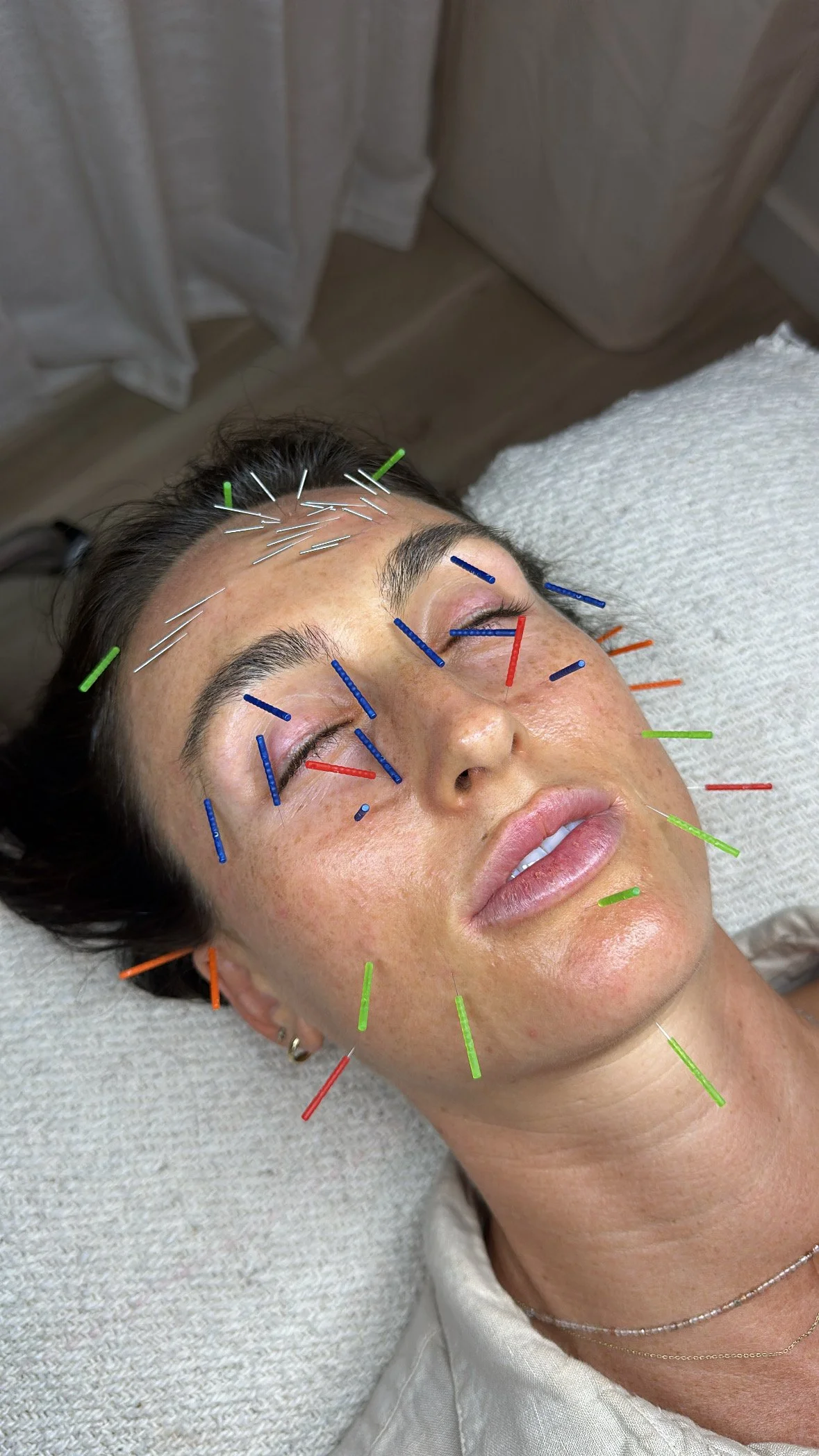
What Chinese Medicine Teaches Us About Aging Gracefully: Cosmetic Acupuncture, Qigong, & Redefining What “Healthy” Means
Learn why skincare not enough to preserve your youthful glow. In this blog post, understand the whole-body relationship to how we age, and what you can do to maintain maximum vitality, health, and beauty.
Let me say something that might feel a little uncomfortable at first.
Most of us, myself included for many years, have been operating under a version of "healthy" that is shaped almost entirely by Western cultural messaging. Eat clean (or restrict). Exercise hard (or more often). Take your supplements. Use the right serums. And yet, for many women I see in my practice who follow these "healthy rules", the face shows a different story. The skin looks dull or deflated. There are shadows under the eyes that sleep doesn't fix. The jawline is fading. The glow they remember from their twenties has quietly gone missing.
The frustrating part is that many of these women are doing things right, by Western standards. They exercise regularly. They're thoughtful about their diet. They buy high-quality skincare. And still: the face.
Here is what Chinese Medicine has known for over two thousand years, and what integrative skin science is now beginning to confirm: your aging face is not a surface problem. It is a whole-body equation. And the solution requires looking far deeper than the dermis.
What the Huangdi Neijing Tells Us About Aging
The Huangdi Neijing, a foundational classical text of Chinese Medicine written over 2,000 years ago, opens with one of the most elegant frameworks for understanding human aging ever recorded. In Chapter 1, it describes the 7-year cycles of women and the 8-year cycles of men, mapping how the body's constitutional energy changes over a lifetime.
For women, it goes like this:
- Age 7 (1×7): Kidney energy matures. The hair grows thick, the permanent teeth come in.
- Age 14 (2×7): Tiangui (天癸) — the essence that governs hormonal development — arrives. Menstruation begins. The body reaches reproductive maturity.
- Age 21 (3×7): Kidney energy peaks. Physical development is complete.
- Age 28 (4×7): Sinews and bones are at maximum strength. Hair is fullest. The physical body is at its zenith.
- Age 35 (5×7):The Yang Ming channel begins to decline. The face starts to wither. The hair begins to fall.
- Age 42 (6×7): Three Yang channels of the face are declining. The complexion becomes sallow. The hair begins to grey.
- Age 49 (7×7): Tiangui is exhausted. Menstruation ceases. The body begins its next phase.
For men, the same pattern plays out in 8-year increments, peaking at 32, with "Yang Ming" (we'll talk about what that means shortly) decline beginning around 40.
Within this simple framework is also an implicit teaching: if you want to change the timeline, you need to understand the mechanism.
The mechanism influencing aging, beginning at age 35, is the Yang Ming channel.
The Yang Ming Channel: Why 35 Is the Turning Point
The Yang Ming channel, which includes the Stomach meridian (足阳明胃经) and the Large Intestine meridian (手阳明大肠经), is considered the most “Qi- and Blood-rich” channel in the body. It is the primary channel responsible for nourishing the face, supplying the skin with the Blood and fluids needed for luminosity, fullness, and elasticity.
When the Neijing says "the Yang Ming channel begins to decline" at 35 (5×7 for women), it is describing the gradual dimming of the body's most important facial nourishment pathway. And the consequences are visible: the skin begins to lose its glow. Nasolabial folds deepen. The under-eye area hollows. The face sags.
This is not just cosmetic. This is a gradual consuming of your vital energy.
I wrote about the 7-year cycles and why women in their forties so often feel and look depleted in more depth in this blog post. If you haven't read it yet, it is worth reading alongside this one, because understanding the how to replenish the "root Kidney energy", as discussed in my previous post, is the first step to boosting overall vitality, thus slowing the progression of aging.
The key question is: what depletes the Yang Ming channel faster than it needs to go? And the answer, as we'll explore below, has everything to do with how we eat, how we move, and how we manage (or fail to manage) our stress and internal resources.
The Yang Meridians of the Face — A Map of Aging
Before we go further, let me give you the full picture of which "meridians" travel through the face. A meridian is a pathway in the body that can show signs of imbalance of an internal organ non-locally. The 6 major Yang meridians run from hands to face (Small Intestine, "Triple Burner", and Large Intestine meridians) and face to feet (Bladder, Gallbladder, Stomach meridians). Western science is slowly starting to understand them as an aspect of the connective tissue pathway dynamics (fascia research! More on this topic at a later date). Each meridian governs a different region of the face and a different pattern of aging.
Stomach Meridian (足阳明胃经) — The Yang Ming Channel
This is the primary nourishment channel of the face, running from below the eye, through the cheek, jaw, neck, and chest, all the way down to the foot. It governs the fullness and tone of the central and lower face — the cheeks, nasolabials, jawline, and chin. When Stomach Qi is strong, the face is full and radiant. When it is depleted through poor digestion, chronic dieting, irregular eating, or emotional suppression at mealtimes, the face sags, hollows, and loses its color. The classic "tired, gaunt face" is often a Stomach channel depletion pattern.
Large Intestine Meridian (手阳明大肠经)
Running from the index finger up the arm, through the shoulder, neck, and cheek to the opposite nostril, the Large Intestine governs elimination, detoxification, and the clearing of heat from the skin. When elimination is sluggish and toxins accumulate, this shows in the skin as dullness, congestion, possible redness from systemic inflammation and congested breathing (the Large Intestine is a "pair" of the Lungs - when one is struggling, the other is also affected), and tension in the SCM (sternocleidomastoid muscle in the neck). Further, the link between gut health and skin clarity that integrative dermatology now widely acknowledges has been mapped in the Large Intestine channel for thousands of years.
Gallbladder Meridian (足少阳胆经)
Zigzagging across the temples and side of the head before descending the lateral body to the foot, the Gallbladder channel governs the temples, outer eye, lateral face, and jaw. It is associated with decision-making, frustration, and the Wood element — meaning that unresolved resentment, chronic indecision, and suppressed anger tend to show in the lateral face first: temporal tension lines and a tightened jaw. It is not a coincidence that the women who report jaw clenching are often the same ones whose lateral face ages most visibly.
Triple Burner / San Jiao (手少阳三焦经)
Traveling from the ring finger up the arm, around the ear, and ending at the outer eyebrow, the Triple Burner is a name for the function of governing fluid metabolism and the regulation of heat throughout the entire body. It is central to the appearance of puffiness as it strongly impacts circulation in the whole body. When Triple Burner function is impaired, often by chronic stress, hormonal dysregulation, or poor sleep, fluid distribution becomes erratic: puffy in the morning, dull by afternoon, inflammed without obvious cause.
Each of these Yang channels, when nourished and flowing, produces a quality of facial vitality. And when each is depleted, it leaves a different pattern of aging in its wake. This is exactly why cosmetic acupuncture is not a surface treatment; it is a full body treatment. The needles work with these pathways, via points on the face as well as the arms, legs, hands, feet, and abdomen.
Yin and Yang: The Two-Way Relationship Between Foundation and Expression
In Chinese Medicine, the "Yin" (feminine qualities; nourishment) and "Yang" (masculine qualities; the energy we put out by burning what nourishes us) of the body must be in dynamic balance for vitality of body and skin to express itself fully.
The "Yin" of the body (Kidney Yin, Liver Blood, the "Body Fluids" - all Chinese Medicine terms we will unpack over time on this blog - stick around to learn more!) is the deep, nourishing, moistening foundation. It is what keeps the skin plump, the eyes bright, the tissues hydrated. The Yang of the body (the warming, moving, rising energy) depends on this foundation to ascend to the face and animate it with color, glow, and tone.
When Yin is depleted, Yang cannot rise to the face. This is the classic presentation of a woman in her forties who describes looking "washed out" or "flat". The underlying nourishment is insufficient, and the energetic brightness that should animate the face has nothing to rise on. The result is a face that looks dull, grey, or simply tired, regardless of how well-rested she actually is.
When Yang is depleted, the Yin becomes stagnant and damp. This is the woman whose face is puffy, whose jawline is indistinct, who wakes up with bags under her eyes and a heaviness that doesn't clear until midday. Without adequate Yang to transform and move fluids, the nourishing substances of the body accumulate in the wrong places rather than circulating where they are needed.
Both of these are common presentations in women between 35 and 55, and both require completely different approaches. This is precisely why the same cosmetic acupuncture protocol cannot and should not be applied to every person. Constitutional and individualized diagnosis is not a nicety in this medicine. It is the entire point.
What Cosmetic Acupuncture Actually Is — And Why It Begins in the Whole Body
Here is something that surprises many of my clients when they come in for their first cosmetic acupuncture session: we do not begin with the face.
A cosmetic acupuncture treatment at Inner Body Data begins with a full health history intake. I am looking at your tongue, feeling your pulse (both unique diagnostic tools of Chinese Medicine), your patterns of sleep and digestion, your hormonal cycle, your stress patterns, the quality of your skin in specific zones, and the state of each of the organ systems that Chinese Medicine considers foundational to facial health. From there, every session is tailored to that person on that day as the body changes.
After the intake, the body points come first. "Kidney points" on the ankles inner calves, torso, and chest to restore the deep yin foundation. "Spleen and Stomach points" on the feet, legs, and belly to ensure the "Foot Yang Ming channel" (Stomach meridian) is receiving adequate Qi and Blood. "Liver points" on the feet and near the diaphragm to move stagnation and release emotional tension. "Triple Burner points" on the arms to regulate fluid distribution and reduce inflammation. Only once the body is oriented toward repair and circulation does the treatment address the face locally.
Only once full body health and nervous system regulation have been addressed do I add facial needles, followed by Gua Sha, facial cupping, and facial massage techniques that work with the now-opened meridian pathways.
This approach is not a compromise between holistic medicine and aesthetics. It is the aesthetic treatment — because the face will only be as vital as the inner body that supports it.
Yang Shen: The Practice of Nourishing Life
One concept that does not translate easily into Western wellness culture that many people have never heard of is called Yang Shen (養神), referring specifically to the nourishment of the Shen, or "spirit".
Yang Shen literally means "to nourish life" or "to preserve vitality." It is the practice of tending to your fundamental constitutional resources — Jing (your "essence", often related to the vitality of the hormone health and our genetic inheritance, Qi (vital energy, what we "do" with the Jing), and Shen (spirit; the way we uniquely shine the light of our vitality out into the world) — in a way that prevents their unnecessary depletion over time.
In qigong and classical Chinese Medicine, Yang Shen is not a passive concept. It is an active daily practice of how you spend your energy. The Neijing is explicit about this: premature aging comes not only from external invasion or genetic fate, but from the way we live — from irregular eating, emotional excess, overwork, sexual depletion (heavy menstruation, improper recovery from pregnancy, and excessive ejaculation), and the failure to rest in accordance with the seasons and the body's natural rhythms.
Some simple Yang Shen practices you can begin integrating right now:
Rest as a non-negotiable. Sleep before midnight. The Gallbladder and Liver do their renewal work between 11pm and 3am according to the organ clock. Missing this window consistently is one of the fastest ways to age the face. If the body is not resting during this time, or you've eaten too close to bed, the blood does not pass through liver, important for proper detoxification and cellular repair. The nervous system (also related to the liver in TCM) also does not receive adequate recovery for the body to perform these repairs. The face then reflects this via dullness and tension patterns.
Eat warm, cooked, and regular meals. Cold, raw foods or meals at irregular intervals are among the most common ways the Stomach Qi becomes depleted in modern Western women. The stomach needs warmth to transform food into the Qi and Blood that nourish the Yang Ming channel (which remember, is the main meridian responsible for showing significant aging on the face). Smoothies, salads, and cold drinks consumed quickly while standing over a sink are not nourishment. Over time, weakened digestion leads to poor nutrient absorption, and poor quality blood flowing to the face.
Qigong for Kidney Jing preservation. Slow, gentle, "kidney-strengtening qigong" such as the Eight Brocades (Baduanjin), standing meditation (Zhang Zhuang), "Kidney breathing", or gentle spinal undulation practices build and preserves the deep Yin foundation that allow Yang to rise beautifully to the face. If you are already a member of the Inner Body Data on-demand library, Kidney Qigong and Daily Practice categories are a good place to start. [Try a free Kidney Qigong preview here]. In my experience, Qigong is where you’ll really start to see the needle move on your stress and rate of aging.
Stillness and nervous system regulation. Yang Shen includes the cultivation of a stable, peaceful Shen, or "spirit". Think of your Shen as the spark of ALIVENESS in your eyes. Chronic anxiety, rumination, and emotional volatility consume Qi and Blood (a form of Yin). This is not a moral judgement; it is a physiological reality. Practices that genuinely regulate the nervous system and allow for emotional digestion are Yang Shen practices. [Check out my Locating Emotions in the Body Course or Qigong for Emotional Healing for a deep dive into this work - scroll down to the bottom of the page to view the courses]
The Part That No One Wants to Talk About: The "Healthy" Habits That Are Depleting Your Face
Now for the uncomfortable piece.
There are two patterns I see repeatedly in my practice that are almost entirely shaped by Western cultural messaging about what "healthy" looks like, and both of them age the face prematurely by depleting the Yang Ming energy.
Pattern One: Over-exercise and/or under-nourishment.
The woman who runs five times a week, goes to intense spin or HIIT classes, lifts heavy, and eats carefully (meaning restrictively) is, from a Chinese Medicine perspective, consuming her constitutional reserves at an accelerated rate. Vigorous exercise generates Yang, produces heat, and expends Qi. Without generous and consistent replenishment through nutrition, and a recovery of the nervous system via deep relaxation, the body is drawing on Jing — the hormonal vitality — to meet the energy demand. Jing, once depleted, does not easily replenish.
The result: a lean, fit body and a face that looks hollowed, dull, or inexplicably older than its years. I see this regularly. The skin loses its plumpness because the fat pads of the face depend on adequate Qi, Blood, and yin fluids to maintain volume. Collagen synthesis requires amino acids, vitamin C, zinc, and copper, none of which are sufficiently supplied by a calorie-restricted diet that prioritizes lightness over nourishment, nor a routine that is solely focused on exercise and consuming larger amounts of calories (which is hard on the digestive system), with no time for nervous system practices.
Pattern Two: Using food as stress management without actually nourishing.
The other end of the spectrum is equally common and equally misunderstood. For many people, food is the primary available comfort in a life that doesn't leave much room for genuine rest. This isn't a failure of willpower, it is a nervous system strategy in the absence of other tools. But the foods that comfort, such as processed carbohydrates, sugar, alcohol, and dairy, tend to generate "dampness and phlegm", Chinese Medicine terms that indicate there is a stagnation of fluid in the body. This weakens the digestive system and impairs the body's ability to transform food into usable Qi and Blood.
From a biochemical standpoint, diets high in processed foods and low in whole-food micronutrients create specific deficiencies that show in the face:
- Vitamin C deficiency impairs collagen synthesis — the hydroxylation of proline and lysine requires ascorbic acid as a co-factor. Without it, collagen is weaker and less abundant.¹
- Zinc deficiency impairs wound healing, reduces keratinocyte proliferation, and is associated with increased inflammatory skin conditions.²
- Iron deficiency reduces oxygen delivery to skin tissue and is one of the most common causes of pallor, dullness, and hair thinning in women over 35.³
- Vitamin A deficiency down-regulates fibroblast activity, reducing both collagen and elastin production.⁴
- Magnesium deficiency (almost universal in Western populations) — impairs sleep quality, elevates cortisol, and drives systemic inflammation that degrades skin matrix proteins.⁵
- fatty acid insufficiency compromises the skin barrier, increases transepidermal water loss, and contributes to the "crepey" texture that many women notice first at the temples and under the eyes.⁶
All of this connects back to the Stomach meridian and the Yang Ming channel. In Chinese Medicine, the Spleen and Stomach are responsible for transforming and transporting nutrients from food into Qi and Blood. When digestion is impaired, whether by poor food quality, emotional eating, eating under stress, or irregular meals, the upstream result is a Yang Ming channel that carries less, and a face that receives less.
The gut-skin axis is not a new idea in integrative dermatology. But in Chinese Medicine, it was never separated to begin with.
Learn more in the Glow From Within series, Class 3: The Natural Facelift
Everything in this post is the foundation for what we will discuss in Class 3 of the Glow From Within series: The Natural Facelift.
In this class, I will go into specific detail about how cosmetic acupuncture works at the local tissue level — the micro-injury response, fibroblast activation, lymphatic drainage, and fascial muscle release — alongside the constitutional full body acupuncture that makes it more than a surface treatment. We will walk through the realistic estimated timeline for results with specific cosmetic concerns: fine lines, hyperpigmentation, jowling, puffiness, under-eye hollowing, hooded eyes, and more.
I will also be sharing, for the first time outside of my private client sessions, advanced facial massage techniques designed to bring increased blood flow and lymphatic drainage to specific zones of the face. We spoke about Gua Sha for lymphatic drainage in the last class (which you can review here by joining the full series!), but these are more targeted techniques that work with fascial adhesions, muscular hyper-tonicity, and the orbital and buccal drainage pathways that tend to stagnate first.
And because the whole-body piece is inseparable from the local work, I will be guiding you through nervous system-regulating qigong movements. These are specific practices that "calm the Shen", enhance digestion, and create the internal conditions in which a glowing, energized face becomes not just possible, but inevitable.
This class is not about following another set of rules about what healthy looks like. It is about learning to read your body through a different lens, one that has been refined over thousands of years, so that you can work with your body, rather than against it.
You may have thought you were doing everything right. After Class 3, you'll understand what "right" actually means for your specific facial aging concerns, your specific constitution, and the phase of life you're in.
→ Or join the full Glow From Within series at the founding member rate before June 15th — the price increases from $127 to $297 after that date
In Summary: Your Face Says What Your Body Wants You To Know
The Huangdi Neijing did not describe the aging of the face as something to be lamented or outsmarted. It described it as a natural reflection of the body's resources over time. The question it implicitly poses, and that I hope this post begins to answer, is not "How do I stop aging?", but, "How do I tend to myself so well that my face reflects maximum vitality, at every age?"
That is a different question. And it requires a different approach to beauty, and to wellness.
Your skincare products are not going to resolve underlying exhaustion or lack of emotional processing, nor will your filler or your botox. Neither is another HIIT class or another 1,200-calorie day. The answer lives in the body's relationship with the rhythms of Nature, in the food you digest slowly and gratefully, in the sleep you protect, in the personalized acupuncture care that sees your face as a downstream expression of everything you are moving through, and tends to all of it accordingly.
This is the beauty and wisdom of Chinese Medicine and Qigong, and I am so honored and grateful to share a small piece of these deep healing frameworks with the world.
About the Author
Dr. Sinéad Corrigan is a Doctor of Acupuncture and Chinese Medicine, Licensed Acupuncturist, Board Certified Herbalist, and somatic movement instructor based in Chapel Hill, NC, Kauaʻi, HI, and [soon] Miami, FL. She offers in-person appointments as well as telemedicine, and has an On Demand Qigong + Yoga platform and YouTube channel for those who want guided embodiment practices rooted in Chinese medicine at home.
Connect with Dr. Sinéad ~ Empower yourself with Inner Body Data™
Explore the On Demand Membership
---
References
1. Pullar JM, Carr AC, Vissers MCM. The Roles of Vitamin C in Skin Health. Nutrients. 2017;9(8):866. https://doi.org/10.3390/nu9080866
2. Gupta M, Mahajan VK, Mehta KS, Chauhan PS. Zinc therapy in dermatology: a review. Dermatol Res Pract. 2014;2014:709152. https://doi.org/10.1155/2014/709152
3. Deloche C, et al. Low iron stores: a risk factor for excessive hair loss in non-menopausal women. Eur J Dermatol. 2007;17(6):507–12. https://doi.org/10.1684/ejd.2007.0265
4. Kafi R, et al. Improvement of naturally aged skin with vitamin A (retinol). Arch Dermatol. 2007;143(5):606–12. https://doi.org/10.1001/archderm.143.5.606
5. Barbagallo M, Dominguez LJ. Magnesium and aging. Curr Pharm Des. 2010;16(7):832–9. https://doi.org/10.2174/138161210790883679
6. Pilkington SM, et al. Omega-3 polyunsaturated fatty acids as potential therapeutic agents in inflammation associated with skin ageing. Nutr Res Rev. 2011;24(2):199–210. https://doi.org/10.1017/S0954422411000138
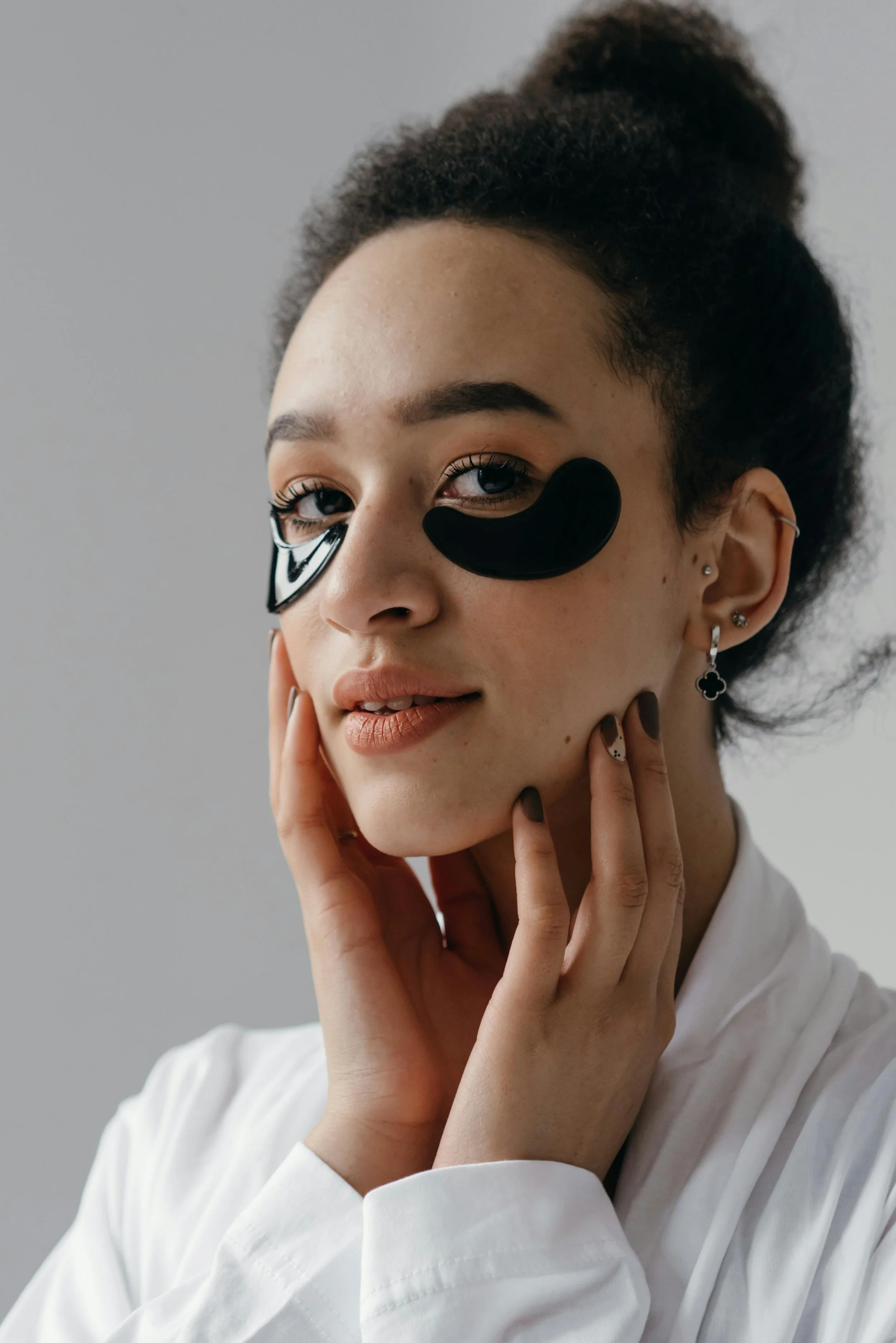
What Your Under-eye Dark Circles Are Really Telling You: Kidney health, Unresolved Trauma, and the Chinese Medicine Approach to Tired Eyes
Dr. Sinéad Corrigan, LAc, DACM is a Licensed Acupuncturist and Doctor of Chinese Medicine, and the founder of Inner Body Data™. She specializes in cosmetic acupuncture, natural beauty, reproductive health, sports medicine, preventative medicine and the intersection of somatic movement practices and total body wellness. She sees patients in Chapel Hill, NC , seasonally in Kauai, HI, and [soon] Miami, FL.
Dark circles are one of the most common concerns I hear about in my practice, and also one of the most consistently misunderstood. Most people reach for concealer, buy a new eye cream, or blame another bad night of sleep. And while sleep absolutely matters, dark circles that persist regardless of how much rest you get, or that seem to deepen over the years, are likely not just a sleep problem.
In Chinese Medicine, the area beneath the eyes is one of the most diagnostically rich regions of the entire face. It reflects the state of an organ system that Western medicine has no direct equivalent for — the "Kidney System" — and what shows up there tells a story that goes back years, sometimes decades, and even may connect to one’s ancestral trauma.
This post is a deep dive into all of it: the Western dermatology explanation, the TCM framework, the surprisingly well-researched link between unprocessed trauma and the kind of chronic low-grade inflammation that quietly depletes the "Kidney energy" over time and, what you can actually do about it all.
What Western Dermatology Says About Under-Eye Circles
Before we go into the Chinese Medicine lens, it's worth understanding what conventional dermatology has identified as the causes of periorbital hyperpigmentation and dark circles.
Research published in the Journal of Cosmetic Dermatology [1] identifies four primary structural mechanisms:
1. Vascular pooling. The skin beneath the eyes is the thinnest skin on the body, sometimes only half a millimeter thick. The tiny capillaries and blood vessels sitting just beneath the surface become visible, creating a blue-purple hue. Fatigue, dehydration, and poor circulation all worsen this, as does anything that increases venous pressure in that area (including chronic sinus congestion and allergies).
2. Periorbital hyperpigmentation. This is a melanin-based darkening that develops with age, sun exposure, and genetic predisposition, and is more pronounced in those with darker skin tones. It is associated with post-inflammatory hyperpigmentation from eczema, rubbing the eyes, and disrupted skin barrier function [2].
3. Structural shadowing. As we lose subcutaneous fat and collagen under the eyes with age, a hollowing occurs. The shadow cast by this depression reads visually as dark — even when the skin tone itself hasn't changed. This is a structural issue, not a pigmentary one, and it deepens over time as "Kidney Yang energy" declines (more on this shortly).
4. Nutritional and systemic causes. Iron deficiency anaemia, zinc deficiency, thyroid dysfunction, and chronic fatigue are all documented contributors to periorbital darkness [3]. These are not cosmetic issues, but rather metabolic ones.
What's important to note is that for many people, all four mechanisms are happening simultaneously, which is why a single eye cream is rarely a meaningful solution.
What Chinese Medicine Sees
Chinese Medicine looks at the same anatomy — the hollowing, the darknening, the puffiness — and reads something equally as systemic, though with a much different lens.
In TCM, every region of the face corresponds to an internal organ system. The area directly below the eyes reflects the state of the Kidneys. When Kidney energy is deficient, whether through depletion, overwork, chronic fear, or simple aging, it shows up here first.
The Kidneys in Chinese Medicine are not simply the organs that filter blood. (*Capitalized to denote the difference between the kidney organs and the "Kidney System".) They are considered the “root of all Yin and Yang” in the body. They house Jing (精), the foundational essence that governs our growth, reproduction, and aging process. Jing is often described as our constitutional battery: partly inherited from our parents at birth, partly replenished through food, rest, and right living. When Jing is abundant, the skin is luminous, the eyes are bright, the lower face is full and lifted. When Jing is depleted, the face hollows, the under-eye darkens, the hair becomes grey, and the lower back aches.
There are two primary Kidney deficiency patterns that produce dark circles, and they look slightly different on the face:
Kidney Yin Deficiency tends to produce a deeper darkness beneath the eyes, sometimes accompanied by dryness, fine lines in the under-eye area, a feeling of heat in the palms and soles at night, and difficulty staying asleep between 2–4am. The face often looks older than the person's years.
Kidney Yang Deficiency tends to produce a more puffiness-plus-darkness pattern often with a bluish-black tone accompanying fluid retention. These individuals often feel cold, especially in the lower body, have low energy in the morning, low libido, and retain water.
Many people present with a combination of both, particularly in midlife.
The Classical Chinese Medicine View: Kidney Energy Over a Lifetime
To understand why Kidney deficiency matters so much for longevity and appearance, we need to go back to the source.
The Huangdi Neijing (黃帝內經),the Yellow Emperor's Classic of Medicine, compiled between approximately 300–100 BCE, describes the natural arc of human vitality in terms of seven-year cycles for women and eight-year cycles for men [4]. This framework is one of the most elegant models of aging in any medical tradition, and it remains clinically relevant today.
For women, the Neijing describes it as follows:
> At age 7, the Kidney energy becomes exuberant, the teeth change, and the hair grows long.
> At 14, the Tiangui (天癸) — the heavenly water, understood as the hormonal essence that governs reproduction — arrives. Menstruation begins.
> At 21, the Kidney energy is balanced and full. Wisdom teeth emerge.
> At 28, the body is at its peak. Tendons and bones are strong, hair long and abundant.
> At 35, the Yangming (stomach and large intestine) channels begin to decline. The face begins to wither. Hair begins to fall.
> At 42, the three Yang channels all weaken. The face withers more noticeably, hair begins to turn.
> At 49, the Tiangui is exhausted. Menstruation ceases. The body can no longer conceive.
For men, the cycle is in eight year increments of decline: peak Kidney energy at 16 (Tiangui), full strength at 32, the first signs of decline at 40, and notable Kidney deficiency at 56.
What this framework illuminates is that dark circles, hollowing beneath the eyes, and a loss of facial luminosity are not aberrations; rather, they are natural consequences of Jing moving through this gradual and natural process of depletion. The question is not how to stop the process, but how to steward it wisely. The Neijing is explicit: those who live in alignment with the Tao, meaning sufficient sleep, regulated emotions, nourishing food, seasonal living, and the cultivation of inner stillness, preserve their Jing far longer than those who do not.
The classical text uses the phrase 腎藏精 — "the Kidney stores Essence" — and elsewhere, 肝腎同源 — "the Liver and Kidney share the same source." This is clinically important. The Liver in Chinese Medicine opens to the eyes; the Kidneys nourish the Liver. When Kidney Jing is depleted, the Liver Blood that feeds the eyes is also compromised, which is why Kidney deficiency and Liver Blood deficiency so often appear together in the under-eye area as simultaneous darkness and dryness. Overuse of the eyes themselves, whether through excessive working, scrolling, or sensory stimulation, is also said to deplete "Liver Blood", contributing to the quickening degeneration of the body. (Learn more about the way the "Liver System" impacts the complexion and can create a dullness in the face in this blog post)
The Lingshu (靈樞), the companion volume to the Suwen, describes the eight extraordinary channels (vessels that carry Jing throughout the body) and their relationship to the face. The Du Mai (督脈), Ren Mai (任脈), and Chong Mai (衝脈) are all rooted in the Kidneys and travel upward through the torso and face. When these vessels are depleted, which can happen for a variety of both physical and psychological reasons including overworking, poor quality sleep, unprocessed trauma, heavy menstruation, improper recovery from pregnancy, excessive ejaculation, and so on, the face loses its root of nourishment, and begins to show the consequences.
The Role of Unprocessed Trauma
This is once of the causes for persistent circles under the eyes that surprises patients, and where the research is more robust than most people expect.
Trauma is not simply a psychological experience. It is a physiological one. And when it goes unprocessed, i.e. when the body never fully completes its stress response, never receives the signal that the threat has passed, it remains embedded in the nervous system, the fascial tissue, and the hormonal axis in ways that cause measurable, ongoing biological harm.
The landmark ACE (Adverse Childhood Experiences) Study, published in the American Journal of Preventive Medicine in 1998 [5], followed over 17,000 adults and found a graded dose-response relationship between the number of childhood adversities experienced and nearly every major chronic disease in adulthood, including autoimmune conditions, cardiovascular disease, and accelerated cellular aging. The more adverse experiences, the more biological disruption, regardless of current circumstances.
Dr. Bessel van der Kolk's foundational work The Body Keeps the Score [6] synthesizes decades of trauma research to show that traumatic memory is stored not abstractly, but somatically in the body's postural patterns, autonomic responses, and chronic inflammatory states. The body remains in a state of low-grade vigilance long after the original threat is gone.
Biologically, unprocessed trauma keeps the HPA (hypothalamic-pituitary-adrenal) axis in a state of chronic dysregulation. A 2015 systematic review and meta-analysis published in Lancet Psychiatry [7] found that people with PTSD had significantly elevated levels of inflammatory markers including C-reactive protein (CRP), interleukin-6 (IL-6), and tumor necrosis factor-alpha (TNF-α), compared to non-traumatized controls. These are not subtle differences. They represent a body that is chronically inflamed, chronically on alert.
This matters for the skin directly. A widely-cited review in Inflammation & Allergy Drug Targets [8] describes what researchers now call the "brain-skin connection" — the bidirectional communication between the central nervous system and the skin via the HPA axis, the autonomic nervous system, and neuropeptide signaling. Chronic psychological stress accelerates skin aging, impairs wound healing, disrupts the epidermal barrier, and depletes the skin of the minerals and growth factors needed for repair. Elevated cortisol, in particular, directly suppresses collagen synthesis, breaks down existing collagen and elastin, impairs microcirculation, and depletes zinc, magnesium, vitamin C, and B vitamins, all of which are required for skin fullness, tone, and repair [9].
Epel et al.'s landmark 2004 study in the Proceedings of the National Academy of Sciences [10] found that chronic psychological stress, including caregiver stress and early life adversity, was associated with significantly shorter telomeres, a direct marker of cellular aging. The women with the highest stress burden had telomeres equivalent to those of women a decade older. This is the body aging faster at a cellular level.
The under-eye area is particularly vulnerable to all of this, because it is already the thinnest skin on the face, already dependent on microcirculation that stress directly impairs, and already closely tied to the organ system (the Kidneys/adrenals) that bears the brunt of chronic stress load.
The TCM View: How Trauma Depletes the Kidneys
In Chinese Medicine, fear is the emotion of the Kidneys. Acute fear — a sudden shock — is said to "scatter the Kidney Qi." Chronic, low-grade fear or anxiety is said to slowly consume the Kidney Jing. The relationship is not metaphorical; it is clinical. Patients who have lived with chronic anxiety, hyper-vigilance, or unresolved shock consistently present with Kidney deficiency patterns: dark circles, lower back weakness, night sweats, early morning waking, hair thinning, and a quality of underlying exhaustion that no amount of sleep seems to fully resolve.
This is because in TCM, the Kidneys govern the adrenal glands (which sit directly on top of the kidneys). Chronic activation of the stress response, the cortisol-adrenaline cascade, over months and years is a direct drain on what the Neijing would call Kidney Yang and, over time, Kidney Jing itself. This is not a distant metaphor. It is a direct parallel to what Western medicine describes as HPA axis dysregulation, adrenal fatigue, and the downstream depletion of DHEA, testosterone, and other steroid hormones that are manufactured from the same precursors as cortisol.
When the adrenals are chronically recruited for survival rather than available for restoration, the downstream effects are precisely what both Chinese and Western medicine describe: thinning skin, poor wound healing, mineral depletion, immune dysregulation, impaired fluid metabolism (leading to puffiness beneath the eyes), and a generalized loss of vitality that shows on the face long before it registers as disease.
Qigong and Lifestyle: How to Preserve Kidney Jing
The Huangdi Neijing is remarkably specific about preservation. The foundational instruction is this: live in alignment with the seasons, protect the Jing from unnecessary expenditure, and cultivate stillness as a form of replenishment. (But how to follow these tips while hustling to achieving massive success?! You may ask…stay tuned for a future blog post on this.)
In practical terms, this translates to the following (some of which are two thousand years old, and all of which have contemporary physiological support):
Sleep before midnight. The Neijing describes midnight as the turning point between Yin and Yang, the moment when the body shifts from expenditure to restoration. Chronic late-night activity is considered one of the most direct ways to deplete Kidney Yin over time. Modern research aligns: sleep between 10pm and 2am corresponds with the deepest phases of HGH (human growth hormone) secretion and cellular repair [11].
Protect the lower back and lower body from cold. The Kidney meridian originates at the sole of the foot (Kidney 1 — 涌泉, Yongquan, "Bubbling Spring") and runs up the inner leg and spine. Cold feet, sitting on cold surfaces, and exposing the lower back are all considered Kidney-depleting in classical texts. Warming the lower body with appropriate clothing, warm foot soaks, wearing slippers or socks on non-carpeted floor, and keeping the mingmen (命門, Gate of Life — the point between the kidneys at the lumbar spine) warm are foundational Kidney-preservation practices. This also includes avoiding excessive "cold foods" (both in temperature and in their effect on the physiology once consumed), such as smoothies, dairy products, and raw salads.
Kidney Qigong. The Ba Duan Jin (八段錦), or Eight Brocades, one of the most widely practiced Qigong forms in history, contains a specific movement, "Two Hands Hold the Feet to Strengthen the Kidneys and Waist", designed to stimulate Kidney Qi through the Du Mai and the Kidney Back-Shu points (膀胱經, Bladder 23). The Six Healing Sounds system includes the Kidney sound "Chui" (吹), practiced with a specific breath and visualization of blue-black water to cleanse and tonify (strengthen) Kidney energy. Research on Qigong practice has documented reductions in cortisol [12], improvements in autonomic balance, and improvements in perceived vitality and sleep quality, all of which correspond to Kidney restoration from a TCM perspective. (Try this Kidney Qigong Practice on my YouTube Channel)
Self-massage of the Kidney Shu points. Rubbing the lower back vigorously with the backs of the hands until warm, a practice described in classical texts and taught in virtually every Kidney Qigong sequence, stimulates the 腎俞 (Shenshu, Bladder 23) points directly, which are said to help regenerate the kidney organs themselves. This is one of the simplest and most accessible practices available, and it can be done in under two minutes each morning.
Nourish with black and dark foods. The Kidneys are associated with the Water element and the color black. Classical dietary medicine emphasizes black sesame seeds (黑芝麻), black beans, seaweed, dark leafy greens, walnuts (which physically resemble the brain, the "sea of marrow" also governed by the Kidneys), goji berries (which are said to nourish Kidney Yin and Liver Blood simultaneously), and bone broth (rich in minerals and collagen precursors that directly support the Jing).
Cultivate stillness and address the emotional root. This is perhaps the hardest and the most important. If the depletion has a trauma root, and for many people it does, no herb or Qigong practice will fully resolve it without also addressing what is held in the body. Somatic therapies, EMDR, breathwork, and trauma-informed movement practices all support the nervous system's ability to complete its stress response and come out of a state of chronic vigilance. In TCM terms, this is the work of calming the Shen (心神) and allowing the Kidneys to stop functioning as a 24-hour emergency generator. (For those located in North Carolina looking for one-on-one support, I see patients one day per week at the Flourish Center for Somatic Healing in Cary, NC. Book here for acupuncture, and check out their page for excellent somatic therapy care)
What Cosmetic Acupuncture Does for Kidney Deficiency
If you want to understand exactly what your under-eye area (and the rest of your face) is telling you about your internal landscape, Class 3 of the Glow From Within series is where we go deep.
In the next upcoming live class, we will unpack what most beauty treatments skip entirely: the face is a diagnostic map. Every region, every line, every area of discoloration or hollowing corresponds to an organ system; and when we treat from that understanding, the results go far beyond what topical products alone can achieve.
In this upcoming class, "The Natural Face Lift" (Class 3), we cover how cosmetic acupuncture works, not just to relax muscles or stimulate collagen, but to move stagnant Qi and Blood in the face and restore circulation to depleted areas, how to read facial patterns as a form of ongoing self-diagnosis, and how the under-eye area, the jawline, the forehead, and the cheeks each carry specific information about what is happening internally.
Beauty, in Chinese Medicine, is never separate from health. The Glow From Within natural beauty masterclass series is where that philosophy becomes a practical skill.
[Bring all your questions about cosmetic acupuncture and natural beauty. Drop in to Class 3 live here; recording available for 2 weeks after class. OR become a Founding Member of the Glow From within series and gain lifetime access to all 5 classes (price increases on June 15) → join the series]
Nourishing the Kidneys From the Inside Out — Food, Herbs & Supplements
If the undereye area is calling for attention, the most powerful long-term intervention is not topical. It is nutritional and herbal, which is exactly what we cover in Class 4 of Glow From Within: Food, Supplements, and Herbs for Glowing Skin and Kidney Health
Some of the Kidney-specific herbs and nutrients we will discuss in class:
He Shou Wu (何首烏) / Fo-Ti — one of the most celebrated Kidney Jing tonics in classical herbalism, traditionally used for hair, skin, and anti-ageing. Modern research has investigated its effects on telomerase activity and cellular longevity.
Shu Di Huang (熟地黃) / Prepared Rehmannia — the foundational Kidney Yin tonic in Chinese medicine. Used in the classical formula Liu Wei Di Huang Wan (六味地黃丸 — Six Flavor Rehmannia Pill), which remains one of the most prescribed herbal formulas globally for Kidney Yin deficiency.
Gou Qi Zi (枸杞子) / Goji Berries — nourish both Kidney Yin and Liver Blood, directly addressing the Kidney-Liver axis that governs eye health and under-eye appearance. Rich in zeaxanthin and betaine.
Nu Zhen Zi (女貞子) / Ligustrum — a cooling, restorative Kidney Yin tonic often paired with Han Lian Cao (旱蓮草 / Eclipta) in the classical formula Er Zhi Wan (二至丸), one of the simplest and most elegant Kidney Yin formulas in the classical canon.
On the Western nutrition side: zinc (essential for collagen synthesis, immune regulation, and wound healing — frequently depleted by chronic stress), iron (anaemia is a direct cause of periorbital darkness), magnesium (depleted by cortisol and essential for sleep and HPA axis regulation), collagen peptides with vitamin C (supporting the structural fullness of the undereye area), and omega-3 fatty acids (reducing systemic inflammation and supporting skin barrier integrity).
Class 4 goes into the research, the dosing, the food sources, and how to think about building a supplement and herbal medicine regimen that actually matches your constitution and unique symptom presentation, rather than following a generic protocol that may not suit your body.
[I’ll be providing discounted supplement links to all participants; Join Class 4 here → link]
The Bigger Picture
Dark circles are, in one sense, a small cosmetic concern. In another sense, they are a window into how you have been living...how much you have rested, how much you have pushed, what you have carried without support, and where the body has quietly been spending reserves it cannot afford to keep spending.
The beautiful thing about Chinese Medicine is that it offers not just a diagnosis, but a direction. Kidney deficiency is not a verdict. It is an invitation: to sleep earlier, to eat more "Kidny-nourishing" foods, to practice Qigong or other mind-body awareness practices, to bring warmth to the lower half of the body, and to address what the nervous system is still holding. The face will respond, not overnight, but over time, in the way that all genuine restoration works: slowly, from the root.
In Chinese Medicine, the under-eyes are the window to understanding the speed at which you are depleting your "root", the Kidneys, and through this understanding, the Kidney health reveals the whole arc of how you have lived, and how you choose to live now.
About the Author
Dr. Sinéad Corrigan is a Doctor of Acupuncture and Chinese Medicine, Licensed Acupuncturist, Board Certified Herbalist, and somatic movement instructor based in Chapel Hill, NC, Kauaʻi, HI, and [soon] Miami, FL. She offers in-person appointments as well as telemedicine, and has an On Demand Qigong + Yoga platform and YouTube channel for those who want guided embodiment practices rooted in Chinese medicine at home.
Connect with Dr. Sinéad ~ Empower yourself with Inner Body Data™
Explore theOn Demand Membership
[1] Freitag FM, Cestari TF. "What causes dark circles under the eyes?" Journal of Cosmetic Dermatology. 2007;6(3):211-215. https://doi.org/10.1111/j.1473-2165.2007.00324.x
[2] Ranu H, Thng S, Goh BK, Burger A, Goh CL. "Periorbital hyperpigmentation — overview of etiopathogenesis and current management options." Journal of Cutaneous and Aesthetic Surgery. 2011;4(3):149-160. https://doi.org/10.4103/0974-2077.91251
[3] Sarkar R, Ranjan R, Garg S, Garg VK, Sonthalia S, Bansal S. "Periorbital hyperpigmentation: a comprehensive review." The Journal of Clinical and Aesthetic Dermatology. 2016;9(1):49-55. https://www.ncbi.nlm.nih.gov/pmc/articles/PMC4756872/
[4] Unschuld PU (translator). Huangdi Neijing Suwen: Nature, Knowledge, Imagery in an Ancient Chinese Medical Text. University of California Press, 2003. Chapter 1 (上古天真論).
[5] Felitti VJ, Anda RF, Nordenberg D, et al. "Relationship of childhood abuse and household dysfunction to many of the leading causes of death in adults: the Adverse Childhood Experiences (ACE) Study." American Journal of Preventive Medicine. 1998;14(4):245-258. https://doi.org/10.1016/S0749-3797(98)00017-8
[6] van der Kolk BA. The Body Keeps the Score: Brain, Mind, and Body in the Healing of Trauma. Viking, 2014.
[7] Passos IC, Vasconcelos-Moreno MP, Costa LG, et al. "Inflammatory markers in post-traumatic stress disorder: a systematic review, meta-analysis, and meta-regression." Lancet Psychiatry. 2015;2(11):1002-1012. https://doi.org/10.1016/S2215-0366(15)00309-0
[8] Chen Y, Lyga J. "Brain-skin connection: stress, inflammation and skin aging." Inflammation & Allergy Drug Targets. 2014;13(3):177-190. https://doi.org/10.2174/1871528113666140522104422
[9] Ganceviciene R, Liakou AI, Theodoridis A, Makrantonaki E, Zouboulis CC. "Skin anti-aging strategies." Dermato-Endocrinology. 2012;4(3):308-319. https://doi.org/10.4161/derm.22804
[10] Epel ES, Blackburn EH, Lin J, et al. "Accelerated telomere shortening in response to life stress." Proceedings of the National Academy of Sciences. 2004;101(49):17312-17315. https://doi.org/10.1073/pnas.0407162101
[11] Van Cauter E, Leproult R, Plat L. "Age-related changes in slow wave sleep and REM sleep and relationship with growth hormone and cortisol levels in healthy men." JAMA. 2000;284(7):861-868. https://doi.org/10.1001/jama.284.7.861
[12] Jahnke R, Larkey L, Rogers C, Etnier J, Lin F. "A comprehensive review of health benefits of qigong and tai chi." American Journal of Health Promotion. 2010;24(6):e1-e25. https://doi.org/10.4278/ajhp.081013-LIT-248
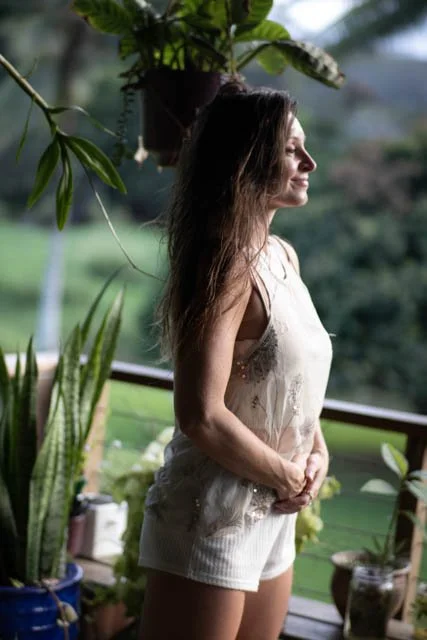
Fear of Aging: Why Your "Ideal Body" is Achieved and Aging Slows Down When You Stop Identifying With the Body
Dr. Sinéad Corrigan, LAc, DACM is a Licensed Acupuncturist and Doctor of Chinese Medicine, and the founder of Inner Body Data™. She specializes in cosmetic acupuncture, natural beauty, reproductive health, sports medicine, preventative medicine and the intersection of somatic movement practices and total body wellness. She sees patients in Chapel Hill, NC , seasonally in Kauai, HI, and [soon] Miami, FL.
An interviewer once asked (The Artist Formerly Known As) Prince something like, "How do you still look so young?"
His answer, paraphrased: "Oh, well, I stopped paying attention to time, so time stopped paying attention to me."
While we can't forget that the pop idol met an untimely demise due to the use of painkillers (a consequence of many years of jumping off platforms in high heels), he had a beautiful point.
Youth, in appearance, energy, and spirit, is not something we can merely calculate and biohack our way into.
Certainly the Bryan Johnsons of the world may disagree. But think about the most "youthful" person you know. Perhaps they don't even necessarily look young. But their energy? Timeless, unbound, and infectious.
As a cosmetic acupuncturist and board-certified Doctor of Chinese Medicine, I regularly work with people who want to both look younger and feel younger — healthier, more alive, more themselves. I meet people at the intersection of self-esteem, holistic healthcare, sustainability, and the worldview-and-values-reconfiguration work necessary to build a life where all three can actually coexist.
One of the most paradoxical things about my clinical approach is that, while I am employing mechanistic techniques to achieve a "youthful look" (such as motor-point needling in the muscles of the face to improve circulation and prevent wrinkles), I am simultaneously reminding every single person who walks through my door: "You are not your body."
"I am not my body" — What does this mean?
Many traditions of Eastern philosophy describe the body as “an experience within awareness”. We will explore this topic further, but first, an aside on “awareness” and “consciousness”.
Consciousness as Cosmology: The Taoist & Tantric Roots
According to Taoism, the underlying cosmology of the "elixir of youth" Qigong practices I both teach and prescribe, the body is a vessel for the development of consciousness. This is not a metaphor. It is the organizing principle of an entire ancient medical system.
The Taoist philosopher Lao Tzu wrote in the Tao Te Ching (Chapter 33): "知人者智,自知者明" — "Knowing others is wisdom. Knowing oneself is enlightenment." The entire edifice of qigong practice is built on this premise: that the deepest medicine is not applied from the outside in, but cultivated from the inside out.
This aligns with the foundational teaching of Kashmir Shaivism, a classical Hindu Tantric philosophical tradition, that consciousness or mind (Chit, or Cit) is not an emergent property of matter, but the primary reality from which all form arises. The 10th-century polymath Abhinavagupta, widely regarded as one of the greatest philosophers of consciousness in human history, described this as Prakāśa-Vimarśa: the universe as the self-luminous recognition of its own awareness. In his tradition, the body is not a limitation of consciousness; it is a crystallization of it, and therefore a doorway back into it.
The Buddhist tradition echoes this through the Heart Sutra's most famous teaching: "Form is emptiness, emptiness is form" (色即是空,空即是色). The body is not dismissed; it is recognized as non-separate from the formless awareness that perceives it. Presence, in this view, is not passive. It is a radical act of non-separation from what is.
"You Are Not Your Body" — And Yet Your Body Is Trying to Tell You Something
Consciousness is far too vast a topic for this blog post. But for the purposes of what follows, consider it simply as the capacity to be aware — to notice, to perceive, to feel from the inside.
How often have you (or a patient) followed a perfect health routine aligned with every latest research finding, timed to the hour, only to find yourself, months, days, or weeks later, back at square one?
Falling out of your "ideal protocol" or your "ageless skincare ritual" is not weakness, nor failure. Chinese Medicine and Qigong philosophy would say it happens because you are operating from what the tradition calls your inherited "Kidney energy," or ancestral Jing.
Jing (精) is a term from classical Chinese Medicine referring to the deepest constitutional essence of a person — the "root" of one's health and vitality. As we age, Jing is slowly depleted. Qigong and TCM aim to slow that depletion, and in some cases, replenish it. The Kidney system in TCM is said to store Jing (腎藏精, shèn cáng jīng), and chronic stress, poor sleep, overwork, and disconnection from the body are among its greatest depleting forces.
When survival instinct alone is in the driver's seat — the biological hunger cues, the hormonal urges, the reflexive reach for the familiar — we are running on habit alone. There is nothing wrong with following biological impulses. Pleasure and desire are a vital part of following one's Shen Ming (神命), or "Spirit Destiny” (a concept from Taoist philosophy I'll explore in a future post).
Where following survival impulses goes sideways is when we believe that the external result — the perfect body, the ideal partner, the smooth forehead, the cellulite-free thighs — contains the joy, fulfillment, happiness, and peace we are seeking.
Real youth, contentment, and limitless energy have only one source: presence.
The Neuroscience of Non-Identification: Dr. Shamil Chandaria
Modern neuroscience is arriving, from a very different direction, at the same conclusion.
Dr. Shamil Chandaria, PhD, Senior Research Fellow at the Centre for Eudaimonia and Human Flourishing at the University of Oxford, and Research Fellow at the Institute of Philosophy at the University of London, has spent decades bridging computational neuroscience with the contemplative traditions of Buddhism, Vedanta, and Kashmiri Shaivism. His work centers on what is known as the Bayesian Brain or predictive processing model of consciousness: the understanding that the brain does not passively receive reality, but actively constructs it based on prior expectations and learned predictions (Chandaria, Computational Neuroscience and Human Flourishing, The Trip Report).
What meditation (and by extension, qigong) does, according to Chandaria, is begin to loosen the brain's grip on its habitual top-down predictions. The stories we tell about ourselves. The anticipatory anxiety. The compulsive mental commentary. The chronic vigilance. These are not reality; they are the brain's model of reality. And they come at a biological cost.
As Chandaria describes it, practices like meditation and qigong systematically reshape the brain's predictive processes, reducing the energy devoted to threat-maintenance and opening space for genuine flourishing (Psychedelic Society, "The Science of Awakening"). In the Kashmiri Shaiva tradition he draws on, this is described as Spanda: the pulsation or throbbing aliveness that is the natural state of consciousness when it is no longer contracted by fear or grasping to the familiar.
In other words, what ancient practitioners called "releasing identification with the body" is, in modern neuroscientific terms, reducing the brain's chronic prediction of threat. And when that threat prediction relaxes, the body can finally repair.
Why Presence is Power: TCM's Theory of Qi, Blood, and Consciousness
According to TCM theory, "Qi is the commander of Blood" (氣為血之帥, qì wéi xuè zhī shuài). Qi — which can be understood as life-force or bioelectrical vitality — infuses whatever we direct our attention toward. The classical maxim: "Where the Mind goes, Qi goes" (意到氣到, yì dào qì dào). And: "When Qi moves, Blood moves" (氣行則血行, qì xíng zé xuè xíng).
This creates a direct chain of causality: Consciousness → Qi → Blood → Cellular nourishment.
When aware attention is brought to the felt sense of, say, the heart (try it now, if you'd like) Qi arrives there, and Blood follows. With blood comes oxygen, nutrients, hormones, and the biochemical signaling molecules that tell cells to regenerate and repair.
What is tension, in this framework? A blockage of life-force. When Qi stagnation occurs as a result of chronic stress, emotional suppression, or disconnection from the body, blood flow to the affected tissues decreases. The cells receive less of what they need. Repair slows. Aging accelerates.
The TCM canon also holds that "the Heart governs the Shen" (心主神明, xīn zhǔ shén míng) — the spirit, the consciousness, the integrating awareness that animates the entire organism. A Heart whose Shen is unsettled, scattered by anxiety, fragmented by overload, or disconnected by the relentless demand to look a certain way — is a Heart that cannot lead the body into repair.
"Form and Spirit are one" (形神合一, xíng shén hé yī). The separation of the two, treating the body as a machine to be optimized while the “spirit” remains unaddressed, is the root of dis-ease, according to TCM.
What the Research Actually Shows
Ancient wisdom cannot be reduced to a collection of citations; TCM is an empirical science based on thousands of years of observation of body, Nature, and their relationship. However, the small portion of research I will share here echos what older cultures have known for millennia.
Qigong and Telomeres: The Clock at the End of Your DNA
Telomeres are the protective caps at the end of chromosomes, often described as the "biological clock" of the cell. As they shorten with age and stress, cellular function declines. Telomerase is the enzyme that rebuilds them.
In a randomized controlled trial published in the Annals of Behavioral Medicine, qigong practice was shown to raise telomerase activity in individuals with chronic fatigue, raising the possibility of telomerase as an important biomarker for mind-body interventions (Oxford Academic, Randomized Controlled Trial of Qigong Exercise on Telomerase Activity, 2012).
A separate study on qigong's effect on telomere length found that “transmitting Qi” from qigong masters, Qi-invigorating herbs, and from physical fields that mimic Qi, all produced measurable telomere lengthening in both cell cultures and mice, suggesting a shared mechanism for Qi's effect on retarding cellular aging (Biomedical Research, Preliminary Study of the Effects from Different Sources of Qi on Telomeres).
A randomized, wait-list controlled trial of a qigong intervention in women under chronic stress found significant improvements in telomerase activity and reductions in psychological stress, suggesting qigong's anti-aging effects may operate partly through the telomere maintenance system (Academia.edu, Effect of a Qigong Intervention Program on Telomerase Activity and Psychological Stress).
Qigong and Cortisol: Calming the HPA Axis
The HPA (hypothalamic-pituitary-adrenal) axis is the body's central stress-response system and its primary output, cortisol, is one of the most well-documented drivers of accelerated aging. As I explored in depth in How Your Nervous System Shows on Your Face, chronically elevated cortisol destroys collagen, suppresses skin repair, and closes the body's overnight regeneration window.
A pilot randomized controlled trial of medical qigong found a significant reduction in plasma cortisol in the qigong group — from 11.8 μg/dL to 8.8 μg/dL — while the control group showed no change (Gavin Publishers, Effects of Medical Qigong on Plasma Cortisol in Healthy Adults).
A study in healthy older adults found that qigong training reduced both basal cortisol levels and cortisol reactivity to mental stress, specifically blunting the cortisol spike in response to cognitive challenges. The researchers described this as evidence of "better adaptation to stress" that may favor "successful aging and positive health outcomes" (Academia.edu, Qi-Gong Training Reduces Basal and Stress-Elicited Cortisol Secretion in Healthy Older Adults).
A systematic review of randomized controlled trials confirmed that qigong has significant effects on stress reduction compared to no-intervention controls, stretching, and even cognitive-behavioral therapy (MDPI Healthcare, Qigong Therapy for Stress Management: A Systematic Review, 2024).
The "Deep Rest" Model: UCSF Research on Why Mind-Body Practices Work
One elegant scientific framework for understanding all of this comes from UCSF researchers Dr. Alexandra Crosswell and Dr. Elissa Epel, whose 2024 paper in Psychological Review introduced the "Deep Rest" model of contemplative practice.
Their core argument: mind-body practices work by signaling safety to the nervous system, which shifts the body's cellular energy allocation from threat maintenance to repair and restoration. When the threat response is chronically activated, as it is for most people living modern lives, the cells are burning energy maintaining vigilance. That energy cannot simultaneously be used for regeneration.
When practices like qigong, meditation, or yoga are performed with enough regularity and depth to actually down-regulate the threat response, the body enters a state of "deep rest" that is distinct from ordinary relaxation. And in that state, cellular rejuvenation processes activate, including telomere maintenance, immune regulation, and mitochondrial repair (PMC, Deep Rest: An Integrative Model of How Contemplative Practices Combat Stress and Enhance the Body's Restorative Capacity, 2024).
This is exactly what TCM has been describing for two thousand years. The Qi must flow. The Shen (“spirit”) must be settled. The body's healing intelligence, its innate capacity for self-renewal. cannot operate in a field of chronic fear.
Making It Practical
Will one day of "placing consciousness inside your body" measurably slow your aging? At the cellular level — imperceptibly, yes. Experientially — maybe not immediately. You may feel more relaxed, or you may realize, for the first time, how tense you actually are, which may actually feel like a rude awakening rather than an experience of relief. Either way, this is not a one-and-done protocol.
As the Taoist tradition reminds us through Wu Wei (無為) — effortless, non-striving action — the most powerful transformations are not forced. They are allowed, through consistent, humble, and dedicate practice over time.
To put it another way: will one day in the gym give you strong muscles? Of course not.
But what happens when you practice qigong daily for months? What happens when you come for cosmetic acupuncture for many weeks in a row, experiencing repeated blood flow to the structures in the face that are holding your emotional and physiological tension? What happens when the brain's “prediction of threat” begins to relax over time?
This is what some people call magic. It's not magic. It is the miracle of your body's intelligence. Ancient and modern wisdom give us a framework to meet that intelligence with presence, rather than force.
The Bottom Line
Can you feel blissfully alive and look older than your years? Absolutely.
Can you look stunning and feel anxious, depleted, and disconnected from yourself? Most certainly. I was more ungrateful and disconnected from aliveness at the glowing age of sixteen than I am now at thirty-six.
The fear of aging is, at its root, a fear of impermanence — what Buddhism calls anicca. And the antidote, across every wisdom tradition that has seriously engaged with this question, is the same: presence. Not the presence that tries to freeze time, but the presence that relaxes into it so completely that the body's own intelligence has room to work.
When you stop trying to make your body look or perform in a specific way to be "correct," something remarkable happens: you can actually feel your body. And the body, as TCM philosophy asserts, is not just flesh and bone. It is a complex web of dynamic forces, inextricably enmeshed with the fabric of Nature itself. Listening to the body via “placing conscious awareness inside it”, is an act of re-harmonization with Nature. And the most fundamental teaching of Chinese Medicine is that health and happiness are the natural result of this harmony. Circadian rhythm disruption is one of the largest areas of research when it comes to preventing illness that results from aging for a reason (read my blog post on the TCM Body Clock to learn more) — our bodies evolved within the framework of the lights, sounds, smells, tastes, and temperature changes of our environment. To neglect both the inner and outer listening necessary for harmony is also to neglect the capacity for our body to not just survive, but thrive.
So, if you are afraid of aging: start placing your mind inside your body. Over time, your consciousness will bring the Qi flow, the blood flow, and the self-healing intelligence to every cell. The body wants to repair itself and thrive for as long as possible. We simply have to create the conditions — the deep rest, the presence, the safety — for it to do so.
Not Sure Where to Start?
My Qigong On Demand Membership has everything you need to establish a daily "inner body listening" practice — from foundational qigong sequences to targeted practices for emotional processing and nervous system regulation.
Join Glow From Within — a 5-week natural beauty masterclass series, where we go deep on the TCM principles, at-home practices, and embodied consciousness-based approaches to natural beauty and healthy aging.
Looking for one-on-one support?
Sign up for an initial consultation to become an acupuncture patient: currently accepting patients in Chapel Hill, North Carolina, Kaua'i, Hawaii, and (soon!) Miami, Florida.
Sign up for a private qigong lesson (online + seasonally in-person)
Join the waitlist for my group-coaching Telemedicine practice, rooted in Traditional Chinese Medicine, Qigong, Yogic, Buddhist, and Hindu Tantric philosophies, and modern scientific research — to optimize the health of your body, mind, and spirit. [Email info@innerbodydata.com with the subject line WAITLIST to be notified of the next cohort opening. No spam emails, just program notifications].
Research & Sources
Preliminary Study of the Effects from Different Sources of Qi on Telomeres — Biomedical Research
Effects of Medical Qigong on Plasma Cortisol in Healthy Adults — Gavin Publishers
UCSF: Why Do Mind-Body Practices Work? The "Deep Rest" Model — AME Center, UCSF
Shamil Chandaria: Computational Neuroscience and Human Flourishing — The Trip Report
Shamil Chandaria: Awakening, Neuroscience & Flourishing — With Reality in Mind

Why Your 11 Lines Won't Respond to Retinol — And What Actually Will
Dr. Sinéad Corrigan, LAc, DACM is a Licensed Acupuncturist and Doctor of Chinese Medicine, and the founder of Inner Body Data™. She specializes in cosmetic acupuncture, natural beauty, reproductive health, sports medicine, preventative medicine and the intersection of somatic movement practices and total body wellness. She sees patients in Chapel Hill, NC , seasonally in Kauai, HI, and [soon] Miami, FL.
If you've been applying retinol faithfully for six months and your 11 lines look exactly the same, I want you to know something: you haven't failed, and you haven't chosen the wrong product. The product has simply been working on the wrong problem.
This is the conversation I find myself having often in my clinic with women who have done everything right by conventional skincare standards — They've built their routine carefully, invested in the actives like retinol, the vitamin C, the peptides, the SPF. They've been consistent. And yet the lines that bother them most — the ones between the brows, etched in like punctuation, and their slowly drooping jowls — haven't budged.
There's a reason for that. And once you understand it, the way you think about your face changes permanently.
The difference between aging and pre-mature “depletion”
We tend to flatten all visible change in the face into a single category: aging. And because "aging" is the diagnosis, the treatment is anti-aging — products designed to reverse time, stimulate cell turnover, rebuild collagen from the outside in.
But in my clinical experience — and in the framework of Traditional Chinese Medicine — there are actually two very different processes happening in a face, and they look different, respond to different interventions, and come from different places.
Aging is chronological. It happens to everyone, at roughly the same rate within a genetic range. Bone density subtly shifts. Volume redistributes. Collagen production gradually slows as we pass our mid-thirties. These changes are real, largely unavoidable, and they progress slowly and evenly.
Depletion is different. It's not linear. It can happen in months rather than years. It etches itself into specific areas of the face — the glabella, the jaw, the hollows under the eyes — with a kind of specificity that ordinary aging doesn't have. And it comes from one primary source: chronic stress, in all of its forms.
Your 11 lines (and to some extent your jowls) in most cases, are not primarily an aging issue. They're a depletion issue. And you cannot retinol your way out of depletion, because retinol doesn't reach the source.
What is actually making those 11 lines
In Chinese Medicine, the space between the brows — the glabella, the point called “Yin Tang” — is associated with calming the mind, one aspect of which is the nervous system. In Chinese Medicine, the Liver is the primary indicator of nervous system health. Not the anatomical liver alone, but the “Liver system: as TCM understands it: the organ responsible for the smooth flow of Qi and blood throughout the body, for the processing of emotion (particularly frustration, suppressed anger, and unresolved stress), and for the health of tendons, fascia, and the structures that give the face its tone.
When life has been stressful — when there's been a hard year, or five hard years, or the accumulated weight of chronic overgiving and under-resting — the Liver system shows it. Qi stagnates. Energy stops circulating freely. And the face, which is extraordinarily sensitive to internal change, records the pattern. The muscles between the brows contract habitually, repeatedly, below the level of conscious awareness. They contract during concentration, during worry, during the low-grade vigilance that never quite switches off. And over time, they etch themselves into the skin above them.
This is why you can identify a person who has been under sustained pressure long before they tell you about it. The lines are already there. They are, in the most literal sense, the physical record of an emotional and physiological pattern. Retinol can improve cell turnover at the surface. It cannot release the pattern that keeps recreating the lines.
If this concept is new to you, I go deeper into the face-organ mapping in Why Women in Their 40s Suddenly Look 'Tired' — it's worth reading alongside this post.
The cortisol problem your skincare routine can't solve
Here's where Western science and Chinese Medicine arrive at the same conclusion through different language.
When you are under chronic stress — even the low-grade, background kind that most high-functioning people normalize — your adrenal glands produce cortisol continuously. In the short term, cortisol is entirely useful. Long term, it does specific and measurable damage to your skin.
Cortisol activates enzymes called matrix metalloproteinases (MMPs), which break down collagen and elastin in the dermis. At the same time, it suppresses the fibroblast activity responsible for producing new collagen. So you are losing collagen faster while simultaneously rebuilding it more slowly. This isn't a theory — it is biochemistry, and it's been confirmed repeatedly. A 2025 study in the Journal of Cosmetic Dermatology showed that even chronic moderate psychological stress — not extreme trauma, just the ordinary kind — measurably accelerates skin aging through this exact pathway.
Cortisol also disrupts your skin's overnight repair window. As I wrote in more detail in How Your Nervous System Shows on Your Face, the most significant skin repair and collagen synthesis happens between approximately 10pm and 3am — during deep sleep, when growth hormone peaks. When cortisol remains elevated through the night (as it does when the nervous system is chronically activated), that window closes. You can take the most evidence-based collagen supplement on the market; if your cortisol is high at midnight, your skin isn't using it the way it should.
No serum addresses this. Not retinol. Not growth factors. Not even prescription-strength actives. They are working at the surface of a system whose deeper layers are actively undermining them.
What pre-mature depletion looks like on a face
There are specific patterns I look for when I'm reading a face for depletion rather than chronological aging. They're distinct once you know what you're seeing.
The 11 lines are the one people ask about most. They often deepen significantly during particularly demanding periods and then plateau — which is the giveaway. Ordinary aging lines deepen slowly and continuously. Depletion lines come in waves. You can almost date them to specific chapters.
Under-eye hollowing and darkness are a different story. In TCM, that area is associated with the Kidney system — the organ most depleted by chronic overwork, poor sleep, and sustained fear or anxiety. Dark circles that don't respond to topical treatment, or hollows that appeared after a specific period of burnout, are almost always a systemic pattern rather than a skin problem. I go deeper into how organ health shows in the face in the Liver-Skin Connection blog post.
Jaw tension is one most people don't think to mention until I bring it up. The jaw is the body's primary stress storage site. Habitual clenching — mostly unconscious, often happening during sleep — creates chronic hypertonicity in the masseter muscle. Over years, this contributes to the squaring and heaviness in the lower face that people often attribute to bone change or volume loss, as well as the formation of jowls. Frequently, it's muscle tension that has been held for so long it has calcified into posture.
And then there's the dullness that doesn't respond to exfoliation. Cortisol constricts peripheral blood vessels, reducing oxygen and nutrient delivery to the skin. The face that looks perpetually flat, grey, uneven in tone, or exhausted — regardless of how much water, how much sleep, how clean the diet — is often a face that has been running on a chronically activated stress response for years. Exfoliating a grey, oxygen-deprived complexion just reveals more dull, oxygen-deprived skin underneath.
What actually works
I want to be careful here, because "what works" is not one thing, and it's not a product. It's a direction of intervention.
The lines between your brows are the printout. The pattern that created them — chronic Liver Qi stagnation, elevated cortisol, sustained facial muscle tension — is the program. Targeting the printout while leaving the program running produces limited results. This is not an argument against skincare; it's an argument for layering skin-level care on top of systemic change rather than instead of it.
The single most evidence-based thing you can do for your skin is protect your overnight repair window. The skin's cell renewal rate peaks at night. Growth hormone — which is central to collagen synthesis — is released primarily in the first half of sleep. Keratinocyte proliferation follows a circadian rhythm that sleep disruption measurably impairs. I wrote about this in detail in the Chinese Medicine Organ Clock post — the hours between 11pm and 3am matter in ways that most beauty advice never gets around to addressing.
The second is releasing what the muscles have been holding. The corrugators between the brows, the masseters at the jaw, the frontalis across the forehead — these muscles hold tension that has been accumulating for years. This is where somatic practice intersects with skincare in a way that conventional beauty rarely discusses. Qigong face sequences, facial acupuncture, gua sha done with intention and correct technique, somatic breathwork — these are not luxury add-ons. They are the intervention that reaches what the products can't. Somatic exercises at home is a good starting point if this territory is new to you.
Supporting the Liver system is the third piece. In TCM terms, that means: reducing alcohol (the Liver's primary burden), eating foods that nourish the Blood — dark leafy greens, beets, black sesame, grass-fed liver if you eat meat — moving the body in ways that circulate rather than exhaust, and most importantly, processing emotion rather than storing it. The Liver is not equipped to hold indefinitely what it was never meant to hold. At some point, what doesn't move goes somewhere. And often, it goes to the face.
I'm not dismissing topical skincare — the natural formulations available now are genuinely better than they've ever been. But the glow people are actually looking for, the quality of skin that reads as health rather than maintenance, doesn't come from a serum. It comes from circulation, from adequate Jing (the constitutional essence that TCM considers the body's deepest reserve), from a nervous system regulated enough that the body's repair processes can actually run.
What this means for your routine going forward
You don't need to throw out your retinol. Used on a well-supported skin system, retinol has a real role — particularly for cell turnover, hyperpigmentation, and surface texture. But it's a finishing intervention, not a foundational one.
The foundation is nervous system regulation, sleep quality, Liver system health, and releasing the muscular patterns that are actively recreating the lines you're trying to treat. Build those, and your topicals will work better — because the system they're working on will be capable of receiving and responding to them.
This is the framework I teach in depth in Class 1 and Class 2 of the Glow From Within Natural Beauty Masterclass series (Registration for individual classes open until the day of class; registration for full series open indefinitely). Class 1 focuses on reading what your face is already telling you about your internal health — including exactly how to interpret your 11 lines, eye bags, jaw tension, and cheek patterns. Class 2 moves into the at-home skincare and lifestyle protocols that address those patterns directly. If this post resonated, the series takes every concept here several layers deeper.
And if you want the movement practices — specifically the qigong sequences designed to regulate the Liver system, move Qi, and support the kind of nervous system tone that shows up in your face — the Qigong On Demand membership is where I've put the practices I use myself and recommend most in clinic.
A final reminder
Your 11 lines are not a retinol deficiency. They are, most likely, a record of how hard you have been working, how much you have been holding, and how long the stress response has been running below the surface of your daily life.
I say that not as a criticism but as the most useful thing I can offer you — a diagnosis that actually points somewhere. Expensive beauty treatments won’t fix the root. Start to acknowledge the needs of your nervous system and your emotional body and watch your face, and your total body health, transform.
The face changes when the system it lives in changes. Get started today:
→ Learn more about the Glow From Within series
→ Explore the Qigong On Demand membership
→ Book a virtual cosmetic acupuncture consultation
Dr. Sinéad Corrigan is a Doctor of Acupuncture and Chinese Medicine + Qigong & Yoga instructor in Chapel Hill, NC and Kaua'i, HI. She is the founder of Inner Body Data™ and creator of the Glow From Within Natural Beauty Masterclass series.
Connect with Dr. Sinéad ~ Empower yourself with Inner Body Data™ ~ Book a consultation

Why Women in Their 40s Suddenly Look 'Tired' — The TCM Explanation Nobody Talks About
Dr. Sinéad Corrigan, LAc, DACM is a Licensed Acupuncturist and Doctor of Chinese Medicine, and the founder of Inner Body Data™. She specializes in cosmetic acupuncture, natural beauty, reproductive health, sports medicine, preventative medicine and the intersection of somatic movement practices and total body wellness. She sees patients in Chapel Hill, NC , seasonally in Kauai, HI, and [soon] Miami, FL.
There's a specific conversation I have with patients — almost exclusively women, almost always in their early-to-mid forties — that goes something like this:
"I'm not actually tired. I'm sleeping fine, I'm eating well, I'm doing everything right. But I look exhausted. Something changed in my face and I can't figure out what it is or how to fix it."
They're not imagining it. Something did change. And it's not what most aestheticians, dermatologists, or beauty editors will tell you.
Western medicine tends to explain this shift through the lens of collagen loss, bone resorption, and volume depletion — all of which are real and contribute to the change. But these explanations describe the mechanism without explaining the *why*. Why does this happen in the 40s specifically? Why does it seem to happen almost overnight in some women? Why does sleep, good nutrition, and a consistent skincare routine not reverse it?
Chinese Medicine has been asking and answering these questions for over two thousand years. The explanation is more nuanced, more personal, and — importantly — more actionable than anything the Western anti-aging industry tends to offer.
The 7-Year Cycles of a Woman's Life
The Huangdi Neijing — a foundational classical text of Chinese Medicine, written over two thousand years ago — describes the lifecycle of a woman in seven-year cycles. Each cycle marks a distinct physiological shift governed by the Kidney system, which in TCM oversees reproductive health, the aging process, bone, and what's called “Jing” — your constitutional essence, the deep reserve of vitality you were born with.
At 35 (the fifth cycle), the text notes that the “Yang Ming meridian” — which governs the face, as well as the Stomach Organ System — begins to decline. The face starts to lose some of its natural fullness. Hair may start to thin slightly. The skin loses a certain quality of brightness that was effortless in the 20s.
By 42 (the sixth cycle), all three “Yang meridians” that supply the face are described as declining simultaneously. This is the point where many women look in the mirror and notice that something has shifted. Not dramatically — but unmistakably.
This isn't a modern observation. It's two thousand years old. And it maps, with remarkable accuracy, to what women actually experience.
What "Tired" Actually Looks Like in Chinese Medicine
When a patient comes to me looking "tired," I'm not seeing one thing. I'm seeing a pattern — a constellation of signs that tells me something specific about the state of their inner resources.
In Chinese Medicine, the face is a diagnostic map. Every zone corresponds to a different organ system, and every change in color, texture, fullness, or line pattern carries information. Learning to read this map is one of the most profound and practical skills I've developed in clinical practice — and it's the foundation of what I teach in the Glow From Within natural beauty series.
Here's what the "tired" look tends to communicate:
*The area under the eyes reflects the Kidney system.* When Kidney Qi, Yin, or Essence is depleted — from overwork, chronic stress, poor sleep, or simply the natural progression of the cycles described above — the under-eye area becomes hollow, shadowed, or darkened. This is not a cosmetic problem. It's a sign of deep-level depletion. No eye cream will touch it because it doesn't originate in the skin.
*The quality of the skin's luminosity reflects the state of “Blood”*In TCM, ”Blood” (with a capital B, distinct from the Western medical concept) is the substance that nourishes, moistens, and gives luster to the skin. When Blood is deficient — which is extremely common in women in their 40s, especially those who are overextended, under-rested, or have heavy menstrual histories — the face loses its glow. It doesn't look damaged. It looks dim. Like a lamp with a slightly dying bulb.
*The lines between the brows and the tension held in the jaw* reflect the Liver system — specifically, the emotional history of the nervous system. Chronic frustration, suppressed anger, the particular exhaustion of trying to hold everything together: in TCM, these are “Liver stagnation” due to undigested emotions. When they're held in the body over years without discharge, they stagnate the flow of Qi through the “Liver meridian”. Over time, this stagnation shows in the face as habitual tension patterns — the furrowed brow, the tight jaw — that eventually become structural. Lines and changes in tissue tone that no injectable can address at the root. [For tips on how to address Liver system health today, check out my previous blog post on the relationship between the Liver and a dull complexion.]
*Subtle softening and loss of definition in the mid-face* often reflects Spleen Qi deficiency. The Spleen in TCM "holds" things in their place — it governs the muscles and connective tissue that support facial structure. When Spleen Qi weakens (often through overwork, irregular eating, chronic worry, or the natural changes of midlife), the face can develop a quality of slightly losing definition — not dramatic sagging, but a softening of the architecture that reads as "tired" even when the person feels fine. This is in part the cause of the dreaded jowl, in addition to chronic emotional and nervous system tension in the masseter and other surrounding facial muscles.
Together, these patterns create the picture: hollowed under-eyes, lost luminosity, deepening lines from habitual tension, softening structure. Not from one cause, but from several converging ones — all of which have names, diagnoses, and treatment protocols in Chinese Medicine.
The Root of It: Kidney Yin and the Concept of Jing
If there's one TCM concept that explains more of the midlife facial shift than any other, it's *Kidney Yin deficiency*.
Yin, in Chinese Medicine, is the cooling, moistening, nourishing, receptive principle in the body. It's the substance that keeps tissues hydrated and resilient, that moderates the heat of activity and stress, that allows for deep rest and regeneration. Estrogen, in Western terms, has a strongly Yin quality — which is why perimenopause, as estrogen declines, creates such a recognizable and rapid shift in how the face looks and feels.
When Kidney Yin is deficient, the body runs hotter, drier, and thinner. Skin loses its plumpness and moisture-retention capacity. The face develops a quality of subtle gauntness — not dramatic, but present. Night sweats, poor sleep, increased sensitivity, and a feeling of depletion that sleep alone doesn't fix are all signs of Kidney Yin deficiency. So is looking, as my patients put it, "more tired than I am."
Beneath Kidney Yin sits a deeper concept: “Jing”, often translated as "essence" or "constitutional vitality." Jing is what you were born with — your genetic endowment of life force. It cannot be replenished. It can only be preserved or spent. The activities that spend Jing fastest are the ones modern life is built around: chronic overwork, chronic stress, chronic sleep deprivation, excessive output without adequate recovery. Women in their 40s who've been running hard for twenty years often arrive at this decade with a significant Jing deficit — and it shows, specifically, in the face.
This is the part the anti-aging industry has no framework for. You cannot inject Jing. You cannot laser it back. The only strategies that work are the ones that slow its expenditure and support the organ systems that govern it.
Why Good Skincare, Sleep, and Diet Aren't Enough
This is the part that frustrates my patients the most. They're doing the things they're supposed to be doing. They're not neglecting themselves. And still, the face they see in the mirror doesn't match how they feel inside.
Here's the thing: topical skincare addresses the surface layer of the skin. Sleep supports overnight repair. Good nutrition builds the raw materials for cellular function. All of these matter and I'd never tell a patient to stop doing them.
But none of them fully address “Kidney Yin deficiency”. None of them alone will deeply nourish “depleted Liver Blood”. None of them “move Liver Qi stagnation” or “tonify (strengthen) weakened Spleen Qi”. These are systemic, internal patterns — and they require systemic, internal interventions.
This is what cosmetic acupuncture offers that no other facial treatment does: it addresses both the local (the face itself — collagen stimulation, muscle tone, lymphatic drainage, microcirculation) and the systemic (the organ patterns that are producing the changes in the face). A skilled cosmetic acupuncturist will treat your digestive system, your hormone axis, your stress response, and your sleep quality in the same session that they're treating your face. The results compound because the root cause is being addressed, not just the symptom.
It's also what a well-structured qigong practice offers. Certain qigong sequences specifically target Kidney nourishment — building and preserving Yin and Jing rather than spending it. The midnight-to-3am window (when, according to TCM, the Liver and Gallbladder are most active and the body most deeply repairs itself - read more in my Body Clock blog post) is protected by the sleep quality that consistent qigong practice builds. This isn't metaphor. It's one of the most well-researched mechanisms in the mind-body medicine literature.
What Actually Helps
If the picture I've painted resonates — if you recognize the pattern of depletion in yourself — here is where I would start:
*Nourish Kidney Yin and Liver Blood through food* Black sesame seeds, goji berries, mulberries, dark leafy greens, beets, kidney beans, walnuts, bone broth, and quality animal protein (particularly organ meats if you can tolerate them) are the foundation of Blood and Yin nourishment in TCM dietary therapy. These are not supplements — they're foods that you can build into daily life. Consistency over weeks and months is what moves the needle.
*Protect the repair window.* The Kidney and Liver (and Gallbladder, its ‘pair organ’) systems are most active between 5-7pm, 11pm-1am, and 1-3am in TCM's organ clock. Being asleep during this window — genuinely asleep, not scrolling in bed — is one of the most powerful anti-aging interventions available to you. It costs nothing. It is also, for many overextended women in their 40s, the hardest thing to actually do.
*Reduce Jing expenditure.* This means taking an honest look at your output-to-recovery ratio. In TCM, the body has a certain daily reserve of energy, and when you consistently spend more than you replenish, the shortfall is drawn from Jing. Practices that replenish rather than deplete — yin yoga, qigong, meditation, genuine leisure — are not luxuries. In TCM, they are medicine.
*Use acupressure to begin moving the stuck patterns.* *Kidney 3* (KD-3), found in the inner ankle between the ankle bone and the Achilles tendon, is the primary nourishing point for the Kidney system. Pressing and massaging it gently for a few minutes before bed is a small, consistent practice that over time supports the whole system. It is also excellent for the lymphatic system, which is crucial for detox and immune support. *Liver 3* (LV-3), in the webbing between the first and second toes on the top of the foot, is the master point for “moving Liver Qi stagnation” — helpful if you're carrying the kind of chronic tension that shows up between the brows and in the jaw.
*Consider a series of acupuncture treatments addressing both the constitutional pattern and the face.* This is where the most significant shifts happen — systemic work combined with local facial treatment. If you're in Chapel Hill, NC, [and soon] Miami, FL, or Kauai, HI, this is exactly what I offer in my clinical practice.
What Your Face Is Telling You
One of the things I find most moving about Chinese Medicine is this: the changes in your face are not random. They're not simply the accumulated damage of sun exposure and time. They're the story of how you've lived — what you've given, what you've held, what you've spent, what you've protected.
The hollowed under-eyes speak of a woman who has worked hard and rested little. The lines between the brows speak of a woman who has cared deeply and worried often. The softening of structure speaks of a woman whose reserves are asking, clearly and specifically, for replenishment.
Reading these signs — understanding what they mean and what they're asking for — is one of the most empowering things a woman in her 40s can do for herself. It turns a source of distress into a source of information. And information is actionable.
This is what Class 1 of the Glow From Within series is built around: learning to read your own face as a map of your health and your emotional history, understanding what each zone reflects, and beginning the somatic and energetic practices that start to shift those patterns from the inside out.
The face you have right now isn't the face you're stuck with. It's the face that's been shaped by the life you've lived so far. What happens next is up to what you do with that information.
Want a Deeper Dive?
The Glow From Within natural beauty series — a 5-class online masterclass beginning May 12 — covers TCM face reading, gua sha rituals, cosmetic acupuncture, beauty nutrition, and the hormone-and-aging connection in depth. Recordings available. Learn more and register here.
For a consistent, accessible qigong practice designed to age-in-reverse, nourish yourself, and build the inner resources that show on the face, join the Inner Body Data On-demand platform offering 150+ qigong, yin yoga, breathwork, and “embodied Chinese medicine” classes including dedicated Kidney-nourishing and yin-restorative sequences.
About the Author
Dr. Sinéad Corrigan is a Doctor of Acupuncture and Chinese Medicine, Licensed Acupuncturist, Board Certified Herbalist, and somatic movement instructor based in Chapel Hill, NC, Kauaʻi, HI, and [soon] Miami, FL. She offers in-person appointments as well as telemedicine, and has an On Demand Qigong + Yoga platform and YouTube channel for those who want guided embodiment practices rooted in Chinese medicine at home.
Connect with Dr. Sinéad ~ Empower yourself with Inner Body Data™
Join an in person class
Explore the On Demand Membership
How Your Nervous System Shows on Your Face — The Cortisol-Collagen-Aging Connection
There's a question I ask every new patient who comes to me for cosmetic acupuncture: "How is your stress?"
It's not small talk. The answer is almost always written on their face before they say a word.
The tension held in the jaw. The furrow that has settled permanently between the brows. The skin that looks dull no matter how much water they drink or how consistent their skincare routine is. The fine lines that appeared not gradually, but seemingly overnight — usually right after a hard year.
Your nervous system and your face are in constant conversation. And if you've been trying to address aging at the skin level while ignoring the stress level, you're solving the wrong problem.
The Cortisol-Collagen Connection: What's Actually Happening in Your Skin
When your nervous system detects a threat — real or perceived — it triggers a cascade of hormonal responses. Cortisol, often called the "stress hormone," is released from the adrenal glands. In the short term, this is adaptive and useful. Your body is designed to handle acute stress.
The problem is chronic stress. When cortisol levels stay elevated for weeks, months, or years, the downstream effects on your skin are measurable and significant:
Cortisol degrades collagen directly. Collagen is the structural protein that keeps skin firm, plump, and resilient. Cortisol activates enzymes called matrix metalloproteinases (MMPs) that break down collagen and elastin fibers in the dermis. Less collagen means thinner skin, more pronounced lines, and a loss of the subtle plumpness that reads as youth.
Cortisol impairs collagen synthesis. It's not just that cortisol destroys existing collagen — it also suppresses the fibroblasts responsible for producing new collagen. So while the breakdown is accelerating, the rebuilding is slowing down. You're losing ground on two fronts simultaneously.
Cortisol disrupts your skin's repair cycle. Most cellular repair — including skin regeneration — happens during sleep, particularly between midnight and 3am. Chronic stress elevates cortisol at night (when it should be lowest), fragmenting sleep and directly interrupting the window your skin uses to heal itself.
Cortisol drives inflammation. Elevated cortisol initially suppresses the immune system and then, paradoxically, contributes to systemic inflammation — the same inflammation linked to premature aging, hormonal acne, hyperpigmentation, and increased skin reactivity. If your skin has become more sensitive in recent years, chronic low-grade inflammation is often part of the story.
Cortisol slows microcirculation. Stress constricts blood vessels peripherally, reducing the delivery of oxygen and nutrients to skin cells. This is why stressed skin often looks grey, flat, and lifeless — it's literally receiving less of what it needs to glow.
What Chronic Stress Actually Looks Like on Your Face
You can often identify the nervous system's signature on a face before a single question is asked. Here's what to look for:
Forehead lines and the space between the brows. In Chinese Medicine, this area is associated with the Liver and the emotion of frustration, suppressed anger, and chronic worry. Repeated contraction of the corrugator and procerus muscles — muscles that activate during stress — eventually etch themselves into the skin. The "11 lines" between the brows are sometimes called "grief lines" or "worry lines" in traditional face reading, and they tell a real story about how someone has been holding their emotional experience in their body, particularly the emotions of frustration, or unexpressed anger, as well as a desire to “over-control”.
Jaw tension, jowling, and TMJ. The jaw is one of the primary sites where the body stores stress. Habitual clenching and grinding — often unconscious, often happening during sleep — creates hypertonicity in the masseter and pterygoid muscles. Over time, this contributes to the squaring of the lower face, accelerated jowling, and downward tension in the lower third of the face.
Under-eye hollowing and darkness. The under-eye area is associated with the Kidney system in Chinese Medicine — the organ most depleted by chronic stress, overwork, and poor sleep. Dark circles that don't respond to topical treatment are almost always a systemic issue, not a skin issue. They often reflect adrenal fatigue, blood deficiency, or fluid metabolism imbalance.
Dull, lackluster complexion. As described above, reduced microcirculation starves the skin of oxygen and nutrients. The face that "looks tired" despite sleeping is often a face where stress has chronically reduced peripheral blood flow.
Premature wrinkling and skin thinning. When collagen production is suppressed and breakdown is accelerated over years, skin loses its structural integrity earlier than it otherwise would. This is why two people of the same age can have dramatically different skin — genetics plays a role, but nervous system regulation plays a larger one than most people realize.
The Chinese Medicine Perspective: Your Liver, Your Stress, and Your Face
Western medicine describes the cortisol-collagen pathway in molecular terms. Chinese Medicine arrived at much of the same understanding — through thousands of years of clinical observation — using different language.
In TCM, the Liver system governs the smooth flow of Qi (vital energy) throughout the body. When Liver Qi flows freely, we feel emotionally balanced, physically energized, and our body's regenerative processes work efficiently.
Chronic stress, suppressed emotion (particularly frustration, resentment, and unprocessed grief), and excessive mental activity all create what's called Liver Qi Stagnation — a pattern where energy stops circulating smoothly and begins to accumulate, heat up, or deplete the system.
The skin consequences of Liver Qi Stagnation include: dullness, congestion, breakouts along the jawline and temples, hyperpigmentation, excessive tension in the face and body, and accelerated aging.
When Liver Qi Stagnation progresses — often combined with depletion from poor sleep, overwork, or chronic illness — it can develop into Liver Blood Deficiency, which manifests as dry, thin, papery skin, paleness, and the loss of that soft, dewy quality we associate with youth. Liver Blood nourishes the tendons, connective tissue, and skin. When it's depleted, the face loses structural support.
The Liver meridian also has a direct relationship with the nervous system, the endocrine system, and specifically with estrogen metabolism — which is why perimenopause and hormonal shifts often dramatically accelerate the visible signs of aging in the face.
The Holding Patterns: How Emotions Become Wrinkles
There is a concept in somatic therapy — and one that maps remarkably well to both Chinese Medicine and neuroscience — that unprocessed emotions don't disappear. They get stored in the body.
The body's stress response is designed to complete a cycle: detect threat, mobilize, discharge the stress response, return to baseline. In modern life, we routinely complete the first two steps (detect and mobilize) without ever discharging. The cortisol and adrenaline that were generated get suppressed rather than released. The muscles that contracted during the stress response stay contracted.
Over time, these habitual patterns of muscular tension become structural. What begins as an emotional holding pattern becomes a physical holding pattern, and eventually, a morphological one. The face you make repeatedly under stress slowly becomes the face you have.
This is not a metaphor. It's basic anatomy. The muscles of facial expression have direct attachment to the skin — unlike most other muscles in the body. When they stay in a state of chronic low-level contraction, they pull on the skin continuously, eventually creating permanent creasing.
This is why cosmetic acupuncture addresses both the muscular and the energetic layers of the face. It's also why I always combine acupuncture with somatic education — treating the face without addressing the nervous system patterns that created the tension is only half the work.
What You Can Do: A Nervous System Beauty Protocol
The good news is that the nervous system is responsive. Cortisol dysregulation, Liver Qi Stagnation, and chronic muscular tension are not fixed states — they are patterns that respond well to consistent, targeted intervention.
1. Prioritize parasympathetic activation daily. Your skin repairs itself in the parasympathetic state (rest and digest), not the sympathetic state (fight or flight). This means that a consistent nervous system regulation practice is arguably more important to aging well than any topical product you own. Breathwork, qigong, yin yoga, and meditation all shift the autonomic nervous system toward parasympathetic dominance. You can explore all of these practices via the Inner Body Data On Demand Membership.
2. Use somatic discharge practices. Shaking, TRE (Tension and Trauma Releasing Exercises), vigorous qigong, cold exposure, and expressive movement all help complete the stress cycle — discharging accumulated cortisol from the tissues rather than suppressing it. Even 10 minutes of shaking the body can measurably reduce cortisol.
3. Protect sleep architecture. Cortisol should be lowest between midnight and 3am to allow optimal skin repair (learn more in my Chinese Body Clock blog post). Habits that elevate cortisol at night — late screen exposure, unresolved emotional stress, blood sugar dysregulation from eating too late — directly impair overnight skin regeneration. Going to bed before 11pm is one of the most powerful beauty interventions available to you. In Chinese Medicine, the Liver peaks between 1–3am; sleep at this hour is non-negotiable for skin health.
4. Acupressure for cortisol regulation. Several acupuncture points are well-documented for their effects on the HPA (hypothalamic-pituitary-adrenal) axis — the system that regulates cortisol release. Regular stimulation of these points can meaningfully reduce baseline stress levels over time:
Pericardium 6 (PC-6) — inner wrist, three finger-widths from the wrist crease. Calms the nervous system, regulates the heart and mood.
Kidney 1 (KD-1) — the center of the sole of the foot. The most grounding point in the body. Excellent for anxiety that rises to the head, insomnia, and adrenal depletion.
Liver 3 (LV-3) — the webbing between the first and second toes. The primary point for moving Liver Qi Stagnation. Reduces tension, irritability, and the physical holding patterns in the face.
Heart 7 (HT-7) — the wrist crease on the pinky side of the inner wrist. Calms the mind, supports deep sleep, reduces anxiety.
5. Adapt your skincare to support barrier repair. Stressed skin has a compromised barrier, which makes it more reactive, more prone to transepidermal water loss, and less responsive to active ingredients. During high-stress periods, simplify your routine: a gentle cleanser, a ceramide-rich moisturizer, and SPF. Save the retinols and acids for when your skin's baseline is stable.
6. Nourish Liver Blood with food. In Chinese Medicine, Liver Blood is built from nutrient-dense, blood-building foods. Dark leafy greens, beets, grass-fed beef liver (or liver supplements if you can't stomach the food), dates, goji berries, mulberries, black sesame, and dark-colored berries all support this system. Iron and B12 from quality animal or fortified sources are essential for blood production. Adequate protein supports both collagen synthesis and neurotransmitter production. Learn more about the Liver-Skin connection in one of my earlier blog posts.
7. Consider adaptogenic herbs. Several herbs in both the Western and Chinese traditions have strong evidence for HPA axis regulation and cortisol modulation: Ashwagandha (Withania somnifera), Eleuthero (Siberian Ginseng), Reishi mushroom, Schizandra berry, and He Shou Wu (Polygonum multiflorum — used under the guidance of a trained herbalist). In Chinese herbal medicine, formulas are always customized to the individual's full pattern — what works beautifully for one person can be contraindicated for another.
8. Cosmetic acupuncture. I include this not as a sales pitch, but as a clinical observation after years of practice: cosmetic acupuncture is one of the only interventions that simultaneously addresses the local structural layer (collagen stimulation, muscle re-education, improved microcirculation) AND the systemic layer (nervous system regulation, Qi and Blood nourishment, organ pattern correction). A full cosmetic acupuncture treatment should always address the whole body — not just the face. The visible results on the face are, in many ways, a byproduct of the body's overall improvement. [Do you live in Chapel Hill/Raleigh, NC , Kaua’i Hawaii, or Miami, FL? If so, learn how to work one-on-one with me and explore my in-person cosmetic acupuncture offerings here]
The Bottom Line
Aging is not something that happens to your skin. It's something that happens to your whole system — and the face is where the whole system reports.
You can spend thousands on topical treatments and still look older than you should if your cortisol is chronically elevated, your sleep is disrupted, and your nervous system has been running in fight-or-flight for years. Or you can invest in understanding the deeper picture — the relationship between your inner state and your outer appearance — and make changes that actually shift the trajectory.
That's what I teach in my Glow From Within natural beauty series, and what I work on with patients in my clinic. The skin is not the problem. The skin is the messenger.
When you start treating the message instead of covering it up, everything changes.
Dr. Sinéad Corrigan, LAc, DACM is a Licensed Acupuncturist and Doctor of Chinese Medicine, and the founder of Inner Body Data™. She specializes in cosmetic acupuncture, natural beauty, reproductive health, sports medicine (injury recovery), preventative medicine and the intersection of somatic movement practices and total body wellness. She sees patients in Chapel Hill, NC and seasonally in Kauai, HI and Miami, FL. She offers in-person appointments as well as telemedicine, and has an On Demand Qigong + Yoga platform and YouTube channel for those who want guided embodiment practices rooted in Chinese medicine at home.
CONNECT with Dr. Sinéad
Book a consultation (acupuncture, cosmetic acupuncture, telemedicine, & more)
Join an in person class (Chapel Hill/Raleigh, Kauai, Miami, online, & worldwide- check back for travel dates between locations)
Explore the On Demand Membership
Empower yourself with Inner Body Data™
Want more resources for Natural Beauty? Join the Glow From Within natural beauty series — a 5-class online masterclass covering everything from TCM face mapping to cosmetic acupuncture to the foods and practices that genuinely change how you age.