Somatic Exercises You Can Do at Home From a Doctor of Chinese Medicine
A few years ago, I had a patient — a high-functioning attorney in her early forties — who came to see me for insomnia and what she described as "always being on." She exercised five days a week, ate well, had a meditation app she never opened. She was doing everything "right" and still felt like she was running on fumes.
When I asked her to pause for a moment and tell me what she felt in her body right in that moment, she stared at me. Not because she didn't want to answer — but because she genuinely didn't know how.
I see this more than almost anything else in my practice. And it's exactly what somatic exercises are designed to address.
For over 15 years, somatic movement has been part of my practice — through qigong, yin yoga, breathwork, and the body-awareness teachings embedded in Traditional Chinese Medicine. For me, these were never separate disciplines. They all work with the same basic premise: your body has an intelligence, and when you learn to work with it rather than override it, everything changes.
Below are ten somatic exercises drawn directly from my clinical practice and the movement traditions I teach. You can do all of them at home, with no equipment and no prior experience. I'd recommend starting with just two or three and building from there.
What Are Somatic Exercises — And Why Do They Work?
Somatic exercises are body-centered movement and awareness practices designed to work with your nervous system, not just your muscles. The word "somatic" comes from the Greek soma, meaning body, and somatic exercises invite you to pay attention to what you feel from the inside — sensations, qualities of movement, breath, and energy — rather than focusing on external outcomes like burning calories or building strength.
They work because the nervous system responds to sensation and safety. Chronic stress, anxiety, and unprocessed emotions aren't stored only in the mind — they live in the body as patterns of tension, restricted breathing, and dysregulated nervous system activation. Somatic exercises gently interrupt those patterns and help the body find its way back to equilibrium.
In Traditional Chinese Medicine, this is understood as moving qi — the life force that animates all body functions — through channels that can become stuck or blocked. When qi flows freely, health naturally follows. Many of these exercises are rooted directly in qigong, the ancient Chinese healing movement system, or in yin yoga and breathwork practices that work with the same meridian pathways.
For those dealing with anxiety in particular, somatic exercises for anxiety work because they shift the nervous system out of sympathetic (fight-or-flight) activation and into parasympathetic (rest-and-restore) mode — not through willpower, but through physiology.
Let's get into the practices.
1. Shaking and Tremoring (Qigong Style)
Shaking is one of the most primally effective somatic exercises I know, and the one I personally come back to most. In qigong, shaking the body is used to release stagnant qi, disperse tension, and reset the nervous system. Trauma researchers like Peter Levine have documented how animals naturally shake after a threatening event to discharge the stress response — we have the same capacity, and most of us never use it.
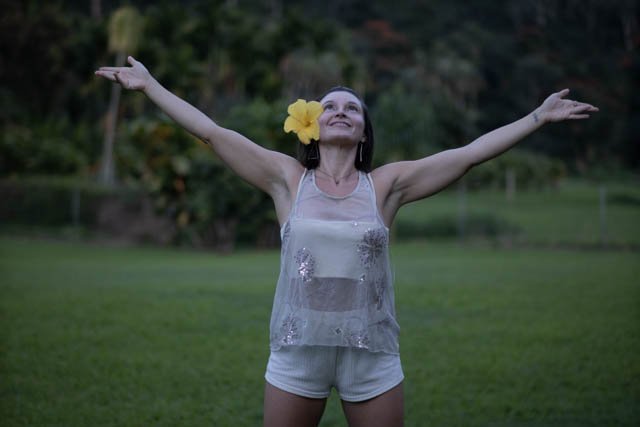
Stand with your feet hip-width apart and begin to gently bounce through your knees, allowing the vibration to travel up through your hips, spine, and arms. Let your jaw relax and your arms hang loose. Continue for 2–5 minutes, letting the movement be effortless and rhythmic. (It’s ok to smile and have fun 😃 ). When you stop, stand still and notice the tingling, warmth, or spaciousness in your body.
2. Body Scanning Meditation
Body scanning is the foundational somatic exercise — the practice of learning to feel your own body from the inside. Without this skill, all other somatic work is limited. I think of it as the literacy practice that makes everything else possible.
Lie down or sit comfortably and close your eyes. Beginning at the soles of your feet, slowly move your attention upward — feet, ankles, calves, knees, thighs, pelvis, belly, chest, hands, arms, shoulders, neck, face, and crown. At each area, simply notice whatever sensation is present: warmth, coolness, tightness, pulsing, or nothing at all. You're not trying to fix or change anything — just making contact with what is. Spend 10–15 minutes working through the full body.
3. Grounding Breath (Lower Dantian Breathing)
In Chinese Medicine, the lower dantian is the energy center located about three finger-widths below the navel. It's the seat of our vital essence — our deep reserves of qi — and also the physiological location of diaphragmatic breathing. When we breathe shallowly into our chests (which most stressed people do), we cut ourselves off from our center. This exercise reconnects us.
Place both hands on your lower belly, just below your navel. As you inhale through your nose, let your belly expand into your hands — not your chest. As you exhale through your mouth, let the belly soften inward. Make the exhale slightly longer than the inhale (try 4 counts in, 6 counts out). Practice for 5–10 minutes. This is one of the most effective somatic exercises for anxiety because it directly activates the vagus nerve and parasympathetic response.
4. Spinal Wave and Undulation
The spine is the highway of the central nervous system, and most of us keep it locked in rigid, habitual postures all day. Spinal undulation is a qigong and somatic movement practice that restores fluidity to the spine and, through it, to the entire nervous system.
Stand or sit upright and begin to let your spine move in a gentle wave — starting with a slight forward tuck of the pelvis, letting the movement ripple upward through your lower back, mid-back, and neck, then reverse the wave back down. Think of seaweed moving in water: continuous, unhurried, with no hard edges. Move slowly enough that you can feel each segment of your spine participating. Continue for 2–3 minutes, breathing naturally throughout.
5. Hip Circles and Pelvic Release
The hips and pelvis are where many people store unprocessed stress and emotion — this is well documented in somatic research and in the Chinese Medicine understanding of the liver and kidney meridians, which both run through the pelvis. Releasing this area has effects that ripple through the entire body and nervous system.
Stand with feet hip-width apart and knees slightly soft. Begin to make large, slow circles with your hips — as if you are slowly stirring something with your pelvis. Move in one direction for 8–10 circles, then reverse. Let your breath be full and unrestricted. If you notice any tightness or resistance in the circle, slow down there and breathe into it rather than moving through it quickly. This is one of the most cathartic somatic exercises for anxiety and stored emotional tension.
6. Heart Opening Chest Expansion
In Chinese Medicine, the heart houses the shen — our spirit and consciousness. The chest and pericardium region are associated with how we give and receive love, how open or guarded we are. Many of us spend our days hunched forward over screens, physically closing off the heart center. This exercise reverses that.
Stand or sit tall. As you inhale, gently draw your shoulder blades together and down, letting your chest open and lift. Let your chin rise slightly and your gaze soften upward. Hold this open position for 2–3 breaths, feeling the expansion through your sternum, collarbones, and front of your shoulders. As you exhale, return to neutral — not to a slumped position, but a relaxed upright one. Repeat 5–8 times. Notice what feelings or sensations arise when you open this area. This is body awareness in action.
7. Kidney Tapping (Chinese Medicine)
Kidney tapping is a qigong self-massage practice used in Chinese Medicine to tonify kidney qi — our foundational life force and the root of our vitality. The kidneys are associated with fear, will, and the depth of our reserves. Tapping the kidney area stimulates circulation, warms the lower back, and in TCM understanding, helps build the deep energy that stress and overwork deplete.
Make loose fists with both hands and bring them behind your back to rest on either side of your lumbar spine, just above your pelvis (over the kidney region). Begin to rhythmically tap — not hard, but firmly enough to feel it — alternating your fists in a gentle, steady rhythm. Continue for 1–2 minutes, breathing deeply. You may feel warmth spreading through your lower back. I often teach this as a morning practice to kindle energy for the day ahead.
---
8. Inner Smile Meditation (Mantak Chia Tradition)
The Inner Smile is a Taoist meditation practice brought to the West largely through the work of Mantak Chia. It's one of the gentlest and most surprisingly powerful somatic exercises I teach, and the one my patients are most skeptical of — until they try it.
Close your eyes and bring to mind something that genuinely makes you smile: a person you love, a place that brings you peace, a memory that warms you. Let that feeling of warmth settle into your face and eyes. Then, slowly, guide that smiling energy downward — into your throat, your heart, your lungs, your stomach, your liver, your kidneys, your intestines. Spend a few breaths at each organ, offering it the same warm, smiling attention. This practice builds the kind of body awareness and positive inner relationship that is the foundation of somatic healing. Practice for 10–15 minutes.
9. Yin Yoga Butterfly Pose with Breath Awareness
Yin yoga is a perfect somatic exercise practice because its long holds — 3–5 minutes per posture — give the nervous system time to move through initial resistance and settle into a deeper release. Butterfly pose targets the inner thighs, groin, and hip flexors — areas dense with the liver and kidney meridians — while the breath work makes it deeply somatic.
Sit on the floor and bring the soles of your feet together in front of you, letting your knees fall open. Allow your spine to gently round forward over your feet — not pushing or forcing, just letting gravity do the work. Close your eyes. With each inhale, notice where you feel the stretch. With each exhale, allow your body to settle a few millimeters deeper without effort. Stay for 3–5 minutes, using your breath as the primary tool. When you come up, pause for a full minute in stillness before moving. Notice what has shifted.
10. Closing Integration and Stillness Practice
Every somatic healing session needs a closing — a moment to let the nervous system integrate what it has just experienced. This is not optional. It's where the work actually lands in the body. I tell my students: the stillness at the end is half the practice.
After completing any combination of the above exercises, lie down in a comfortable position — on your back with your arms at your sides, or on your belly. Close your eyes. Set a timer for 5–10 minutes and simply do nothing. Let your breath be natural. Let your body be heavy. If thoughts arise, let them pass. Notice any sensations, warmth, pulsing, or shifts in energy without analyzing them. Just feel.
How to Build a Somatic Exercise Practice
You don't need to do all ten of these in a single session. A 20-minute practice using three or four exercises — ending always with the integration practice — will create real, felt change over time. Consistency is what matters.
I also want to name something honestly: somatic exercises can occasionally bring up emotional material that surprises you. If you find yourself feeling unexpectedly tearful, or noticing old feelings surfacing, that's normal and healthy. Your body is processing. You can slow down, return to grounding breath, and if you feel like you need support, that's a good time to reach out for guidance.
If you’re seeking more formal support, I offer acupuncture at a lovely Somatic Therapy office called Flourish in Cary, NC in addition to seeing patients in my private practice - Inner Body Data in Chapel Hill, NC (and Kaua’i in Winters!)
If you want a structured library of guided somatic practices — qigong classes, yin yoga, breathwork, and meditation — my Inner Body Data On Demand Membership is designed exactly for this. You can practice from anywhere, on your own schedule, with me guiding you through the same practices I use in my clinic.
I also post free qigong and yoga videos regularly on my YouTube channel — a good place to start if you want to get a feel for how I teach before committing to a membership.
Start Where You Are
You don't need to wait until you feel ready, or less stressed, or less busy. You can start right now, with whatever five minutes you have.
Your body has been waiting for your attention. It knows how to heal. These practices just help you meet it.
If you're ready to go deeper — whether that means one-on-one support through acupuncture and Chinese medicine, or a structured home practice — I'd love to work with you - Book a consultation, or explore the On Demand Membership (https://www.innerbodydata.com/membership) to find the right starting point.
---
Frequently Asked Questions About Somatic Exercises
How long does it take to see results from somatic exercises?
Most of my patients notice a shift in their nervous system state — a sense of greater calm, groundedness, or body awareness — within the first few sessions. Deeper changes, like reduced chronic anxiety or significant pain relief, typically emerge over weeks to months of consistent practice. In my experience, the people who see the most profound results are those who practice briefly and consistently rather than intensely and sporadically. Even ten minutes a day creates a cumulative effect that is genuinely transformative.
Are somatic exercises the same as somatic therapy?
They are related but different. Somatic therapy is a clinical intervention offered by a licensed therapist trained in approaches like Somatic Experiencing or Sensorimotor Psychotherapy. Somatic exercises are self-directed body-awareness practices — like the ones in this guide — that you can do at home as part of your wellness routine. Many of the practices overlap, and somatic exercises can support and complement therapeutic work. However, if you are working with significant trauma, I would recommend working with both a somatic therapist and a self-practice like the ones described here.
Which somatic exercises are best for anxiety?
For anxiety specifically, I recommend starting with lower dantian breathing (Exercise #3), shaking (Exercise #1), and the body scan (Exercise #2). These three work directly with the nervous system's stress response. The grounding breath activates the vagus nerve and parasympathetic state almost immediately. Shaking helps discharge the physical energy of anxiety — it's doing what your body wants to do anyway when it's in fight-or-flight. And the body scan helps you develop the interoceptive awareness to notice anxiety arising earlier, before it escalates. Practice these three daily for two weeks and see what you notice.
---
Dr. Sinead Corrigan is a Doctor of Acupuncture and Chinese Medicine, Licensed Acupuncturist, Board Certified Herbalist, and somatic movement teacher with 15+ years of teaching experience. She practices in Chapel Hill, NC and Kauai, HI, and offers an [On Demand Membership](https://www.innerbodydata.com/membership) for guided somatic practices you can access from anywhere.
Subscribe to her free [YouTube channel](https://www.youtube.com/@innerbodydatawithsinead) for qigong, yoga, and somatic movement videos, or [book a consultation](https://www.innerbodydata.com) to explore personalized support.
Somatic Healing: How Qigong & Acupuncture create Embodied Awareness
What Is Somatic Healing? A Complete Guide from a Chinese Medicine Doctor
Have you ever described your body as an enemy? Like so many, I myself began my healing journey with the thought, "I just wish I could climb out of my own skin." The desire to be “free” from the way my body looked and felt was so intense. Over 15 years later, I am here to report: your body is not the enemy - it is a deep, wise friend that will allow you to live the most fulfilled and joyful life possible, if only you can learn to listen to it…
Whether you struggle with anxiety, chronic pain, or exhaustion that feels like it has settled into you bones — but what we are all actually feeling is fundamental disconnection from our body, and our deepest self.
That disconnection is something I see in nearly every patient I work with. And it's exactly what somatic healing is designed to repair.
After 15+ years of studying and practicing Yoga, Qigong, and meditation, 6+ years of doctoral studies in Traditional Chinese Medicine, and 5+ years in clinical practice sitting with hundreds of patients in my clinics in North Carolina and Kauai, I've come to believe something simple and maybe a little radical: your body is not your problem. Your body is your greatest resource — if you know how to listen to it.
That belief is the foundation of everything I do at Inner Body Data. And somatic healing is one of the most powerful frameworks I use to help people come home to themselves.
What Is Somatic Healing?
The word "somatic" comes from the Greek soma, meaning body. Somatic healing, at its most basic, is any healing approach that works through the body — not around it or despite it.
In conventional medical and psychological models, healing is often treated as a cognitive process. Talk therapy asks you to understand your experiences intellectually. Many medications suppress symptoms in the body. Even well-meaning wellness advice tends to target the mind: think positive, reframe your thoughts, practice gratitude.
Somatic healing does something different. It recognizes that your nervous system, your muscles, your fascia, your breath — your entire physical body — holds the record of your experiences. Stress, trauma, grief, joy, and aliveness all live in your tissues, not just your thoughts.
Somatic healing uses body-centered practices — movement, breathwork, touch, awareness, and stillness — to help the nervous system regulate itself, release held tension, and restore a sense of safety and wholeness.
Common somatic healing modalities include:
- Somatic Experiencing (developed by Peter Levine)
- Somatic exercises such as shaking, grounding, and breath practices
- Movement-based practices like qigong, yoga, and dance
- Bodywork including massage, acupuncture, and craniosacral therapy
- Body scanning and interoceptive awareness practices
What they all share is a respect for the body's own intelligence — what I think of as body wisdom.
How Traditional Chinese Medicine and Somatic Healing Connect
This is where my background as a Doctor of Acupuncture and Chinese Medicine gives me a perspective I think is genuinely unique.
People sometimes assume TCM is about needles and herbs — a mechanical intervention you receive from a practitioner. But that misses the depth of the tradition. Classical Chinese Medicine is, at its core, a somatic medicine. It has always understood the body as an intelligent, self-regulating system whose physical symptoms are meaningful communication.
In TCM, every organ system has an associated emotion. The liver holds anger and creative vision. The kidneys store our deepest reserves of vitality — and fear. The heart houses shen, our spirit and consciousness. When those organ systems are out of balance, we feel it emotionally as well as physically. And when we carry unprocessed emotions, we feel them in our bodies.
This is not metaphor. This is the clinical reality I observe every single day.
When I needle acupuncture points, I'm not just addressing a physical symptom. I'm working with the body's energetic and nervous system architecture to help it reorganize toward health. The meridians — the channels through which qi flows in TCM — map closely onto the fascial and nervous system pathways that modern somatic researchers are now studying. The traditions converge.
I use somatic exercises as an integral part of my treatment approach, alongside acupuncture and herbal medicine. Qigong — the ancient Chinese healing movement practice — is one of the most sophisticated somatic healing tools I know. It cultivates body awareness, regulates the breath, moves qi through the meridians, and teaches you to feel your own inner landscape. Yin yoga works similarly, using long-held postures to access the deep connective tissue layers where stress and old emotions tend to live.
The thread running through both TCM and somatic healing is this: the body knows how to heal itself when given the right conditions. Our job — as practitioners and as people practicing at home — is to create those conditions.
The Benefits of Somatic Healing
I want to speak to this honestly rather than just list claims. What I observe clinically, and what the emerging research supports, is that regular somatic practice changes the relationship people have with themselves. From that shift, a lot becomes possible.
The most consistent thing I see is nervous system regulation. Most people who come to see me are living in some version of chronic fight-or-flight — not because anything is acutely wrong, but because the baseline has crept up over years. Somatic practices, especially breath-based and movement-based ones, directly activate the parasympathetic nervous system and move people out of that survival state into one where the body can actually restore itself.
Reduced anxiety usually follows. When the nervous system learns to feel safe in the body, anxiety loosens its grip — not through positive thinking, but through rewiring the physiological response at the tissue level. This is one of the most documented benefits of somatic healing and one of the clearest.
I also see significant trauma release and integration. Bessel van der Kolk famously wrote that "the body keeps the score." Somatic healing creates pathways for the body to complete stress responses that were interrupted — to finally put down what it's been carrying.
The benefit I care about most, though, is deeper body awareness and intuition. When you learn to feel the subtle signals of tiredness, hunger, joy, dread — you gain access to a form of information that can genuinely guide your life. I think of this kind of body literacy as preventative medicine. Not a metaphor. An actual clinical tool.
Many of my patients with chronic pain have also found real relief through combining acupuncture with somatic movement. Pain is often a signal, not just a symptom, and somatic work helps us hear and respond to it rather than suppress it. Improved sleep, digestion, and overall vitality tend to come as downstream effects — the natural result of a nervous system that's learned it's safe.
How to Start a Somatic Healing Practice
When patients ask where to begin, I always say the same thing: start with noticing. Before you add anything to your life, just start paying attention to what's already happening in your body.
When you wake up in the morning, pause for thirty seconds before reaching for your phone. What do you feel? Where is there tension? What is the quality of your energy? That's the beginning of body literacy, and it costs you nothing.
From there, add the simplest things first. Breath is the most accessible somatic practice there is — even five slow, deep breaths with your hands on your belly will shift your nervous system. Begin there, not with a 30-minute routine.
Gentle movement comes next. Slow spinal movements, shaking, joint circles — none of this needs to be complicated. I have free qigong and yoga videos on my YouTube channel if you want a guided place to start.
Once a day, spend five minutes scanning your body from feet to crown. Not to fix anything — just to feel. Notice sensation without judgment. Over time this practice alone shifts something real.
The most important variable is consistency, not intensity. Ten minutes every day will do more than an hour on the weekend. Build the habit before you build the depth.
And if somatic work starts surfacing things you didn't expect — old feelings, unexpected emotion — know that this is normal. It can also be a signal that you'd benefit from some support. Acupuncture, herbal medicine, and structured movement programs can all help deepen the process.
If you're looking for a guided path, my On Demand Membership at InnerBodyData includes qigong classes, yin yoga, breathwork, and somatic movement practices you can access from anywhere — designed for exactly this kind of daily, sustainable practice.
Somatic Healing Is Not a Trend — It's Ancient Wisdom
I have mixed feelings about somatic healing becoming a wellness buzzword. More people discovering these practices is genuinely good. But I want to be clear about something: the principles behind somatic healing are thousands of years old. Every ancient medicine tradition — Chinese medicine, Ayurveda, indigenous healing practices — understood that body and mind are not separate, that healing happens through the body, not despite it, and that the body's signals are trustworthy.
What we're doing now is recovering wisdom that got lost somewhere in a culture that decided rationality mattered and sensation didn't.
If you're new to somatic healing, you're not learning something novel. You're remembering something essential.
Frequently Asked Questions About Somatic Healing
What is the difference between somatic healing and somatic therapy?
Somatic therapy typically refers to a clinical therapeutic modality offered by a trained therapist, such as Somatic Experiencing or Sensorimotor Psychotherapy. Somatic healing is a broader term that encompasses self-directed practices, movement, breathwork, and body-centered approaches used both in clinical settings and at home. Many of the somatic exercises I teach in my classes and membership are things you practice independently — no appointment needed. [If you are seeking Somatic therapy, please use the link at the bottom of this webpage - I offer acupuncture at a somatic therapy practice in Cary, NC and can refer you directly to the therapists there]
Can somatic healing help with anxiety?
Yes, and this is one of the areas where I see the most consistent results in my practice. Anxiety lives in the nervous system, which means it has a physical address — and body-based practices can reach it directly. Breathwork, grounding exercises, gentle qigong movements, and body scanning all help regulate the nervous system and reduce the physiological experience of anxiety. Somatic healing doesn't replace therapy or medical care, but it is a genuinely powerful complementary tool.
How does Traditional Chinese Medicine relate to somatic healing?
TCM has always been a somatic medicine — it reads the body's signals (pulse, tongue, patterns of pain, emotional symptoms) to understand the whole person and support healing. Acupuncture works directly through the body's tissue and nervous system. Qigong, which originated within TCM, is one of the oldest somatic movement systems in the world. When I work with patients, I draw on both frameworks because together they offer a depth that neither provides alone.
Dr. Sinead Corrigan is a Doctor of Acupuncture and Chinese Medicine, Licensed Acupuncturist, Board Certified Herbalist, and somatic movement teacher based in Chapel Hill, NC , Kauai, HI, and (soon!) Miami, FL. She offers in-person appointments and has a YouTube channel and an On Demand Membership for those who want to begin to explore guided somatic practices at home.
Ready to begin and seeking one-on-one support? Book a consultation (Chapel Hill, NC), visit me at the Flourish Center for Somatic Healing (Cary, NC), or explore the On Demand Membership to start your somatic healing practice today.

The Healing Power of Deep Rest: Unveiling Acupuncture's Role
In our fast-paced world, where hustle culture often glorifies constant productivity and busyness, the concept of deep rest might seem elusive or even counterintuitive. However, delving into the realms of relaxation unveils a treasure trove of healing potential that is deeply ingrained in our physiology. From the intricate mechanisms of the relaxation response to the profound effects of modalities like acupuncture, let's contemplate the power of rest.
In our fast-paced world, where hustle culture often glorifies constant productivity and busyness, the concept of deep rest might seem elusive or even counterintuitive. However, delving into the realms of relaxation unveils a treasure trove of healing potential that is deeply ingrained in our physiology. From the intricate mechanisms of the relaxation response to the profound effects of modalities like acupuncture, let's contemplate the power of rest.
The Physiology of Deep Rest
At the core of deep rest lies the “relaxation response”. When activated, this physiological state induces a cascade of beneficial effects throughout the body and mind. One of the key players in this process is the parasympathetic nervous system, often dubbed the "rest and digest" system.
Activation of the parasympathetic nervous system prompts various physiological changes, including decreased heart rate, relaxed muscles, improved digestion, and enhanced immune function. Moreover, deep rest is associated with reduced levels of stress hormones such as cortisol and adrenaline, fostering a sense of calmness and tranquility.
The Self Healing Power of Rest
Embracing deep rest as a regular practice can yield a myriad of benefits for both physical and mental well-being. Chronic stress has been linked to a host of health issues, including cardiovascular diseases, weakened immune function, and mood disorders. By counteracting the detrimental effects of stress by regularly “practicing relaxation”serves as a potent tool for promoting overall health and resilience.
Rest facilitates the body's natural healing processes. During periods of rest, the body allocates resources towards repair and regeneration, allowing tissues to heal and rejuvenate. It also improves our digestive capacity, thus strengthening our ability to extract nutrients from our food that are vital for numerous cellular processes. This not only accelerates recovery from injuries, but also fosters longevity and vitality.
Why Rest?
At times, we need logic to remind ourselves of innate, intuitive wisdom. In a culture where “more is more”, we’ve lost the sacred pleasure of enjoying what Is. When we are reminded of the anti-inflammatory and mood-boosting benefits of rest, we may have a resurgence of respect for this simple yet powerful act. However, what if logic is not enough? We may need deeper, stronger encouragement to move beyond the fear of “falling behind”. The wisdom of ancient cultures and eastern philosophies reminds us of the nature of existence…
According to the YinYang Theory of Eastern medicine, our bodies, and all of existence, operate on a principle of opposites - Yin: resting, receiving; and Yang: movement, action. We may often feel like we are forcing ourselves to do things - our jobs, our social obligations, our exercise, our food habits, and so much more. This is ultimately not effective, nor satisfying. One of the reasons that rest, or “Yin Time”, as I like to call it, can be so powerfully clarifying is because we are no longer controlling what comes next. When we rest, we enter a state of allowing. We enter the realm of the unknown. In deep rest, we do not know what is next. In fact, there is no “next” - there is simply the ever-present ebb and flow of sensations and perceptions, falling away as fast as they’ve arisen.
In my 15+ years of teaching yoga, qigong, and treating acupuncture patients, I’ve come to realize there is really only one thing I am doing to guide someone, and myself, out of pain, dissatisfaction, and craving: I guide people deep into their present moment experience. I guide people to rest deeply within what is arising in the now. I utilize the “inner body” as a container for transformation of the psyche. In this place of letting go on a visceral level, of acknowledging and allowing the wisdom of the Yin force to return to the body, all extraneous tasks, worries, and conflicts naturally dissolve. And on the other side of that dissolution - pure Yang energy, bursting forth into creation from the deep well of peace, silence, stillness, and acceptance. With rest, taking action becomes effortless.
Acupuncture: A Path to Deep Rest
Acupuncture, an ancient healing art rooted in traditional Chinese medicine, offers a unique pathway to deep rest and relaxation. This therapeutic modality involves the insertion of thin needles into specific points on the body, aiming to rebalance the flow of vital energy known as “Qi” (pronounced “Chee”).
*Research suggests that acupuncture elicits profound physiological responses conducive to deep rest. Studies have shown that acupuncture stimulates the release of endorphins, neurotransmitters that induce feelings of relaxation and well-being. Additionally, acupuncture has been found to regulate the autonomic nervous system, promoting a shift towards parasympathetic dominance and facilitating deep relaxation.
**Furthermore, acupuncture may help alleviate conditions such as anxiety, insomnia, and chronic pain, which often hinder the ability to attain deep rest. By addressing underlying imbalances and promoting physiological shifts, acupuncture unlocks the body’s ability to enter its natural self-healing state.
Embracing the Art of Rest
In a society driven by the relentless pursuit of productivity, the art of deep rest serves as a gentle reminder of the importance of slowing down and nurturing oneself. Whether through mindfulness practices, like yoga, qigong, & meditation, or therapeutic modalities like acupuncture, carving out moments of rest amidst the chaos is essential for fostering resilience and well-being.
As we navigate the complexities of modern life, let us honor the innate wisdom of our bodies and embrace the healing power of deep rest. By prioritizing relaxation and restoration, we pave the way for a life imbued with vitality, balance, and profound well-being.
To experience acupuncture with Dr. Sinéad Corrigan, book here.
Dr. Corrigan is also available for reiki appointments - book here.
To schedule a private yoga, qigong, or somatic dance lesson, book here.
*List of articles discussing the role of acupuncture in inducing the relaxation response to help alleviate various health conditions
**List of articles discussing the role of acupuncture in alleviating anxiety, insomnia, and chronic pain

Does Acupuncture Work? Placebo, Nocebo, & The Power of Perception
Exploring the Power of Perception: Understanding the Placebo and Nocebo Effects in Acupuncture
In the realm of alternative medicine, the mind-body connection plays a pivotal role in shaping our experiences of health and wellness. Central to this interplay are the placebo and nocebo effects, phenomena that underscore the profound influence of perception on our physiological responses. As we delve into the world of acupuncture, it becomes imperative to understand the distinction between these two effects and their implications for the effectiveness of acupuncture treatments.
Understanding the Placebo and Nocebo Effects
The placebo effect refers to the phenomenon wherein a patient experiences a positive therapeutic outcome solely due to their belief in the efficacy of a treatment, regardless of its actual physiological impact. Conversely, the nocebo effect occurs when negative expectations or beliefs lead to adverse outcomes or side effects, even in the absence of any active treatment.
Here are some research studies that shed light on the placebo effect and its influence on acupuncture, as well as measured physiological responses to acupuncture in comparison with conventional medical treatments:
1. Vickers et al. (2012): In this study published in the Archives of Internal Medicine, researchers conducted a meta-analysis of acupuncture trials involving chronic pain. They compared acupuncture with sham acupuncture and standard care alone. The results indicated that acupuncture was significantly more effective than sham acupuncture for treating chronic pain, suggesting that acupuncture's effects extend beyond placebo. However, the difference between acupuncture and sham acupuncture was modest, indicating that placebo effects may still contribute to acupuncture's efficacy.
2. Linde et al. (2010): This meta-analysis, published in the Cochrane Database of Systematic Reviews, examined the efficacy of acupuncture for migraine prophylaxis. The researchers compared acupuncture with sham acupuncture and found a small but statistically significant difference favoring acupuncture over sham acupuncture. While the authors acknowledged the potential role of placebo effects, they concluded that acupuncture appears to be more than just a placebo for migraine prevention.
3. Yuzhu et al. (2024): In this study titled "Acupuncture-related Therapy for Knee Osteoarthritis: A Narrative Review", the review examines various aspects of acupuncture treatment for knee OA, including its mechanisms of action, clinical efficacy, safety profile, and comparison with conventional treatments. The authors discuss the physiological mechanisms through which acupuncture exerts its therapeutic effects in knee OA, such as modulating inflammatory mediators, promoting tissue repair, and modulating pain perception through the central nervous system. The review evaluates the clinical evidence supporting the efficacy of acupuncture for knee OA based on randomized controlled trials (RCTs) and systematic reviews. It highlights findings indicating that acupuncture can provide significant pain relief, improve physical function, and enhance quality of life in patients with knee OA. Further, the review compares the effectiveness of acupuncture with conventional treatments for knee OA, such as nonsteroidal anti-inflammatory drugs (NSAIDs), corticosteroid injections, and physical therapy. It highlights studies suggesting that acupuncture may offer comparable or superior outcomes to conventional treatments, with fewer side effects and a more favorable risk-benefit profile. Overall, the review provides valuable insights into the role of acupuncture-related therapy as a viable treatment option for knee osteoarthritis, offering clinicians and patients a deeper understanding of its potential mechanisms of action with clear objective measurements and comparisons with conventional treatments.
These studies provide valuable insights into the complex interplay between acupuncture, placebo effects, and therapeutic outcomes. While acupuncture's efficacy appears to extend beyond placebo effects in many cases, the precise mechanisms underlying its therapeutic effects remain a topic of ongoing research and debate.
The Role of Belief in Acupuncture
In the context of acupuncture, skepticism often arises regarding its efficacy, with some attributing its effects solely to the placebo response. However, proponents of acupuncture argue that its benefits extend beyond mere belief, rooted in the intricate interplay of neurophysiological mechanisms and the body's innate healing capacities.
Acupuncture works by stimulating specific points on the body, known as acupuncture points or acupoints, to regulate the flow of Qi (pronounced "chee"), or vital energy, along meridians or pathways. While the concept of Qi may seem abstract from a Western perspective, modern research has elucidated the physiological mechanisms underlying acupuncture's effects, including the release of endogenous opioids, modulation of neurotransmitters, and regulation of inflammatory pathways.
Contrary to the notion that acupuncture's efficacy hinges solely on belief, studies have shown that acupuncture can elicit measurable physiological changes, such as increased blood flow, reduced inflammation, and altered brain activity, irrespective of the patient's beliefs or expectations. This suggests that acupuncture exerts tangible effects on the body's regulatory systems, independent of psychological factors alone.
The Healer & The Healed
Dr. Ted Kaptchuk, a renowned expert in the field of placebo studies and author of “The Web That Has No Weaver: Understanding Chinese Medicine” , practiced acupuncture for over half his adult life. However, he stopped giving the treatment due to powerful encounters he had with patients that made him reconsider - is it the acupuncture that creates sudden healing miracles? Or is it the connection to the healer? …
Dr. Kaptchuk performed a study whereby patients were openly told they were given placebo, however, one group was informed that there were numerous studies indicating “the power and efficacy of the placebo effect”, whereas the other group was simply given the placebo and told it was a placebo, with no additional information. “Patients who received the openly distributed placebo scored far better on standard assessments of their condition than those who received nothing. There were also statistically significant differences in the severity of symptoms. Although a group of eighty patients is too small to draw definitive conclusions, honesty seemed to work” (Specter, 2011). While this is just one of numerous examples, what Dr. Kaptchuk continues to be a proponent of this the mere fact that the mind seem capable of playing a role in healing at all, even if the mechanism is unknown.
Dr. Kaptchuck was interviewed by The New Yorker in 2011. In this interview, author Michael Specter summarized one of the first studies to show a proposed mechanism for the placebo effect:
“In 1978, three scientists from the University of California at San Francisco—Jon Levine, Newton Gordon, and Howard Fields—decided to investigate whether endorphins might explain why patients who received placebos often reported a significant reduction in pain. People recovering from dental surgery were told that they were about to receive a dose of morphine, saline, or a drug that might increase their pain. By then, researchers had learned not only about the nocebo effect but that a suggestion of relief will often trigger the production of endorphins, so they were not surprised that patients receiving saline reported reduced pain.“
According to Kaptchuk, this was a groundbreaking study. It points out that it is the mere fact that the mind is able to exert any mechanism at all that makes the placebo effect powerful, rather than null. In this same interview, he further elaborates on his experience of the powerful role that healer-to-patient connection can shape the therapeutic response, challenging conventional notions of efficacy based solely on pharmacological mechanisms or belief alone.
So, is it the physiological effects of acupuncture that creates the healing? Is it the mind? Is it the connection of the healer and the patient? Is it the healer’s ability to remain at a “zero point”, or non-judgemental presence, allowing for the patient’s mind to take on a new pattern of thinking, and thus feeling, and thus biochemical change?
An Anecdote
At the beginning of my doctoral studies in acupuncture, I was dating a man who was in a physics graduate program. One of his classmates was a lovely woman from China. When I told her I was studying Chinese Medicine, she remarked to me, “Many people in modern China no longer believe in certain forms of alternative medicine. One master healer told me, ‘Some people’s minds are so strong that the simple treatments no longer have an effect; their mind is stronger than the technique’.” And yet, she herself still received acupuncture for health and wellness. She was a very intelligent woman with a powerful mind (as many physicists tend to have!) - yet she was open to receive a treatment that she believed could be “blocked” from working in the minds of some. I was so intrigued by her story. It stays with me to this day as I realize that the space that I create as a healer is simply that - a space. I have my intention, and the patient has their’s. What happens from there? Ideally, an opportunity to educate, grow, heal, and blossom in the space that we’ve created together.
Conclusion
In the intricate tapestry of healing, the placebo and nocebo effects serve as poignant reminders of the profound influence of perception on our health outcomes. While these phenomena underscore the importance of belief and expectation in shaping our experiences of treatment, they do not diminish the legitimacy or efficacy of acupuncture as a therapeutic modality. Grounded in ancient wisdom and supported by modern research, acupuncture appears to offers a multifaceted approach to healing that transcends the boundaries of belief, tapping into the body's innate capacity for self-regulation and restoration. And yet we must ask ourselves - is acupuncture simply a ritual through which the mind can suspend or assume a belief, by which self-healing can occur? Or is it the healer themselves who allows for this space of transcendence and transformation?
As we continue to unravel the mysteries of mind-body medicine, acupuncture stands as a testament to the enduring power of holistic healing in our quest for optimal health and well-being.
Book here to experience acupuncture with Dr. Sinéad, LAc, DACM

Dry Needling
In this blog post, we delve into the intricacies of dry needling, explore its key differentiators from acupuncture, and highlight the unique perspective that acupuncturists bring to this practice.
Exploring Dry Needling: Understanding Its Benefits, Contraindications, and the Expertise of Acupuncturists
In recent years, alternative therapies have gained popularity as people seek holistic approaches to manage pain and enhance their well-being. Dry needling is one such technique that has emerged as a promising option for those seeking relief from musculoskeletal issues. Navigating the landscape of dry needling requires an understanding of its fundamentals and the expertise required for its application. In this blog post, we delve into the intricacies of dry needling, explore its key differentiators from acupuncture, and highlight the unique perspective that acupuncturists bring to this practice.
What is Dry Needling?
Dry needling is a technique used to treat musculoskeletal pain and dysfunction. Unlike acupuncture, which is rooted in traditional Chinese medicine, dry needling is based on modern anatomical and neurophysiological principles. During a dry needling session, fine needles are inserted into specific trigger points within muscles, tendons, ligaments, or near nerves to stimulate healing and alleviate pain. The term "dry" distinguishes it from "wet" needling, which involves injecting substances such as saline or anesthetics into the body.
Contraindications of Dry Needling:
While dry needling can be highly effective for many individuals, it's crucial to recognize that certain contraindications and precautions exist. Some common contraindications include:
1. Bleeding Disorders: Individuals with bleeding disorders or those taking anticoagulant medications may be at increased risk of bleeding or bruising at the needle insertion sites.
2. Skin Infections or Lesions: Active skin infections or lesions at the needling sites can increase the risk of introducing pathogens into the body, potentially leading to further complications.
3. Pregnancy: While there's limited research on the effects of dry needling during pregnancy, it's generally advisable to avoid invasive procedures unless deemed necessary by a healthcare professional.
4. Severe Needle Phobia: Individuals with severe needle phobia may experience heightened anxiety or distress during dry needling sessions, which could interfere with the effectiveness of the treatment.
It's important for practitioners to conduct a thorough assessment and obtain a comprehensive medical history from patients to identify any contraindications or factors that may affect the safety and efficacy of dry needling.
Difference Between Dry Needling and Acupuncture
One of the most common misconceptions is the interchangeable use of the terms dry needling and acupuncture. While both techniques involve the insertion of fine needles into the body, they differ significantly in their underlying principles and therapeutic goals.
Acupuncture, originating from traditional Chinese medicine, aims to restore the flow of Qi (pronounced "chee"), or vital energy, along meridians or pathways in the body. By stimulating specific acupuncture points, practitioners seek to rebalance the body's energy and promote self-healing. Further, acupuncturists are extensively trained to understand the ways in which emotions can be “held in the body”, and may be triggered to release during a musculoskeletal treatment.
In contrast, dry needling targets myofascial trigger points, which are hyperirritable spots within taut bands of skeletal muscle. The goal is to release muscle tension, improve blood flow, and alleviate pain by directly addressing muscular dysfunction and neurogenic inflammation.
Why Choose an Acupuncturist for Dry Needling?
While dry needling is often performed by physical therapists, chiropractors, or medical doctors, seeking treatment from a licensed acupuncturist offers distinct advantages. Acupuncturists undergo extensive training in traditional Chinese medicine, which encompasses a deep understanding of needling techniques, meridian pathways, acupuncture points able to affect non-local areas of pain via a variety of mechanisms (some of which require no muscular stimulation to relieve pain), and an overall holistic approach to health and wellness.
Acupuncturists undergo a minimum of 6 semesters of classes in needling techniques alone, whereas a physical therapist or MD will undergo only a few weeks of training in needling technique.
Acupuncturists possess a unique perspective that integrates the principles of traditional Chinese medicine with modern evidence-based practices. Their comprehensive training enables them to not only perform dry needling safely and effectively, but also to tailor treatments to address underlying imbalances in the body's energy system.
Furthermore, acupuncturists emphasize the importance of individualized care and holistic healing, taking into account the interconnectedness of physical, emotional, and spiritual aspects of health. The first “step” before insertion of any needle is a beautiful concept known in Chinese as “Ding Shen” - “Calm Spirit”. The meaning of this phrase is to ensure that the patient feels safe, supported, and informed of the potential emotional release that needling can induce prior to their physical treatment. This ensures that any release performed on a physical level is grounded in an awareness of the deeper mind-body-emotional connection.
By choosing an acupuncturist for dry needling, patients can benefit from a personalized approach that addresses their specific needs and promotes overall well-being. The deeper examination of “where tension is coming from” allows for the patient to potentially make more long-term, long-lasting changes to their life outside the treatment space. As the body opens, so too does the mind, the emotional body, and the awareness of the relationship between them.
In Conclusion
Dry needling offers a promising therapeutic option for individuals seeking relief from musculoskeletal pain and dysfunction. Understanding its principles, potential contraindications, and the expertise of practitioners is essential for making informed decisions about its utilization. While dry needling and acupuncture share similarities in their use of needles, they differ in their underlying philosophies and therapeutic approaches. Choosing an acupuncturist for dry needling not only ensures safe and effective treatment, but also provides a holistic perspective that prioritizes the integration of mind, body, and spirit in the journey toward wellness.
Book here to try Dry Needling at the Inner Body Data™ Community Acupuncture Clinic with Dr. Sinéad Corrigan, LAc, DACM
Auricular (Ear) Acupuncture
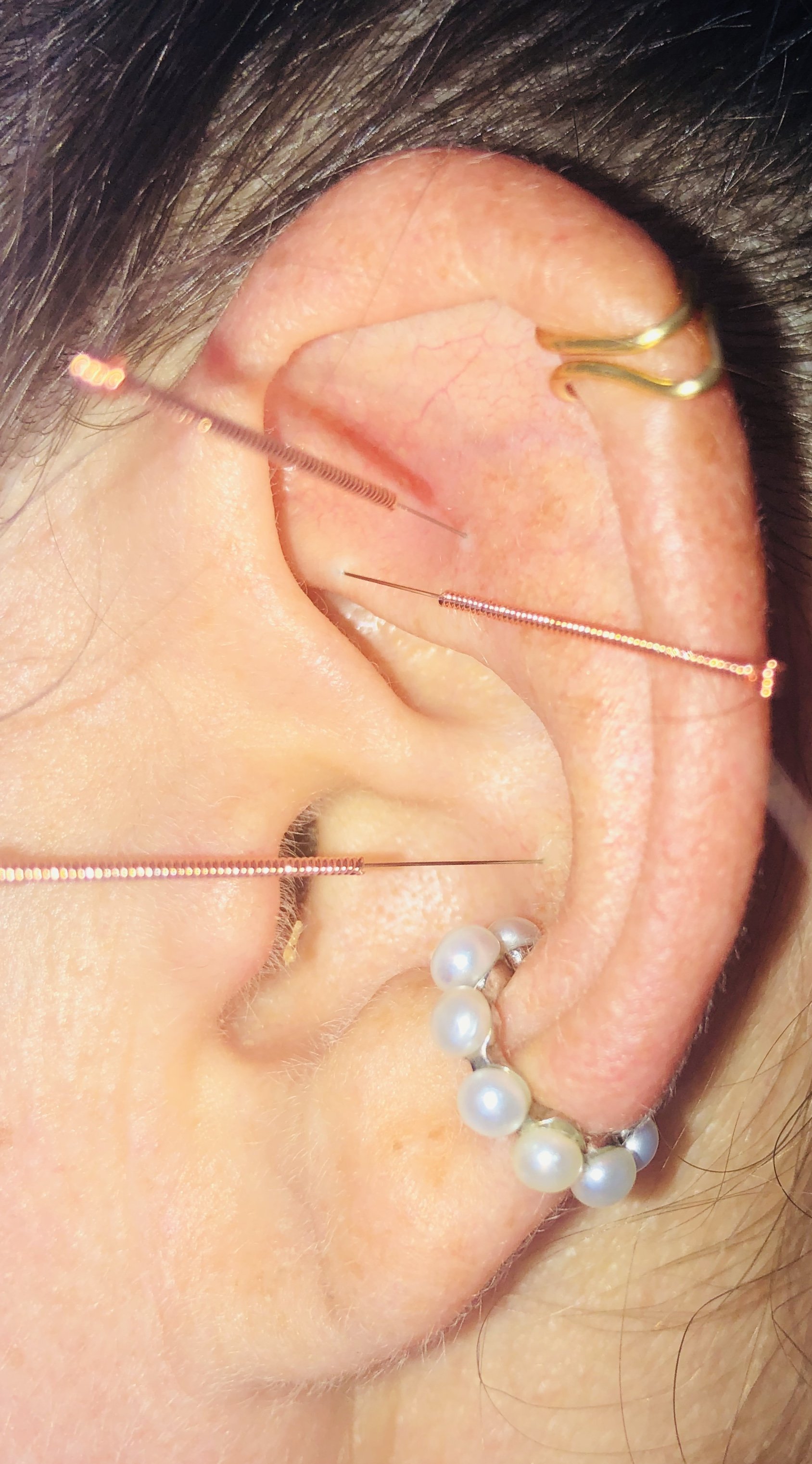
Auricular acupuncture, also known as ear acupuncture, has gained recognition for its many therapeutic benefits. Let's delve into the definition, usages, health benefits, and cautions surrounding this style of acupuncture.
Exploring the Healing Power of Auricular Acupuncture in Traditional Chinese Medicine
In the realm of holistic healing, Traditional Chinese Medicine (TCM) stands out for its intricate understanding of the human body's interconnectedness and its emphasis on natural remedies. Among its myriad techniques, auricular acupuncture, also known as ear acupuncture, has gained recognition for its many therapeutic benefits. Let's delve into the definition, usages, health benefits, and cautions surrounding this style of acupuncture.
Understanding Auricular Acupuncture
Auricular acupuncture is a specialized form of acupuncture that involves stimulating specific points on the ear to promote healing and balance within the body. According to TCM principles, the ear is a microsystem that reflects the entire body, with each part of the ear corresponding to a specific organ or system. By targeting these points, practitioners aim to address a wide range of physical, emotional, and mental imbalances.
Usages of Auricular Acupuncture:
1. Pain Management: Auricular acupuncture is frequently used to alleviate various types of pain, including chronic pain, migraines, PMS, and musculoskeletal discomfort.
2. Stress Reduction: By targeting points associated with the nervous system, auricular acupuncture can help induce relaxation, reduce stress, and improve overall well-being.
3. Addiction Treatment: One of the most well-known applications of auricular acupuncture is in addiction recovery. It is often used as part of a comprehensive treatment program to help individuals overcome substance dependence and manage cravings.
4. Digestive Health: Stimulating specific points on the ear can support digestive function, alleviate symptoms of gastrointestinal disorders, and promote better nutrient absorption.
Health Benefits of Auricular Acupuncture:
1. Holistic Healing: Auricular acupuncture addresses the root causes of health issues by restoring balance to the body's energy flow (Qi) and promoting self-healing mechanisms.
2. Non-Invasive: Unlike some conventional medical treatments, auricular acupuncture is non-invasive and generally free from side effects when performed by a trained acupuncturist.
3. Complementary Therapy: It can be used alongside other conventional or modern therapies including chemotherapy and psychotherapy to enhance their effectiveness and promote overall health and wellness.
4. Individualized Treatment: Each person's health concerns are unique, allowing for personalized treatment plans tailored to their specific needs.
Cautions and Considerations:
While auricular acupuncture is generally safe and well-tolerated, there are a few considerations to keep in mind:
1. Professional Guidance: It's essential to seek treatment from a qualified and experienced acupuncturist who can assess your individual health needs and provide appropriate care.
2. Potential Risks: Although rare, auricular acupuncture may carry some risks, such as infection or discomfort at the insertion sites. These risks can be minimized by ensuring proper hygiene and using sterile needles.
3. Pregnancy and Certain Medical Conditions: Some individuals, such as pregnant women or those with bleeding disorders, may need to exercise caution or avoid auricular acupuncture altogether. It's crucial to consult with a healthcare provider before undergoing treatment.
4. Psychological Effects: Auricular acupuncture can sometimes evoke emotional responses or trigger memories. Practitioners should be prepared to provide support and guidance if necessary.
In summary, auricular acupuncture offers a holistic approach to health and healing, drawing on centuries of wisdom from Traditional Chinese Medicine. Its versatility, effectiveness, and gentle nature make it a valuable tool for promoting well-being and addressing a wide range of health concerns. By understanding its principles, potential benefits, and precautions, individuals can make informed decisions about incorporating this ancient practice into their wellness journey.
Book here for an auricular (ear) acupuncture session at the Inner Body Data™ Community Clinic.

Cupping Therapy
In this article, learn the basics of cupping therapy, exploring its diverse applications, potential benefits, and important contraindications.
Exploring the Ancient Art of Cupping Therapy: Uses, Benefits, and Contraindications
In the realm of traditional Chinese medicine (TCM), cupping therapy stands out as a time-honored practice that has captivated the curiosity of many in recent years with its usage for speeding the recovery time of Olympic athletes. Dating back thousands of years, cupping therapy has traversed cultures and continents, leaving behind a legacy of healing and rejuvenation. In this article, learn more about cupping therapy, exploring its diverse applications, potential benefits, and important considerations.
What is Cupping Therapy?
Cupping therapy involves placing cups on the skin and creating a vacuum or suction to draw blood to the surface of the skin. Traditionally, practitioners used glass or bamboo cups heated with fire to create suction. However, modern techniques may utilize silicone cups with a pump to create suction.
There are two primary methods of cupping therapy:
1. **Dry Cupping**: Involves creating a vacuum within the cups to draw the skin upwards. This technique is often used to address musculoskeletal issues, such as muscle tension and pain.
2. **Wet Cupping**: Involves creating small incisions on the skin before applying the cups to draw out blood. This method is believed to remove toxins from the body and promote detoxification.
The Benefits of Cupping Therapy:
1. Pain Relief:
Cupping therapy is commonly used to alleviate musculoskeletal pain, including back pain, neck pain, and muscle soreness. The suction created by the cups helps to improve blood circulation to the affected area, reducing inflammation and promoting healing.
2. Stress Reduction:
Many individuals turn to cupping therapy as a means of stress relief and relaxation. The gentle pulling action of the cups on the skin can induce a sense of calmness and relaxation, making it an effective adjunct therapy for stress management.
3. Improved Blood Circulation:
By drawing blood to the surface of the skin, cupping therapy can enhance circulation, which is vital for overall health and wellbeing. Improved blood flow delivers oxygen and nutrients to tissues while removing metabolic waste products, aiding in cellular repair and regeneration.
4. Detoxification:
Proponents of cupping therapy believe that it can facilitate the removal of toxins and impurities from the body. Wet cupping, in particular, is thought to purge the body of stagnant blood and harmful substances, promoting detoxification and cleansing.
Considerations and Contraindications:
While cupping therapy offers numerous potential benefits, it's essential to consider certain factors before undergoing treatment:
1. Skin Sensitivity:
Individuals with sensitive skin or a tendency to bruise easily may experience discomfort or bruising following cupping therapy. Practitioners should adjust the intensity of suction based on the patient's skin sensitivity and tolerance.
2. Risk of Burns:
Traditional cupping methods involve heating the cups with fire, which poses a risk of burns if not performed carefully. Modern silicone cups eliminate this risk, but practitioners must still exercise caution to prevent skin irritation or injury.
3. Contraindications:
Cupping therapy may not be suitable for everyone and is contraindicated in certain situations, including:
- Pregnancy: Cupping therapy is generally not recommended during pregnancy, particularly in the abdominal and lower back areas, due to the risk of stimulating uterine contractions.
- Skin Conditions: Individuals with eczema, psoriasis, or other skin conditions may experience exacerbation of symptoms following cupping therapy.
- Bleeding Disorders: People with bleeding disorders or those taking anticoagulant medications should avoid cupping therapy, as it may increase the risk of bleeding and bruising.
Conclusion:
Cupping therapy remains a fascinating and versatile modality within the realm of traditional Chinese medicine, offering a range of potential benefits for physical and emotional wellbeing. From pain relief and stress reduction to improved circulation and detoxification, cupping therapy has garnered widespread interest for its holistic approach to healing.
However, it's essential to approach cupping therapy with caution and awareness of individual contraindications and considerations. By working with qualified practitioners and discussing any health concerns or contraindications, individuals can safely explore the ancient art of cupping therapy as part of their wellness journey.
To try cupping, book a community clinic appointment with Inner Body Data™ today. Cupping may also be added on to any private appointment service, including acupuncture, reiki, & acupressure massage. To book a private appointment, start by signing up for an Initial Consultation with Dr. Sinéad Corrigan, LAc, DACM.

Welcome to Inner Body Balance™: A Preventative Medicine Blog Series
Join Dr. Sinéad Corrigan, Founder of Inner Body Data™ for Inner Body Balance™: A Preventative Medicine Blog.
IN THIS BLOG SERIES, LEARN:
Alternative medicine solutions for health ailments based in Traditional Chinese Medicine.
Integrative medicine principles for holistic wellness based in Functional Medicine.
Somatic tools based in yoga, qigong, and Tibetan Buddhist meditation for creating balance in your daily life.
Paradigm shifting perspectives on the human body-mind, based in ancient Eastern Wisdoms of India, China, and Tibetan traditions.
With greater physical and mental vitality, connect to your highest creativity, and dream your best self to life.
About the Author:
Hello everyone! I’m Sinéad, Doctor of Acupuncture & Chinese Medicine, BA in Preventative Medicine, and a teacher of yoga, qigong, taichi, and dance. In addition to my medical services, I offer ”embodied education” to help you create lasting habit change via the development of self-awareness and self-transformation rituals.
WHAT DO I TREAT?
I utilize Acupuncture, herbal medicine, and personalized movement & meditation routines for health conditions, including:
-DIGESTIVE & METABOLIC DISORDERS
Colitis
Ulcers
Leaky Gut
GERD
IBS/IBD
Diabetes & Prediabetes
Hypertension (High Blood Pressure)
Elevated Cholesterol
-HORMONE DISORDERS:
Menopausal symptoms
Hashimoto’s & Thyroid conditions
Adrenal imbalance
Weight issues
-IMMUNE DISORDERS
Autoimmune conditions
Chronic inflammatory conditions
Seasonal allergies
Food allergies
Fibromyalgia
-EMOTIONAL DISORDERS
Stress
Anxiety
Depression
ADD/ADHD
Insomnia
Addiction control
-SKIN CONDITIONS
Rosacea
Dermatitis
Psoriasis
Eczema
Acne
-COSMETIC TREATMENTS
Surgery free face lifts
Wrinkle reduction
Facial muscle tension reprogramming
-PAIN
Back pain
Neck pain
Neck/shoulder tension
Muscle strain/sprain
Tennis + Golfer’s elbow
Sciatica
Arthritis
Neuropathy
Tendinitis
Frozen Shoulder
Plantar Fasciitis
Migraine/headaches
-GYNECOLOGY & URINARY
PMS & Painful Menses
PCOS
Fibroids
Frequent Urination
Interstitial cystitis
Fertility
Erectile Dysfunction
Porn addiction
PREVENTATIVE/HEALTH-OPTIMIZATION:
Sports performance enhancement
Mental performance enhancement
Natural Beauty techniques, treatments, & routines
WHAT DO I TEACH?
-HATHA YOGA
-VINYASA YOGA
-KUNDALINI YOGA
-QIGONG (Universal Healing Tao)
-TAI CHI (Yang Style)
-MEDITATION (nonDual; visualization based; shamanta)
-DANCE (Various styles focused primarily on sensual expression and grounded hip-movements; my somatic instruction is primarily based in Gaga, a somatic movement language developed by Ohad Naharin)
I utilize all of these modalities in my work with private clients.
Book an appointment for any of the above services here.
I look forward to sharing more education on all of the above in this upcoming “Inner Body Balance: A Preventative Medicine Blog” Series!
Wishing you peace, health, & a long, happy life.
Have a topic request? CONTACT ME at info@innerbodydata.com with the subject line BLOG POST and tell me what you’d like to learn.